How Long Do Gardenia Seeds Take to Germinate? A Full Guide to Planting Methods, Benefits and Effects
Gardenia, also known as Zhi Zi or Huang Zhi Zi, belongs to the order Gentianales, family Rubiaceae. It is an evergreen shrub with luxuriant branches and leaves, foliage that stays green all year round, and fragrant flowers, making it an important ornamental garden plant. So how long do gardenia seeds take to germinate? How do you plant them? What benefits and effects do they have?
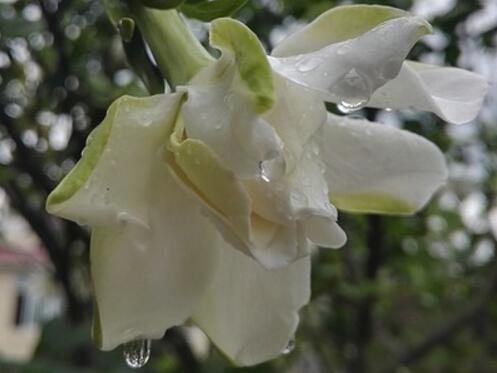
How long do gardenia seeds take to germinate?
Gardenia seeds sprout about 20 days after sowing. Gardenias can be sown in spring or autumn, usually in spring. Spring sowing takes place around the time of Yushui (Rain Water), and autumn sowing around the time of Qiufen (Autumn Equinox); seedlings emerge about 20 days after sowing. After emergence, be sure to remove the covering straw promptly. During the seedling stage, weed frequently, taking care not to damage the seedling roots; after each weeding, apply a dilute solution of human manure and urine. After one year of growing, the seedlings can be transplanted.
How do you plant gardenia seeds?
1. Seed selection:
Choose plump, deep-red ripe fruits and dry them in the sun or in the shade, shells still on, to use as seed. After extracting the seeds, rub them apart in hot water to remove floating seeds and debris, then scoop out the sunken, plump seeds, spread them on a bamboo mat, and leave them in a ventilated place to dry off excess moisture.
2. Land preparation:
Choose a sandy loam with deep, loose, fertile soil. Plow to a depth of 1-1.5 chi, then form raised beds. Apply 20-30 dan of human manure and urine per mu. Once the soil is dry, level the bed surface, and open sowing furrows on the bed surface at a row spacing of 6-7 cun, with furrows about 1 cun deep.
3. Sowing:
Gardenias can be sown in spring or autumn. Spring sowing takes place around Yushui (Rain Water), and autumn sowing around Qiufen (Autumn Equinox). At sowing, mix the seeds with wood ash and sow them evenly in the sowing furrows, then cover the furrows level with fine soil or ash soil, and keep the soil constantly moist to encourage emergence.
4. Raising seedlings:
After sowing gardenias, water frequently to keep the bed surface moist; seedlings emerge in about 20 days. After emergence, remove the covering straw from the bed surface. When the seedlings have grown 2-3 true leaves, thin them out, removing crowded and weak seedlings, and apply appropriate additional fertilizer at the same time.
5. Planting out:
For gardenias sown in autumn, when they have been grown until late autumn or early winter of the following year and the seedlings are more than 30 cm tall, they can be planted out. For spring-sown seedlings, they can be planted out when they reach 30 cm in height the following spring; if they have not reached 30 cm, continue growing them until late autumn or early winter for transplanting.
What benefits and effects does gardenia have?
1. Gardenia is bitter in nature, cold, and non-toxic; it has a faint odor and a slightly sour, bitter taste; it enters the heart, liver, lung, and stomach meridians. Gardenia flowers contain flavonoids such as gardenin, pectin, tannins, crocin, and more. The roots, leaves, and flowers can all be used medicinally, with effects such as sedation, lowering blood pressure, inhibiting bacteria, causing purgation, relieving pain, fighting inflammation, regulating smooth muscle, and accelerating the healing of soft tissue. It has the effects of purging fire and relieving restlessness, reducing inflammation and clearing heat, clearing heat and promoting urination, and cooling the blood and removing toxins.
2. Gardenia is bitter and cold; it can enter the blood aspect and clear pathogenic heat, loosen the intestines and promote bowel movements, and prevent cancer. Gardenia flowers contain cellulose, which can prevent the onset of hemorrhoids and the occurrence of rectal tumors.
3. The roots, leaves, and fruits of gardenia can all be used medicinally, with the effects of purging fire and relieving restlessness, reducing inflammation and clearing heat, clearing heat and promoting urination, and cooling the blood and removing toxins.