What month does purple loosestrife bloom? Planting methods, how to eat it, and its effects and benefits
Purple loosestrife is produced throughout China and is also cultivated; it is distributed in Asia, Europe, Algeria in Africa, North America, and southeastern Australia. It has relatively high edible and medicinal value. So, what month does purple loosestrife bloom? How is it planted? How is it eaten? What effects and benefits does it have?
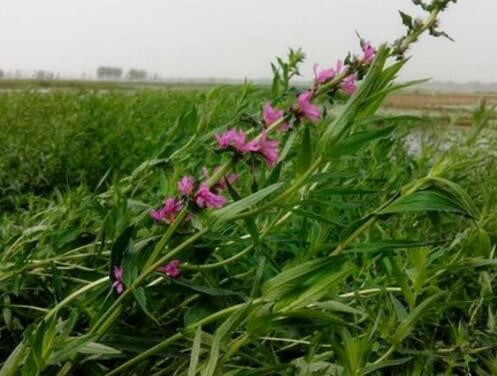
What month does purple loosestrife bloom?
The flowers of purple loosestrife form small cymes, clustered together; because the pedicels and main stalks are extremely short, the whole flowering branch resembles a large spike; the bracts are broadly lanceolate to triangular-ovate, the flowers have 6 petals, and the flower color is mainly red-purple or light purple, oblanceolate-oblong, wedge-shaped at the base, borne on the upper part of the calyx tube, with a short claw, slightly wrinkled, and styles of varying lengths. The flowering period is generally from July to September, making it a plant that blooms for a very long time.
How is purple loosestrife planted?
1. It has no strict requirements for soil, is cold-resistant, and likes light and moisture. Fertile soil is best for cultivation.
2. It can be propagated by sowing, cuttings, division, and other methods. Sowing must be done in wet conditions; cuttings are done from June to July, cutting off new branches and inserting them into muddy water, and they can take root in one month; division is done in spring, digging out old plants, cutting them into several parts, and planting them separately.
3. It can be planted once and harvested for many years. Field management: from after planting until the rows close, cultivate and weed 3-4 times each year. Apply nitrogen fertilizer or compound fertilizer once each in spring and summer, and apply compost or barnyard manure once after autumn, and always keep the soil moist. This is the most critical measure for growing purple loosestrife well.
How is purple loosestrife eaten?
1. Since the 1980s, purple loosestrife has also been used as food. Generally, from April to May, people pick it in the wild, breaking off the tender stems and leaves of purple loosestrife at the easily broken point, washing the fresh vegetable clean, blanching it briefly in boiling water, and then serving it cold, stir-frying it, or making soup with it. Some chop it up and mix it into flour to steam; some use the fresh vegetable in noodles; others use it as a hot pot ingredient, etc.
2. In ancient times, people also made purple loosestrife into dried vegetables to store for winter and spring needs. That is, first blanch the fresh vegetable briefly in boiling water, then dry it in the sun and store it. When eating, rehydrate it with water, and it can be stir-fried or used in soup, also with a distinctive flavor.
What effects and benefits does purple loosestrife have?
1. Purple loosestrife has the effect of clearing heat and cooling blood, and is an excellent vegetable for hot summer. This vegetable is also rich in iron and other components.
2. Cosmetics made by combining purple loosestrife with other ingredients have beauty benefits such as reducing congestion, preventing skin dryness, and preventing external irritation.
3. The whole plant of purple loosestrife is bitter in taste and cold in nature. It has effects such as clearing heat and cooling blood. It can treat dysentery, ulcers, uterine bleeding, and other conditions. It also has antibacterial effects.