How much is a jin of Gentianaceae Qinjiao seeds? Detailed explanation of planting methods and medicinal effects
Qinjiao, also known as: large-leaf gentian, large-leaf Qinjiao, West Qinjiao. It is produced in Mongolia, Russia, and in mainland China's Inner Mongolia, Ningxia, Hebei, Shaanxi, **, Northeast China, Shanxi and other places. It has extremely high medicinal value. So, how much is a jin of Qinjiao seeds? How to plant it? What effects and functions does it have? It is understood that the price of Qinjiao seeds is 150 yuan/kg, with relatively large price differences among different regions.
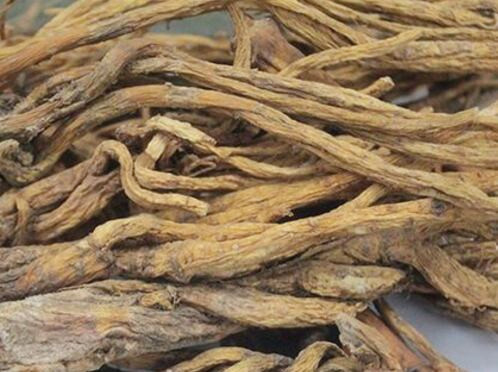
How is Qinjiao planted?
1. Land selection: After Qinjiao seedlings emerge completely, remove the covering, clear weeds, and prevent and control pests and diseases; after growing for 1 year, they can be transplanted. It is advisable to choose a plot with a previous crop of grass-family crops, deep soil layer, good drainage, and easy cultivation, apply 1500-2000 kg/mu of high-quality farmyard manure and 50 kg/mu of superphosphate, and plant after fine land preparation.
2. Transplanting: Qinjiao is planted in furrows from early to mid-October. Plant spacing 15-20 m, row spacing 20-25 cm. Keep 0.09-0.14 million plants/mu. After planting each row, cover with soil and press firm, then continue planting. Spring planting is carried out after the soil thaws. The seedlings must not have exposed buds; after the seedlings expose buds, the survival rate is not high. Therefore, according to local natural conditions, the earlier after the soil thaws, the better.
3. Management: After sowing Qinjiao and before emergence, water frequently to keep the surface soil layer moist. Use 90% trichlorfon or dimethoate 15-fold solution mixed with wheat bran and pile it around the four sides of the seedbed to trap and kill mole crickets. When the seedlings grow to 2 pairs of true leaves, remove about half of the covering; at 4 true leaves, remove all the straw or pine needles again. In dry and high-temperature weather, the covering can be removed later to help preserve soil moisture. Weed in time and keep the field free of weeds. When the temperature is relatively high and a dry soil layer appears below 20 cm of soil, irrigate, preferably by drip irrigation.
4. Disease prevention: The main disease of Qinjiao is leaf spot disease. When affected, brown round or elliptical lesions appear on the leaves. Disinfect seeds before sowing, promptly detect and control diseased plants, and do a good job of field sanitation. In early to mid-June, use 65% mancozeb 400-500-fold solution and spray once every 7-10 days; from mid-June to October, use 300-fold mancozeb solution and spray once every 7 days.
5. Harvesting: Qinjiao is harvested 3-5 years after sowing. Dig it up in autumn when the aboveground part withers. After harvesting, wash it clean with water, dry it until half-dry, cut off the rhizome head, then dry it until completely dry. Fried Qinjiao is made by placing Qinjiao slices in a frying pan, heating over gentle fire, and frying until the surface of the slices has slight scorch marks; then take them out and spread them to cool.
What effects and functions does Qinjiao have?
1. Dispels wind-dampness, clears damp-heat, and relieves painful obstruction. Used for tendon and vessel contracture, bone and joint aching pain, afternoon tidal fever, and infantile malnutrition fever.
2. Qinjiao is one of the main drugs for treating rheumatic joint pain, tuberculosis, tidal fever, jaundice and other conditions.