Juniper Seedling Prices and a Detailed Guide to Growing and Caring for Bonsai at Home
Juniper is also called mountain juniper, dwarf cypress, Bama, Taiwan juniper, Taiwan pine, incense cedar, rock cypress, and grass-green cypress. It is an evergreen small tree that prefers cool climates and has strong cold resistance. So how much does a juniper seedling cost? Can it be grown at home? Can it be made into bonsai? How is it planted?
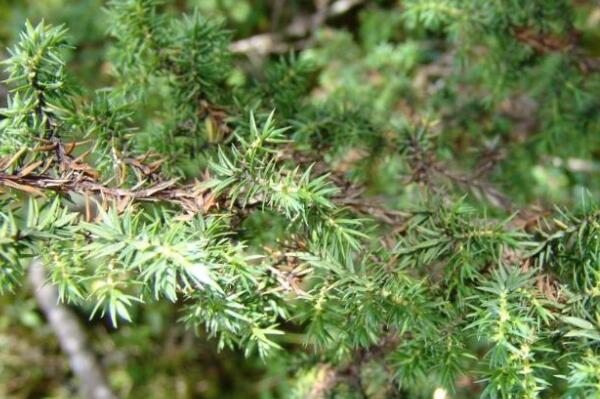
How much does a juniper seedling cost?
| Seedling name | Height (cm) | Unit price (yuan) |
| Juniper | 50 | 1.5~2.4 |
| Juniper | 60 | 1.8~2.6 |
| Juniper | 70 | 2.2~3.3 |
| Juniper | 80 | 3.3~4.8 |
| Juniper | 100 | 3.6~5.2 |
| Juniper | 120 | 4.5~6.5 |
| Juniper | 150 | 11~15 |
| Juniper | 160 | 13~18 |
| Juniper | 180 | 16~25 |
| Juniper | 200 | 22~35 |
| Juniper | 220 | 25~38 |
| Juniper | 250 | 30~45 |
| Juniper | 280 | 48~65 |
| Juniper | 300 | 55~80 |
Can juniper be grown at home? Can it be made into bonsai?
A juniper bonsai can be grown at home. It can purify the air and absorb dust. During the day, under light, it definitely absorbs carbon dioxide and releases oxygen. But note that most plants, after losing light at night, absorb oxygen and release carbon dioxide, so it is recommended not to place it in the room where you sleep. Put it on a balcony or outside the door to keep the air circulating.
Key points for making a juniper bonsai:
1. Digging: The same as usual. The key is to do it before the sap starts moving, and to keep a soil ball.
2. Trimming the stump: The stump roots are done in one go, and the stump branches are done in stages. Trim the branch tips, root tips, and wounds flat, and seal them. Remove one-half of the foliage volume.
3. Growing the rough stock: Use loose, plain soil, sterilized. Sand culture is even better for rough stock. Plant shallowly and mound up high, and soak thoroughly so the water reaches the roots. Shade in the early stage. Let it grow freely.
4. Pruning: Do not prune weak branches in the same year; for vigorous branches, set the branches around the Start of Autumn. Shortening vigorous branches encourages lower buds to grow. Pinch the tips during the growing season. Repeat this cycle.
5. Potting: Pot up well-growing tree stumps one week before the Start of Autumn, using slightly acidic, loose soil, and place them according to their habits.
6. Shaping: Work according to the material. Combine trunk chopping, branch building, pruning, wiring, and grafting, and both restrain and release. The shaping process repeats continuously.
7. Branch pads: In the early stage, focus on pulling and wiring, with pruning as a supplement. After the branch pads form, focus on pruning. Work from top to bottom, suppress the strong and support the weak.
Precautions:
1. Clean out old needles and dead needles on time, and keep an appropriate amount of needles to help ventilation and light, and reduce pests and diseases.
2. Pruning and grafting wounds must be sealed promptly.
3. Juniper is a shallow-rooted tree species, so it should not be planted deeply.
4. When a juniper branch has no branches or leaves, it easily contracts and dies. Only after the lower branches sprout can they be shortened in stages and gradually.
5. Clever use of old branches can shorten the care time.
6. Preventing borers is a major matter; do not neglect it. Focus on small borers and jewel beetles. Combine manual capture with chemical prevention.
7. In the early stage, pay attention to wind protection and shock prevention, so as to avoid shaking the tree and pulling the roots, causing death.
8. Prevent pollution from soot, dust, soil, the environment, and chemical substances in the air. Use less tap water.
How is juniper planted?
1. Good seedling growth and fast growth come down to watering, fertilizing, weeding, and pest prevention. Juniper has strong vitality, is drought-tolerant, fears waterlogging, and grows quickly. Nursery planting has high economic benefits, and it is widely used for landscaping. Juniper can be propagated by cuttings. September and October are the two best seasons. At this time, the temperature is between 12~26 degrees. Plant growth is slow, but the new branches of the year have fully lignified. Cut 10~15 cm long branches, irrigate the seedbed, and insert the cuttings in rows. They begin to root in February and March of the following year, and can be transplanted in May.
2. For customized nursery planting, set the plant and row spacing according to the seedling plan. To cultivate 1 m junipers, a 30*50 cm spacing is needed; for 1.5 m, a 50*70 cm spacing is needed. In the seedling stage, planting is generally at 30*40 cm. When they grow larger, transplant them again or sell part of them. Juniper can grow 40~80 cm in height each year, with an average growth of 55 cm. During the growing period, it needs a large amount of fertilizer and water, especially in April and August, when the temperature is best for growth. At this time, pay special attention to applying more fertilizer and watering frequently. When planting juniper on work sites, the main thing is that watering must be thorough. Watering can determine 90% of the survival rate of the saplings. Especially in the first few days after planting, water more according to the weather, but do not fertilize.