Key technical points for fertilizing apple trees, their flowering time, and post-bloom pest and disease control
Apple tree generally refers to the apple, a deciduous tree that can usually grow up to 15 m tall, but cultivated trees generally grow only about 3-5 m tall. They generally have a lifespan of 15-50 years. So what fertilizer is best for good apple trees? When do they bloom? What are the key technical points for post-bloom pest and disease control? What pesticide should be sprayed during the flowering period? According to Rosaceae information, the flowering period of apple trees depends on the climate in each region, but it is generally concentrated in April-May. Apple is a cross-pollinated plant, and most varieties cannot set fruit by self-pollination.
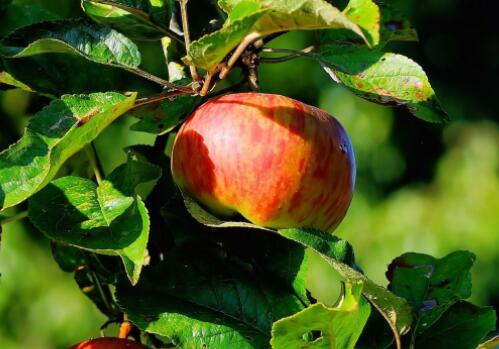
What fertilizer is best for growing good apple trees?
1. For apple trees, base fertilizer should mainly consist of organic fertilizer, and it is best applied in autumn. The best time for autumn base fertilizer application is after the harvest of mid-season varieties and before the harvest of late-season varieties, generally from late September to early October.
2. Base fertilizer should combine organic fertilizer with quick-acting fertilizer. Organic fertilizer should mainly be slow-release and semi-slow-release fertilizers, such as pigpen manure, cattle and horse manure, and human excrement and urine, applied once in sufficient amount according to the yield. Quick-acting fertilizers are mainly nitrogen fertilizer and superphosphate. To give full play to the fertilizer effect, several fertilizers can first be piled and composted together, then mixed evenly and applied. The application rate of base fertilizer, calculated by effective ingredients, should account for about 70% of the total annual fertilizer application, of which chemical fertilizer should account for 2/5 of the annual total.
What are the key technical points for post-bloom pest and disease control in apple trees?
After apple petals fall, as spring shoots emerge and grow vigorously, various apple tree diseases begin to infect, and pests begin to emerge from overwintering and gradually enter the period of reproduction and damage. According to surveys by agricultural technicians, many pests and diseases such as apple powdery mildew, moldy core, Lithocolletis ringoniella, aphids, scale insects, hawthorn spider mite, leaf roller moths, and scarab beetles begin to occur and cause damage. As temperatures gradually rise and rainfall increases, the infection and reproduction of various pests and diseases accelerate, and the damage will further increase. All regions should seize the key opportunity 7-10 days after bloom, select fungicides, insecticides, and acaricides according to the symptoms, supplement with supporting trapping and killing techniques, and carry out effective control, which plays an extremely important role in controlling pest and disease damage throughout the year.
1. Chemical control:
To control diseases such as alternaria leaf spot, brown spot, and powdery mildew, choose fully chelated mancozeb, thiophanate-methyl, myclobutanil, etc.; to control pests such as yellow aphids and leaf roller moths, choose abamectin, imidacloprid, acetamiprid, cyfluthrin, fenvalerate, etc.; to control spider mites, choose pyridaben, hexythiazox, etc., and after mixing according to the recommended dosage, spray the whole orchard. Recommended chemical combinations are mancozeb + acetamiprid + hexythiazox or propineb + imidacloprid + pyridaben. Orchards with severe powdery mildew can add myclobutanil, etc.
When applying pesticide, be sure to choose a sunny, windless day and spray carefully and evenly after 4 p.m.; when spraying, strictly follow the recommended dosage and use concentration on the pesticide label, use pesticides in a standardized way, and do not mix randomly or improperly to prevent pesticide damage; use a 3-nozzle elevated spray to ensure balanced pressure and atomization effect, and do not use a spray gun, so as to reduce liquid loss, improve pesticide utilization, and reduce pesticide pollution in the orchard.
2. Trapping and killing techniques:
(1) Hang sex pheromone lures to trap and kill pests. Hang sex pheromone lures to trap and kill adults, 3-5 per mu. The method is to add water to a basin about 15 cm in diameter to 2/3 full, add a small amount of washing powder to the water, hang the lure 1-2 cm above the water surface, then hang the basin on branches at the outer edge of the fruit tree, about 1.5 m above the ground. When threading the lure with wire, keep its opening facing downward or to the side. Remove dead insects from the trap basin in time, and replace the lure every 20-25 days.
(2) Install insect-killing lamps in the orchard to trap and kill pests such as scarab beetles and leaf roller moths. The lamp spacing is 100-150 m, arranged in a checkerboard pattern. The lamps should be slightly higher than the fruit trees, and the mouth of the insect-collecting basin (bag) should be 1-1.5 m above the ground to facilitate cleaning of trapped pests. The effect is better when used in large contiguous orchards.
What pesticide should be sprayed during the flowering period of apple trees?
1. Pesticide use at the apple flower bud stage is very important. First, it can effectively reduce the base of pest and disease occurrence throughout the year and the cost of control; second, it can prevent late spring cold during the flowering period; third, it can supplement nutrition during the flowering period and promote flowering and fruit setting. However, at this stage the leaves are young and not yet fully expanded, and their tolerance to pesticides is poor. When using pesticides, pay attention to making the dilution concentration scientific and reasonable.
2. Before apple trees bloom, insecticides, fungicides, and microelement fertilizers can be sprayed; during the flowering period, only growth regulators and trace elements such as boron and rare earth can be sprayed.