Planting Time, Methods and Precautions for Lettuce (Asteraceae, Lactuca)
Lettuce has a long history of introduction into China, and it is cultivated more extensively along the southeast coast, especially in the suburbs of major cities and in the Guangdong and Guangxi regions. So what are the planting time, methods and precautions for lettuce (Asteraceae, Lactuca)? Lettuce planting time can be divided into spring sowing and autumn sowing; by avoiding the seasons of severe heat and severe cold, it can survive normally. Lettuce is generally sown in January and February for seedling raising, and then transplanting is completed in late April, so it can be supplied for seasonal consumption; about one month later, it can be harvested normally, and the longest growing period is two months.
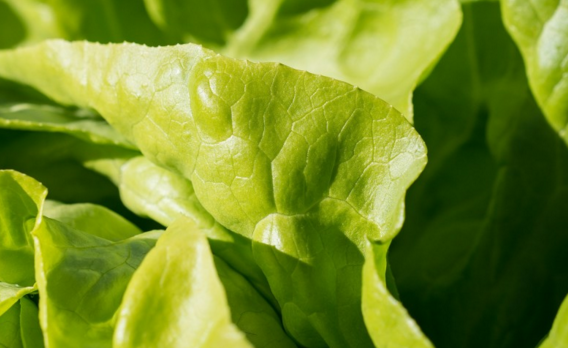
Lettuce planting methods:
Seed selection: There are many types of lettuce seeds. The three currently most popular are curled-leaf lettuce, butterhead lettuce, and crisphead lettuce.
Seedbed: First prepare nutrient soil, choose fertile sandy soil, mix in organic fertilizer and ammonium sulfate, level the seedbed, water it thoroughly until it penetrates, and wait for sowing.
Sowing: The sowing time is spring and autumn. When broadcasting the seeds, you can first mix the lettuce seeds with sandy soil, then evenly sprinkle them over the seedbed and cover with about 0.5 cm of soil.
Seedling raising: After successful sowing, the temperature needs to be controlled between 12-20 degrees Celsius, keep ventilation, and avoid direct sun exposure. Once the seedlings grow 2-3 true leaves, they can be transplanted.
Transplanting: When transplanting lettuce, the seedlings should be lifted with soil, with spacing kept at about 4 cm; then apply compound fertilizer and water afterward.
Harvesting: For lettuce growth, sufficient water and fertilizer are enough. It can be harvested in at most two months. When harvesting, care should be taken to avoid damaging the roots.
Precautions:
Crisphead lettuce prefers a cool climate, with an optimum growing temperature of 15—20℃, and it is best suited to an environment with a large day-night temperature difference and lower nighttime temperatures. The optimum temperature for head formation is 10—16℃. When the temperature exceeds 25℃, the inner leaves of the head may become necrotic and rot due to high temperature, and growth will be poor. The seed germination temperature is 15—20℃. Above 25℃, because water absorption by the seed coat is hindered, germination is poor. When sowing lettuce in summer, low-temperature treatment is needed: after soaking the seeds, place them in the refrigerator's cold storage compartment to promote germination, and sow only after the sprouts show white. Loose-leaf lettuce is relatively heat-tolerant, but in high-temperature seasons it also grows poorly. Lettuce prefers slightly acidic soil (pH 6—6.3 is best), and cultivation in sandy loam or clay loam with strong water retention and good drainage is superior. Lettuce needs more nitrogen fertilizer, so before planting, more organic fertilizer should be applied as base fertilizer; during the growth process, no more organic fertilizer should be applied. Water cannot be lacking during the growth period, especially during the head-forming stage of crisphead lettuce, when sufficient moisture is needed. If there is drought and a lack of water, not only will the heads be small, but the leaves will also taste bitter and be of poor quality. However, water should not be excessive either; otherwise the heads will split, affecting appearance quality, and it is also prone to causing soft rot and sclerotinia. Only with proper water and fertilizer management can high-yield, high-quality lettuce be obtained.