Silver jasmine (Jasminum polyanthum, silver-thread jasmine) perennial woody seed planting method, whether it drops leaves in winter and its uses
Silver jasmine is a perennial woody plant with many fibrous roots, multi-branched spreading vines, long and slightly drooping stems, white flowers, a strong fragrance, and a very long flowering period with continuous blooms. So do you know what the seed planting methods for silver jasmine are? Does it drop leaves in winter? What uses does it have?
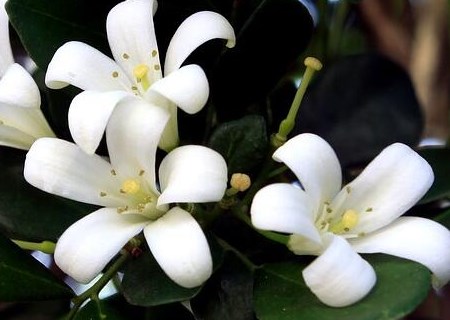
I. Silver jasmine seed planting methods
1. Environment and light
Jasmine likes hot, humid, well-ventilated conditions and needs plenty of light. Jasmine is sensitive to cold; in the south, potted jasmine can be grown outdoors through the winter, while in the north, it needs to be kept warm in autumn and winter, moved indoors and placed in a south-facing spot. With strong light the branches and stems are sturdy, the leaves are dark green, and the flowers are abundant and fragrant; with insufficient sunlight the nodes are sparse, the flowers are few, and they are not fragrant.
2. Water
Jasmine is not drought-tolerant, but it also dislikes waterlogging. In the rainy season, promptly pour out any standing water in the pot, otherwise the leaves easily turn yellow. On hot sunny days in summer, water twice a day, once in the morning and once in the evening. If the leaves are found curling and drooping, spray water on the leaves to promote growth.
3. Soil
For growing jasmine, fertile sandy and semi-sandy soil is best. Grown in slightly acidic soil with a pH of 6 to 6.5, the root system is dense and growth is vigorous. If the soil is heavy clay, lacking organic matter, low in fertility, and poorly aerated, then the roots are few, the plant is short, the stems and leaves are thin, and the flowers are few and small.
4. Fertilizing
The peak heat of midsummer is the vigorous growth period for jasmine. Apply more organic fertilizer and phosphorus-potassium fertilizer, such as peanut cake powder, bone meal, superphosphate, and multi-element flower fertilizer, twice a month. During the summer growing period, jasmine often shows lush branches and leaves but no flowers; the main reason is too much nitrogen fertilizer, causing excessive vegetative growth. In this case, control fertilizer and water, increase phosphorus-potassium fertilizer to encourage flower bud formation, and at the same time be sure to move the jasmine to a spot with ample sunlight and good ventilation.
5. Pruning
Jasmine grows very fast in summer and needs timely pruning. For potted jasmine, prune and keep 10 cm to 15 cm of the base to encourage many stout new shoots. If the new shoots grow very vigorously, pinch them when they reach 10 cm to encourage secondary shoots, which results in more flowers and a compact plant shape. After the flowers fade, promptly cut off the flowering branches to reduce nutrient consumption; this also encourages new shoots, making the branches dense, the buds numerous, and the blooms abundant.
6. Pest and disease control
Jasmine is often harmed by snout moth larvae, scale insects, and red spider mites, most seriously from July to September, and they often bore into and eat the flower buds. You can spray with all-purpose powder or fenvalerate diluted 200 times with water, once every half month. Spray even if no pests or diseases have occurred, so as to prevent them in advance. The best times to spray are 9 a.m. and 4 p.m. on sunny days; do not spray under the blazing midday sun, to prevent pesticide damage.
7. Care during the flowering period
During the flowering period, do not spray water on the flowers, to prevent premature flower drop and loss of fragrance. When it rains, move potted jasmine to a sheltered place.
II. Does silver jasmine drop leaves in winter?
With proper cultivation, silver jasmine will not drop leaves in winter. Silver jasmine likes warmth and humidity, and grows best in a well-ventilated, semi-shaded environment. If the winter temperature is too low, or if ventilation is poor and the air is dry, it may lose all its leaves, but remedial measures can be taken according to the actual situation.
For the remedy, first carefully observe whether the branches and stems of the jasmine are green. If so, it can be saved. After "Qingming" (Tomb-Sweeping Day), move the jasmine outdoors and place it under a shade frame in diffused light, cut away the dead branches, stop fertilizing for the time being, water when the potting soil is dry, and let it get rained on on rainy days. Before long, as the temperature gradually rises, new branches and leaves will grow again from the leaf axils of the green branches or from the base.
III. What uses does silver jasmine have?
Landscape uses
Golden jasmine has rich flower colors and unusual forms. It can be scattered or planted in clumps in flower borders, at forest edges, and around lawns. Large areas can be planted naturally, and it is especially suitable for placement in spots for evening rest or nighttime cooling off. Indoors, it can also relieve some of the odors given off by furniture!
Environmental uses
Potted golden jasmine kept indoors for viewing absorbs and resists harmful gases given off by household appliances, plastic products, decorative materials, and so on, and can convert nitrogen oxides into protein in plant cells. It can reduce harm to the human body.