What to Do When Lily-of-the-Valley Shrub (Rohdea japonica) Leaves Turn Yellow? Full Analysis of Its Benefits and Uses
Rohdea japonica is a perennial herb with a thick, short rhizome and many fibrous roots, with dense white woolly hairs on the roots. So what should you do when its leaves turn yellow? And what are its benefits and uses? According to the editor's research, many people who grow Rohdea japonica find its leaves turning yellow, and it is still caused by excessive sunlight, because Rohdea japonica is a green plant that prefers a semi-shaded environment. It dislikes direct sunlight, especially in summer, when you absolutely must not put Rohdea japonica in the sun to receive strong light, otherwise its leaves will be scorched and turn yellow. The best way to handle this is to carry out the necessary shading.
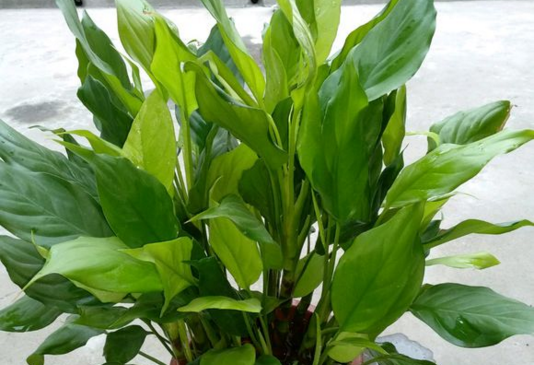
What to Do When Rohdea japonica Leaves Turn Yellow?
1. Prune in Time
During the growing process of Rohdea japonica, if the leaves at its base turn yellow due to normal aging, that is a normal metabolic phenomenon. You can promptly cut off all the yellowed, diseased and old leaves at the base, which will not affect its normal growth but instead make Rohdea japonica grow more vigorously.
2. Water Moderately
Rohdea japonica is a plant with fleshy roots, and it fears waterlogging. During normal care, you must water it moderately. If you water too much, the leaves of Rohdea japonica will turn yellow. The best way to handle this is to maintain ventilation and reduce the water supply. After a few days, once the yellow leaves fall off, the other leaves will no longer turn yellow.
3. Provide Shade in Time
Many people who grow Rohdea japonica find its leaves turning yellow, and it is still caused by excessive sunlight, because Rohdea japonica is a green plant that prefers a semi-shaded environment. It dislikes direct sunlight, especially in summer, when you absolutely must not put Rohdea japonica in the sun to receive strong light, otherwise its leaves will be scorched and turn yellow. The best way to handle this is to carry out the necessary shading.
4. Adjust the Temperature
Sometimes unsuitable temperature is also a main cause of yellowing leaves in Rohdea japonica. The best way to handle this is to move it to an environment with a suitable temperature. This plant grows most vigorously in an environment of 15 to 18 degrees, and the temperature where it is placed must not be lower than five degrees, otherwise the leaves will turn yellow.
Benefits and Uses of Rohdea japonica:
1. Beautifying the Home. Rohdea japonica has broad, deep green leaves and round, bright red berries, making it very beautiful. It has always been a flower valued both for its foliage and its fruit. Its leaf form is elegant and graceful, and it is often placed on long tables in studies and halls or beneath long scrolls of calligraphy and painting. In autumn and winter, the red berries add even more color. Rohdea japonica is suitable for accenting living rooms and studies. Decorative uses: small potted young plants can be placed on desks and windowsills for viewing. Medium-sized potted plants can be placed in living room corners or beside sofas as decoration, filling the room with natural vitality.
2. Purifying the Environment. Rohdea japonica is known for its unique air-purifying ability: it can remove nicotine and formaldehyde. The higher the concentration of pollutants in the air, the more it can exert its purifying ability. Rohdea japonica can bring fresh air to the home and is very suitable for indoor placement.
3. A Good Medicinal Herb. Rohdea japonica has the effects of clearing heat and detoxifying, strengthening the heart and promoting urination. It is used to prevent and treat diphtheria, myocarditis caused by diphtheria, sore throat, rabies bites, bacillary dysentery, and heart failure from rheumatic heart disease; for external use, it treats bruises, venomous snake bites, burns and scalds, mastitis, and carbuncles and boils.
4. Good Symbolism. The flower language of Rohdea japonica is health, longevity and good fortune. Placing a pot of Rohdea japonica at home can let family members live in a home full of healthy blessings.
5. Feng Shui Effect. Rohdea japonica is a plant belonging to the water element in the five elements, so for people whose five elements belong to water, using it as a home decoration is a very good choice. It can turn the owner's home into a feng shui home and help the owner achieve various goals. Placing Rohdea japonica in the bedroom helps the owner establish a feng shui home. Choosing the right plant is conducive to the development of marital affection. People born in the years of the Rabbit and the Tiger should choose plants belonging to the wood element, and can choose Rohdea japonica and others.