Sea Onion (Ornithogalum caudatum) Latest Prices, Growing Methods and Flowering Time
Sea Onion, also known as Ornithogalum caudatum, bottle gourd orchid, etc. Native to southern Africa, it is widely grown in pots across northern and southern China. The flowering period is from March to May, and it can sometimes bloom in autumn as well. The fruiting period is from May to July. So how much does a Sea Onion cost? How do you grow it? When does it bloom?
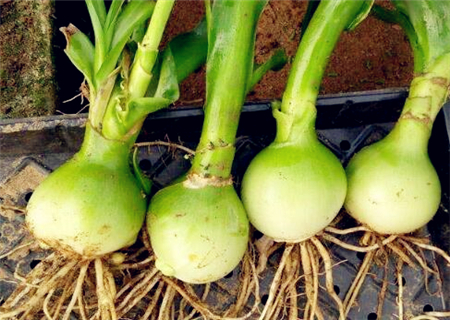
According to the latest prices on Alibaba, Sea Onions cost around 10-17 yuan each.
How to Grow Sea Onion
Propagation tips: Offsets and sowing are commonly used for propagation. For natural offset propagation, dig up the bulbs in August-September, grade them by size and plant them; after one planting, divide the offsets again after several years when the bulbs become crowded. For sowing propagation, seedlings need 3-4 years of cultivation before they can bloom.
Cultivation tips: Sea Onion grows vigorously and tolerates rough management. Fertilize once every half month; the soil should be loose, moist and well-draining. After flowering, remove the spent flower stalks so that flowering is even better the following year. The bulb storage temperature is 25°C, and it needs dry, ventilated conditions.
Humidity management: Sea Onion prefers a relatively dry air environment; prolonged rainy days make it prone to infection by pathogens. It dislikes rain, so keep the leaves dry at night. The optimal relative air humidity is 40-65%.
Temperature management: Sea Onion prefers a cool climate and fears intense heat, making summer difficult to get through; it is not tolerant of frost and enters dormancy when the temperature drops below 10°C. The optimal growing temperature is 15-28°C.
Light management: In late autumn, winter and early spring, since temperatures are not very high, give Sea Onion direct sunlight to help it photosynthesize and form flower buds, bloom and set fruit. In hot weather or in summer, shade about 50% of the sunlight. If Sea Onion is kept indoors for ornamental display after flowering, place it near a southeast-facing door or window to extend the flowering period and increase the number of blooms as much as possible.
Pests and diseases: Sea Onion diseases include mosaic virus, which is spread by aphids and can be controlled by spraying with 2.5% rotenone at 800 times dilution.