Spider Plant Seed Growing Methods, Yellow Leaf Treatment, and Placement in the Bedroom
Spider plant (Chlorophytum comosum), a perennial evergreen herbaceous plant in the class Monocotyledoneae, family Asparagaceae, genus Chlorophytum. Spider plants prefer warm, humid, semi-shaded environments and are highly adaptable. Many people love growing them, so do you know the seed growing methods for spider plants? What to do when the leaves turn yellow? Can it be placed in the bedroom?
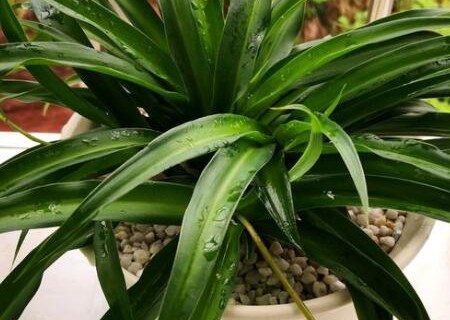
I. Spider Plant Seed Growing Methods
Spider plant seeds can be sown in March each year, but since the seeds are not large, the soil covering them after sowing should not be thick, generally 0.5 cm is sufficient. At a temperature of 15°C, spider plant seeds sprout in about 2 weeks; after the seedlings take shape, transplant them for cultivation. It is worth noting that when varieties with leaf variegation are propagated by seed, their offspring revert to all-green varieties.
Planting substrate:
1. Substrate: Spider plants have strong adaptability to various soils and are very easy to cultivate. Usually, fertile sandy loam, humus soil, peat soil, or fine sandy soil with a small amount of base fertilizer can be used as potting soil.
2. Container: The choice of flower pot for spider plants is fairly flexible, but white porcelain or plastic flower pots are preferable, with a pot height of about 15-20 cm, which pairs with spider plants to appear fresh and elegant.
Spider Plant Growing Methods
1. Light: Spider plants prefer semi-shaded environments and are very sensitive to light. When exposed to direct sunlight in summer and autumn, the leaves will wither and turn yellow, and the entire plant may even die. In winter, since the sunlight is not intense, spider plants can be given some direct sunlight as appropriate.
2. Temperature: Spider plants prefer warm, humid climates and cannot tolerate severe cold or intense heat. The optimal growing temperature is 15-25°C, and the winter room temperature must not be lower than 5°C. During hot periods, avoid direct strong light; during cold, cool periods, more sunlight is beneficial.
3. Watering: Spider plants like water and have relatively strong drought resistance. From March to September, during the peak growing season, they need more water, so water and mist frequently to keep the potting soil completely moist. During the winter dormant period, water after the top approximately 1 cm of potting soil has dried.
4. Fertilizing: Spider plants are relatively fertilizer-tolerant; insufficient fertilizer and water can easily cause tip burn and aging, yellowing leaves, and loss of ornamental value. For spider plants that have begun to produce small plantlets, apply nitrogen fertilizer once every half month; well-growing spider plants can go without fertilizer.
5. Repotting: Spider plants should be repotted once every March; if the pot is deeper and the base fertilizer is sufficient, repot once every two years. When repotting, knock the plant out of the pot, cut off dead and rotten roots and excess roots, replace with new culture soil, and apply sufficient base fertilizer.
6. Pests and diseases: Spider plants generally are not prone to pests and diseases; when problems occur, they are usually root rot caused by waterlogged potting soil and poor ventilation, which should be treated promptly with sprays. Dense clumps with poor ventilation are susceptible to scale insect damage, so prevention should be the priority.
7. Pruning: Spider plants should have yellow leaves cut off at any time. Once a year in March, repot and cut off old roots, rotten roots, and excess fibrous roots. In early to mid-May, some old leaves can be cut off to encourage the spider plant to sprout more new leaves and small plantlets.
II. What to Do When Spider Plant Leaves Turn Yellow
1. Improper fertilizing: Excessive fertilizing causes leaves to turn yellow. When fertilizing exceeds the plant's needs, the leaves initially become glossy and uneven, then the root system rots and the leaves turn yellow.
Treatment: Stop fertilizing, water generously with clean water, or repot, clean the roots, and replace with new soil.
2. Nutrient depletion: The various nutrient elements in the potting soil have been exhausted, and the three key elements nitrogen, phosphorus, and potassium have not been replenished in time. The plant lacks nutrients, and the leaves appear yellow and thin.
Treatment: Promptly replace with fertile loam and water with alum fertilizer water.
3. Insufficient sunlight: Although spider plants are semi-shade-loving flowers, they still need at least four hours of diffused light per day, otherwise chlorophyll decreases and leaves turn yellow.
Treatment: Take some free time each day to place the spider plant in the sunlight for a few hours, but do not expose it to too much direct sun.
4. Poor air permeability and water permeability of the potting soil: Long-term water accumulation in the potting soil that does not dry out makes root respiration difficult, causing leaves to turn yellow.
Treatment: Loosen the soil promptly and control moisture. Fifth, long-term watering that does not penetrate thoroughly. The spider plant's roots lose water, and the lower old leaves turn yellow. Water thoroughly and keep the potting soil warm and moist.
III. Can Spider Plants Be Placed in the Bedroom?
Spider plants have an air-purifying effect, and you may want to grow one in the bedroom. Then the question arises: as a plant, it also respires at night, so will it compete with us humans for oxygen? Can spider plants be placed in the bedroom?
Actually, the bedroom is a place for rest. As long as you do not place 3 or more spider plants in the bedroom, how much oxygen can a tiny spider plant consume!
A fresh and elegant bedroom can make people feel cheerful, and a bedroom full of greenery gives people the best rest experience. The air-purifying function of spider plants keeps your bedroom air fresh.
Therefore, spider plants can be placed in the bedroom. But choose ones that are slightly smaller as mature plants, and 1-2 pots is appropriate. It is best to place them on the windowsill or on the wall opposite the bed. This eliminates everyone's concerns, meets the bedroom's need for fresh air, and also lets the spider plant grow very well. A case of three benefits in one move, so of course you should do it right away!