Dahlia pinnata (small dahlia) seed planting methods and value, does it bloom in winter?
Dahlia pinnata is a perennial bulbous herbaceous plant with a low-growing habit and a long flowering period. It is an excellent groundcover plant, and can also be used in flower beds and flower borders, as well as for container growing and cut flowers. So do you know what the seed planting methods for Dahlia pinnata are? What value does it have? Will it bloom in winter? According to a botany expert, Dahlia pinnata can bloom in winter when environmental conditions meet its growing requirements. The ideal growing temperature for Dahlia pinnata is between 10°C and 25°C.
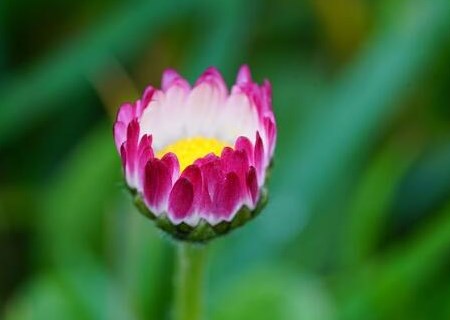
I. Dahlia pinnata seed planting methods
1. Seed selection
Dahlia pinnata is usually propagated by sowing, and seed selection is especially important. To ensure sowing quality, it is best to use seeds produced through controlled hand pollination.
Sowing method
Dahlia pinnata seeds are generally sown in early May. The seeds are sown by dibbling or drilling in flower pots or seedbeds, then lightly covered with a 0.3 cm layer of soil. Keep the temperature between 15°C and 20°C, and control humidity and sunlight at around 70%. Under normal conditions, they will germinate in six to eight days, and once two leaves have grown they can be planted out.
After planting out, the temperature needs to be kept between 18°C and 25°C. When five to seven true leaves have grown, the seedlings can be transplanted. When transplanting, note that the seedlings must be moved with their original soil, which effectively avoids damaging the tuberous roots of Dahlia pinnata and helps them survive. The distance between the transplanted seedlings should be kept between 20 cm and 30 cm.
2. Planting precautions
1. Soil. The soil chosen must be fertile and loose, and drainage must be good. Sandy soil is best, and heavy clay soil must absolutely be avoided.
2. Temperature. Dahlia pinnata has fairly strong survival ability and can grow normally even when summer temperatures are very high, but it is still best to keep the temperature between 15°C and 20°C, as this is favorable for seed germination.
3. Watering. After the seeds are planted, remember to water them and soak the soil thoroughly. After that, water once a day to provide sufficient moisture for seed germination.
4. Light. Dahlia pinnata especially likes a mild, cool climate and plenty of sunlight. After the seeds are sown, a certain amount of light time is necessary, so that the seeds can grow healthily and germination time will be brought forward.
II. The value of planting Dahlia pinnata
1. Ornamental value
Dahlia pinnata and Dahlia pinnata belong to the same genus, and the two are very similar in some traits, with high ornamental value. However, Dahlia pinnata and dahlia are themselves different.
The ornamental value of Dahlia pinnata is mainly reflected in its flowers. The plant is short, but its flower colors are rich. In terms of color, Dahlia pinnata has many varieties, including bright red, purplish red, yellow, purple, blue, white and bicolor. Each flower color can give people a different ornamental experience.
Dahlia pinnata has many flower forms and a relatively long flowering period. Its peak flowering period is during the National Day period. It can be sown in stages, and if maintenance conditions are suitable, it can have flowers in all four seasons.
In short, Dahlia pinnata has bright and rich flower colors, a long flowering period, strong objectivity and high ornamental value.
2. Landscape uses
Dahlia pinnata has many landscape uses. It can serve as an excellent groundcover plant, and can also be used in flower beds and flower borders. It has many branches and many flower heads, and each Dahlia pinnata plant can bloom with several flowers at the same time, a truly beautiful sight.
Besides being used as a landscape flower, Dahlia pinnata can also be grown at home in containers for viewing, and can also be used as a cut flower. When growing Dahlia pinnata at home, when the flowers bloom you can enjoy its beautiful blossoms, and cut flowers also have a good ornamental effect. Choosing different flower colors or arranging them with other floral materials in an arrangement will produce different ornamental effects.