Is Lettuce Genetically Modified? When It Was Introduced to China, Whether to Eat It Raw or Cooked, and Cultivation and Management Techniques
Lettuce is also known as leaf lettuce, goose lettuce, celtuce, and mai lettuce. In recent years, its cultivation area has expanded rapidly, and lettuce has moved from hotels and restaurants onto the dining tables of ordinary people. So, is lettuce genetically modified? When was it introduced to China? Is it better eaten raw or cooked? What are the cultivation and management techniques? It is reported that lettuce is not genetically modified. At present, apart from the large-scale imported genetically modified soybeans and corn, other genetically modified vegetables are uncommon. Although China once approved other genetically modified vegetables such as genetically modified tomatoes, genetically modified tomatoes have basically been eliminated worldwide because their skin is too thick and their taste is poor.
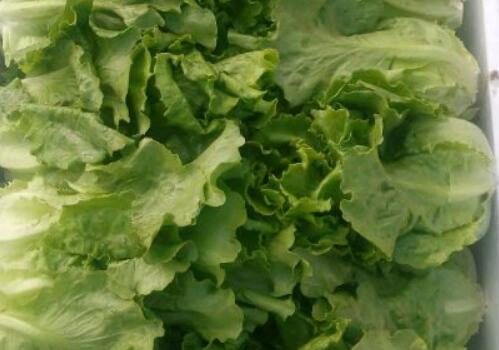
When was lettuce introduced to China?
1. Lettuce originated along the Mediterranean coast of Europe and was domesticated from wild species. The ancient Greeks and Romans were the first to eat it.
2. Lettuce was introduced to China quite long ago. The exact date cannot be determined, but it has been in China for at least 600 years. However, Guanyao in Shishan Town, Nanhai, has a history of more than 1,100 years, originating in the late Tang Dynasty and the Five Dynasties and Ten Kingdoms period, and it was named after the Southern Han king established a pottery kiln there. It has many unique folk customs and cultures, the most prominent being the Guanyao Lettuce Fair, which has continued for nearly 600 years.
Is lettuce better eaten raw or cooked?
1. Lettuce can be eaten raw.
In our daily lives, vegetables such as carrots, white radishes, tomatoes, cucumbers, cabbage hearts, Chinese yams, scallions, onions, and garlic can all be eaten raw, and lettuce is no exception. However, when eating lettuce raw, adding a small amount of salt, MSG, sugar, vinegar, soy sauce, sesame oil, and other seasonings makes it more delicious.
2. Lettuce eaten raw is more nutritious, but absorption is not very good. Moreover, eating lettuce cooked is safer.
Although eating lettuce raw preserves a lot of nutrients and the absorption of vitamin C is also high, the absorption of other nutrients is poor. After chopping lettuce and lightly stir-frying it with a small amount of vegetable oil, the nutrient absorption rate can be increased by 10 times compared with eating it raw. Therefore, lettuce is more suitable for eating cooked.
3. Benefits of eating lettuce raw:
(1) Eating lettuce raw is crisp, fragrant, and refreshing.
(2) Eating lettuce raw is more nutritious than after cooking, and cooking will definitely destroy nutrients in vegetables.
(3) Most vegetables contain an immune substance—interferon inducer, which acts on the interferon genes of human cells and has the effect of inhibiting cancerous changes in human cells and resisting viral infections. However, this “interferon inducer” cannot withstand high temperatures, and only eating vegetables raw can allow it to exert its effect.
Appendix: Lettuce Cultivation and Management Techniques
1. Soil selection: Choose fertile, organic-matter-rich, water- and fertilizer-retentive, well-aerated, easy-to-drain-and-irrigate, slightly acidic loam soil for planting.
2. Variety selection: The main varieties selected are “Glass Lettuce”, “Head Lettuce”, “Curly Leaf Lettuce”, and “Caesar”.
3. Sowing and seedling raising: The general sowing period is from August—February of the following year, and the suitable sowing time is mid-October to mid-December. Sowing is also possible from early March to early July, but the growth period is short and the yield is low. In winter and early spring, cultivate in large or small plastic tunnels, and in summer, cultivate under shade nets or in shaded sheds.
4. Field planting: For “Glass Lettuce”, the seedling age is about 25 days, and it can be planted when it has 4-6 true leaves, with a plant spacing of 14 cm×18 cm. For “Head Lettuce”, the seedling age is 30-35 days, and it is planted when it has 5-6 true leaves, with a plant spacing of 17 cm×20 cm, and a bed width of 0.8 m-0.9 m. For the planting soil, apply 4000-5000 kg of organic fertilizer and 20 kg of superphosphate per 667 sq m, or 50 kg of compound fertilizer. When planting, keep soil around the roots, and water immediately with rooting water. The planting depth should be such that the heart leaves are not buried. For planting in high-temperature seasons, build the frame in the morning of the planting day, cover it with a shade net, and transplant after 4 p.m. For winter and spring cultivation, plastic film mulching can be used. For plastic tunnel cultivation, the daytime temperature should be controlled at 12-22°C as suitable; if the temperature is too low, attention should be paid to keeping warm; if the temperature is too high (above 24°C), uncover the film for ventilation and cooling. Under normal circumstances, the skirt film of the plastic tunnel can be opened.
5. Field management: Lettuce requires a lot of fertilizer, so it should be fertilized frequently and heavily. 5-6 days after planting, apply a small amount of quick-acting nitrogen fertilizer. After 15-20 days, apply 15-20 kg of compound fertilizer per mu. After 25-30 days, apply 10-15 kg of compound fertilizer per mu. However, human and animal manure should not be used as topdressing in the middle and late stages. After planting, the water requirement is greatest. According to the weather after seedling recovery and the soil moisture condition, water in a timely manner, generally once every 5-6 days. Watering in the middle and late stages should not be excessive.
6. Pest and disease control: Aphid damage mostly occurs in autumn, winter, and spring. It can be controlled by spraying 600-800 times dilution of 40% dimethoate emulsifiable concentrate, or 2 times dilution of 50% pirimicarb, etc. Sclerotinia rot mostly occurs in February-March. It can be controlled by spraying 500-700 times dilution of 70% thiophanate-methyl wettable powder or 1000-1500 times dilution of 50% iprodione powder. Soft rot is prone to occur in high-temperature and rainy months. It can be controlled by spraying 1000 times dilution of 47% kasugamycin-copper wettable powder, or 500 times dilution of 77% copper hydroxide wettable powder. Stop applying the pesticide 15 days before harvest.