Chayote, also known as vegetable pear: when to plant it, its nutritional value, and is it a cooling or warming food?
The fruit, tender stems and leaves, tendrils, and underground tubers of chayote can all be used in dishes, making it a veritable pollution-free vegetable. People all like to grow it. So do you know which month chayote is planted? What nutritional value does it have? Is it a cooling or warming food? According to Uncle Chen, a chayote grower, he told us that chayote can be transplanted once the frost has ended. For greenhouse cultivation, it can be transplanted in early to mid-March, while for open-field planting, mid-April is suitable.
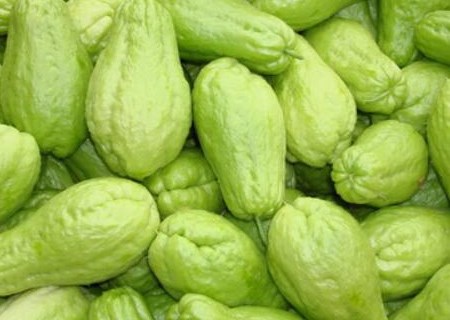
I. What nutritional value does chayote have?
1. The selenium content of chayote shoots reaches as high as 30.58-53.01 micrograms per 100 grams, which many vegetables cannot match. Modern medicine has proven that selenium is an indispensable trace element for the human body, and the daily intake for each adult should be 30-50 micrograms. Selenium has a strong antioxidant effect and can protect the structure and function of cell membranes from damage.
What are the benefits of eating chayote?
2. Among gourd vegetables, chayote is comprehensively rich in nutrients, and eating it regularly is beneficial for enhancing the body's ability to resist diseases.
3. The selenium content of chayote shoots reaches as high as 30.58-53.01 micrograms per 100 grams, which many vegetables cannot match. Modern medicine has proven that selenium is an indispensable trace element for the human body, and the daily intake for each adult should be 30-50 micrograms. Selenium has a strong antioxidant effect and can protect the structure and function of cell membranes from damage.
4. Zinc has a relatively large impact on children's intellectual development. Children lacking zinc have lower intelligence, and regularly eating chayote, which contains more zinc, can improve intelligence.
5. Traditional Chinese medicine believes that it has the effects of regulating qi and harmonizing the middle, soothing the liver, and relieving cough, and is suitable for people with indigestion, chest tightness and bloating, vomiting, liver-stomach qi pain, and bronchitis with cough and excessive phlegm.
6. Chayote has a relatively good therapeutic effect on infertility caused by nutrition in both men and women, especially on declining sexual function in men.
II. Is chayote a cooling food or a warming food?
Chayote is a vegetable of the Cucurbitaceae family, cooling in nature and sweet in taste, with the effects of dispelling wind and relieving heat, and strengthening the spleen and opening the appetite; it mainly treats wind-heat invading the lungs, headache, dry throat, cough, and various syndromes of cold-dryness in the spleen and stomach. It can be eaten with ginger and mustard to increase its cooling nature.