Broccoli Seed Planting Methods, Market Prospects and Per-Mu Returns Explained
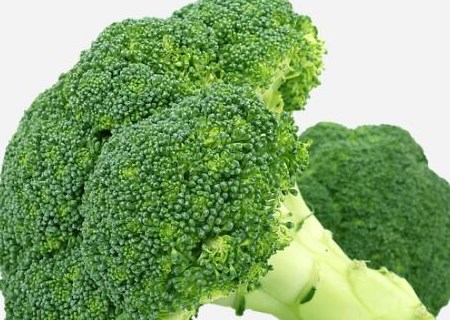
Broccoli, also known as xi lan hua, commonly called qing hua cai, is a common vegetable. Commonly known as green cauliflower, it is a biennial herbaceous plant. It originated in Italy and is widely distributed in China. So do you know what the broccoli seed planting methods are? What are its market prospects? How much money can you earn per mu? According to a large-scale broccoli grower in Jiangsu, the broccoli he grows yields an average of 3500-4000 kg per mu, and each kg can fetch 2.4-3 yuan. After deducting production costs, one mu of broccoli can bring in nearly 10,000 yuan.
I. Broccoli Seed Planting Methods
1. Variety Selection
Broccoli is a vegetable that prefers cool conditions. Choose varieties with strong plant growth vigor, dark green flower buds, few burnt buds, arc-shaped round heads, few side shoots, small buds, large heads, disease resistance, heat tolerance, cold tolerance and wide adaptability, such as the Japanese varieties Youxiu, Longlu and Shanshui, or other varieties such as Yuguan, Dongfang Lubao, Wanlu and Luxiu, or select various high-quality varieties according to market demand, but they must meet the national grade-two seed standard before use.
2. Sowing Time
For autumn double-mulch cultivation, sow in early July; for overwintering cultivation in solar greenhouses, sow from late July to August; for early spring cultivation in solar greenhouses, sow from early September to early October; for early spring cultivation in plastic tunnels and small arch sheds, sow in November; for spring plastic film cultivation, sow in January.
3. Seed Treatment
(1) Seed: Soak the seeds in warm water at 33°C for 15 minutes, stirring constantly, and stop when the water temperature drops to 20°C. Continue soaking in warm water for 4 hours, rinse clean with clear water, then germinate.
(2) Germination: Wrap the soaked seeds in moist cotton gauze and germinate them at 30°C. Rinse once a day with clear water, and sow when 60% of the seeds have sprouted white.
4. Field Seedling Raising
(1) Bed selection: The broccoli seedling stage is relatively short. Choose a seedbed on land that is high-lying, convenient for drainage and irrigation, rich in organic matter, and where cruciferous vegetables have not been grown in the past two years or the previous crop was rice. The seedbed should preferably run north-south.
(2) Sufficient base fertilizer: Deep plow 15-20 days before sowing. Apply 15 kg of compound fertilizer plus 5 kg of superphosphate per mu 7-10 days before sowing, or splash-apply 2500 kg of decomposed human manure, to ensure an adequate nutrient supply during the seedling stage. Turn and rake the soil until broken up, and make a sowing bed about 1.2 m wide, with a seedling-field ratio of 1:20-30.
(3) Chemical treatment and sowing: Water the seedbed thoroughly once before sowing, and apply a 1000-fold dilution of phoxim or similar chemicals to prevent underground pests. When sowing, mix the treated seeds with an appropriate amount of sand and evenly broadcast them in the seedbed. After sowing, press down with a shovel, then spread a layer of medicated soil mixed with 0.1% carbendazim and dexon.
(4) Sunshade and insulation: In summer, spread a layer of shade netting flat over the seedbed, set up a small arch shed, then cover with another layer of shade netting for double-layer shading, moisture retention and cooling during seedling raising. In winter and spring, use one layer of plastic film and one layer of shed film for double-film insulation during seedling raising.
5. Nutrient Solution Seedling Raising
Nutrient solution seedling raising is currently a relatively good method of raising seedlings. It has the characteristics of low cost, convenient management, high seedling survival rate and centralized seedling supply, and is welcomed by production and processing enterprises.
(1) Substrate: 25% vermiculite, 65% peat, 10% perlite.
(2) Substrate composting and disinfection: After thoroughly and evenly mixing all the raw materials, evenly spray 50-100 fold formalin (40% formaldehyde) onto the substrate, then cover tightly with plastic film. After sealing for 4-5 days, remove the film for ventilation and turn the nutrient soil so the formaldehyde volatilizes. It can be used after 2 weeks. The pH of the substrate also needs to be adjusted to 6.5-7; if too acidic, adjust with lime, and if too alkaline, neutralize with dilute hydrochloric acid.
(3) Sowing: Fill the plug tray with substrate, water thoroughly, then use a special hole-punching machine to make sowing holes. Use a seeder to sow the seeds into the holes and cover with substrate.
II. What Are the Market Prospects for Broccoli Cultivation
Tang Xiaowei, a researcher at the National Vegetable Engineering Research Center, pointed out that broccoli is the best vegetable. Scientific evidence shows that the nutrients in broccoli are not only high in content but also very comprehensive, mainly including protein, carbohydrates, fat, minerals, vitamin C and carotene. According to analysis, every 100 grams of fresh broccoli heads contain 3.5 g-4.5 g of protein, which is 3 times that of cauliflower and 4 times that of tomato, and the vitamin C content is higher than that of chili peppers. In addition, the mineral composition of broccoli is more comprehensive than that of other vegetables, being rich in calcium, phosphorus, iron, potassium, zinc, manganese and more.
The anti-cancer effect of broccoli is recognized worldwide. In addition, broccoli is also rich in ascorbic acid, which can enhance the liver's detoxification ability, while the flavonoid substances in it have regulatory and preventive effects on high blood pressure and heart disease. At the same time, broccoli is a high-fiber vegetable that can effectively reduce the absorption of glucose by the stomach and intestines, thereby lowering blood sugar and effectively controlling the condition of diabetes.
Broccoli is a vegetable rich in nutrition and unique in flavor, deeply loved by consumers around the world. Demand is relatively large in European, American and Japanese markets, with Japan alone selling 300,000 tons annually. Its market prospects are very broad.
With the rapid development of China's economy and the improvement of people's living standards, improving and enhancing residents' quality of life is imperative. Domestic market demand for broccoli is also growing stronger day by day, especially in large cities such as Shanghai and Beijing, where demand for broccoli is rising rapidly.
In recent years, 70% of the broccoli exported to Japan nationwide was exported from our Taizhou. Although domestic broccoli cultivation has expanded somewhat, there are few bases that truly integrate large-scale production, processing and export. Therefore, relying on our county's natural resources and labor advantages, establishing a 60,000-mu high-efficiency ecological broccoli export vegetable production base and an agricultural leading enterprise with an annual processing capacity of over 10,000 tons has broad prospects. The broccoli deep-processing project uses methods such as cold treatment, dehydration and vacuum packaging to process broccoli buds into premium products for domestic and international markets; processes by-products such as leaves and stems into finished products to meet the needs of different markets; and through processing-oriented agricultural leading enterprises, implements integrated production-processing-sales operations to promote industry development, thereby driving farmers toward a moderately prosperous life.