Growing Methods, Precautions, Benefits and Effects, and Cutting Propagation of Rhodoleia championii
Rhodoleia championii is a neutral to shade-leaning tree species; young trees tolerate shade, while mature trees prefer more light. So what are the growing methods and precautions for Rhodoleia championii? What are its benefits and effects? How do you propagate it by cuttings? According to available information, Rhodoleia championii has no strict soil requirements and can grow well in ordinary sandy soil; the soil chosen is generally acidic or slightly acidic. It grows better on deep, fertile sloping land.
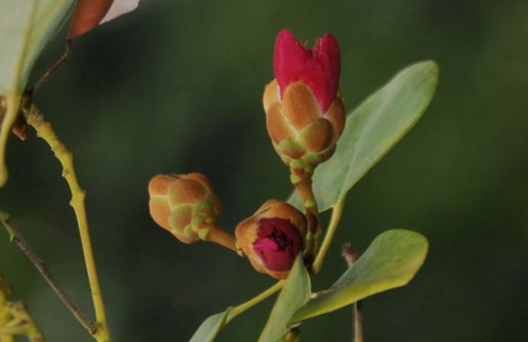
I. What are the growing methods and precautions for Rhodoleia championii?
Soil
Rhodoleia championii has no strict soil requirements and can grow well in ordinary sandy soil; the soil chosen is generally acidic or slightly acidic. It grows better on deep, fertile sloping land.
Light
Rhodoleia championii likes light, so it should be planted in a place with good sunlight. Planting it in too shady a spot will affect flowering.
Water and Fertilizer
Rhodoleia championii dislikes heavy clay soil and waterlogging. Therefore, daily care should pay attention to drainage. For potted plants, the soil should preferably be fertile sandy loam; in southern regions, pond mud and coarse sand can be chosen for the mix, while in northern regions, mountain soil or leaf mold plus a small amount of organic fertilizer is used to prepare the soil.
For Rhodoleia championii grown outdoors, no special watering is needed; natural rainfall is sufficient. Before and after flowering, it should be pruned and top-dressed, applying organic fertilizer or compound fertilizer two to three times. For potted Rhodoleia championii, watering should follow the principle of watering when dry and stopping when wet; the soil must not stay too moist for long periods, otherwise it will affect soil aeration and drainage, leading to root rot. After flowering, nitrogen fertilizer should be applied; before flowering, phosphorus and potassium fertilizers should be the main top-dressing; and during flowering, fertilization should be stopped.
Precautions
Young Rhodoleia championii trees should be shaded, while mature plants like light, so mature trees and young trees should be treated differently. It requires an average annual temperature of 19°C-22°C and tolerates an absolute low temperature of -4.5°C.
II. What are its benefits and effects?
1. Construction
Rhodoleia championii is an excellent building material. Not only are its grain patterns attractive, but it is also corrosion-resistant, making it a high-quality material for furniture, construction, shipbuilding, vehicles, plywood and veneer panels. It is also a good landscape tree for gardens and an excellent woody flowering plant.
2. Medicinal
Rhodoleia championii, also known as Luoduomu, is pungent in flavor and warm in nature, entering the liver meridian. Its traditional Chinese medicine chemical constituents include alkaloids. Its main effect is to invigorate blood and resolve stasis, and it can be used to treat bleeding disorders caused by cold congealing in the blood vessels.
III. How do you propagate it by cuttings?
1. Seedling environment
It is best to ensure the average annual temperature stays between 21°C and 23°C, ensure a certain amount of sunlight, and choose soil such as lateritic red soil from granite or gneiss for planting.
2. Cultivation of mother plants for cutting collection
Take the Rhodoleia championii seedlings out of the nursery bags and plant them in deep, fertile soil, then water the roots thoroughly. Then choose to cut the top off to promote the growth of side branches; when the branches have grown and are semi-lignified, cut them off to use as cuttings.
3. Cutting
The day before cutting, disinfect with potassium permanganate solution. Put the prepared cuttings into clean water, trim and soak them for about two hours, then disinfect them again, after which they can be inserted. After cutting, water thoroughly once promptly, then cover with a shade net.