Is red-backed excoecaria poisonous? Detailed guide to cultivation methods, precautions and leaf uses
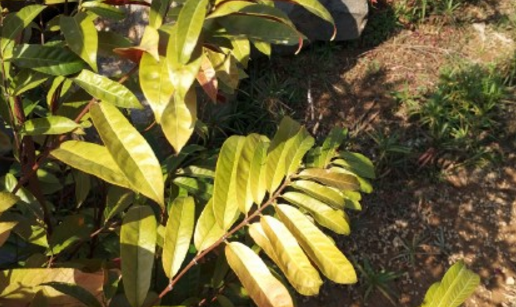
Red-backed excoecaria is Excoecaria cochinchinensis, an evergreen small shrub in the Euphorbiaceae family, named for the red underside of its leaves. So is red-backed excoecaria poisonous? What are its cultivation methods and precautions? What are the uses of its leaves? According to available information, red-backed excoecaria is not poisonous, but it is a carcinogenic plant, so it is best not to keep it indoors for long periods. Experiments show that the “Epsteln-Barr virus early antigen inducer” contained in these carcinogenic plants can induce the transformation of lymphocytes by EB virus, and can promote tumor growth caused by tumor viruses or chemical carcinogens.
I. Is red-backed excoecaria poisonous?
It is not poisonous, but it is a carcinogenic plant, so it is best not to keep it indoors for long periods. Experiments show that the “Epsteln-Barr virus early antigen inducer” contained in these carcinogenic plants can induce the transformation of lymphocytes by EB virus, and can promote tumor growth caused by tumor viruses or chemical carcinogens.
At present, experiments on carcinogenic plants inducing nasopharyngeal carcinoma and esophageal cancer have been confirmed. They not only carry “toxins” throughout their entire body, but the soil in which such plants have been grown has also been found to contain activating substances for carcinogenic viruses and chemical carcinogens.
If such plants are grown in a living space, people may develop cancer due to long-term inhalation of pollen, dust particles and other reasons.
II. Cultivation methods and precautions
Temperature
Red-backed excoecaria is a subtropical plant and is not cold-tolerant. The suitable temperature for growth is between 15-25°C, and the overwintering temperature must not be lower than 5°C.
Light
It tolerates partial shade and prefers scattered light. Avoid strong direct sunlight exposure at all costs. In summer, it needs to be placed in a shaded and ventilated place, which helps maintain the dark green leaf color of red-backed excoecaria.
Watering
Red-backed excoecaria prefers a moist growing environment but dislikes waterlogging. During the growing season, water thoroughly to keep the potting soil and surrounding environment moist, but be careful to avoid water accumulation. In winter, control watering; generally watering once every 7-10 days is sufficient, and the potting soil should be slightly moist to fairly dry.
Fertilizing
When planting or repotting and changing soil, an appropriate amount of compound fertilizer can be applied as a base fertilizer. During the growing season, applying a compound fertilizer containing nitrogen, phosphorus and potassium once about every half month is sufficient. During the flowering period, two sprays of 0.2% potassium dihydrogen phosphate solution can be added. No fertilizing is needed in midsummer and winter.
Soil
It prefers fertile, loose sandy loam with good drainage.
Propagation methods
Two propagation methods can be used: root division and cuttings. The root division method is generally carried out in March and April each year, selecting 2-3 year old seedlings for division and planting. The most common is cutting propagation: select healthy one-year-old branches as cuttings, cut them into sections of three nodes each and insert them into plain soil to a depth of about 23 cm; with shade and moisture retention, they can root in about two months.
Precautions
In terms of pest and disease control, common threats include anthracnose, leaf blight and root-knot nematode disease. For the first two diseases, spraying 65% mancozeb wettable powder at 500 times dilution can be used. For nematode control, 3% carbofuran granules can be applied. Red-backed excoecaria is prone to damage by scale insects, so pay attention to prevention and control.
The cultivation soil must be an acidic soil mix. According to growth conditions, repot generally once every two years. In hot seasons, it is best to keep it under a shade shed for maintenance, and apply an acidic liquid fertilizer once every 2-3 weeks, which can make the branches and leaves lush and keep the leaf color bright.
In winter, the room temperature must not be lower than 12°C, otherwise it will cause a large number of leaves to drop and the plant will enter dormancy, and the tender branches will also wither. If this happens, heavy pruning should be carried out immediately to encourage new branches. When moving it outdoors in spring, protect it from wind, otherwise the leaves are prone to curling and even the leaf margins may dry up.
III. What are the uses of the leaves?
1. Ornamental value of red-backed excoecaria
Red-backed excoecaria, as the name suggests, has a bright red and gorgeous leaf underside, making it an excellent foliage plant. The upper surface of its leaves is emerald green and very glossy, and the whole plant looks like red and green enhancing each other, very beautiful and lovely. As a potted plant placed indoors, it appears beautiful and dignified, has a good beautifying effect on the environment, and gives people a pleasant feeling. Planted in a courtyard or park, its unique color forms a beautiful landscape and is very eye-catching, giving people aesthetic enjoyment.
2. Medicinal value of red-backed excoecaria
The whole plant of red-backed excoecaria can be used as medicine. It has the functions of dispelling wind-dampness, dredging meridians and activating collaterals, and promoting blood circulation to relieve pain. It has a certain effect on treating measles, tonsillitis, angina pectoris, mumps, lumbar muscle strain, traumatic injuries and so on. It can be decocted into soup for internal use, or an appropriate amount of fresh material can be mashed for external use.