Cultivation and Propagation Methods, Precautions and Flower Language of Rhododendron tubiflorum in the Rhododendron Subgenus Hymenanthes
Rhododendron tubiflorum is a plant native to high-altitude regions, and it prefers cool conditions. So what are the cultivation methods and precautions for Rhododendron tubiflorum? How do you propagate it? What is its flower language? According to available information, Rhododendron tubiflorum is fairly adaptable to soil; it likes loose, fertile soil and requires soil rich in humus. However, if the soil is rather heavy and clayey or has poor aeration, its growth may not be very good.
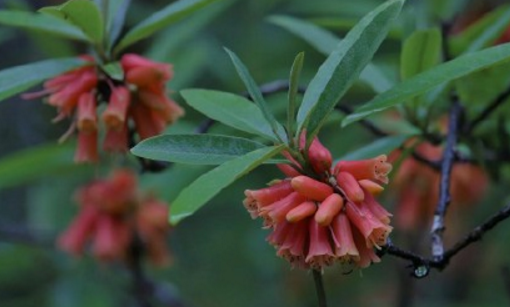
I. What are the cultivation methods and precautions for Rhododendron tubiflorum?
Soil
Rhododendron tubiflorum is most averse to alkaline soil. Choose an acidic soil with good aeration and rich in humus. Growing it in alkaline soil will cause poor growth and, in severe cases, death.
Light
Rhododendron tubiflorum likes light but fears scorching sun exposure; it likes ventilation but fears strong winds. When growing and caring for it indoors, place it in a sunny, well-ventilated spot as much as possible, and it is best if the ambient temperature can be kept between 18-22.
Watering
Rhododendron tubiflorum likes moist soil. Indoors, the potting soil often stays wet without drying out, so watering must be strictly controlled. If the young leaves are found to be slightly wilted, this indicates that the potting soil is already short of water; at this point you can first spray water on the leaves, and afterwards water the roots. In winter, spraying water should be the main method, with watering secondary.
Fertilizing
To maintain the acidity of the soil, normally apply some alum fertilizer water as appropriate, or you can also add a small amount of ferrous sulfate to the water. When repotting the plant, you can add an appropriate amount of slow-release fertilizer.
Precautions:
Watering Rhododendron tubiflorum differs across the four seasons: in winter it is best for the soil to be on the dry side, while in summer the soil should preferably be on the moist side. In spring and autumn the plant grows relatively vigorously, so watering should be sufficient but not excessive.
If you use tap water to irrigate Rhododendron tubiflorum, it is best to let it sit in the sun for one or two days first. Do not water when the soil is not dry; when you do water, water thoroughly.
II. How do you propagate it?
1. Cutting propagation
The most widely used method for Rhododendron tubiflorum is cutting propagation. In May or June, cut off vigorous, semi-lignified new shoots 5 to 8 cm long, remove some of the lower leaves, and keep two to three leaves. The base of the cutting can be dipped in rooting powder, and after treatment, insert it into an acidic soil with good aeration and fertility. Keep the growing temperature at around 20-25 degrees, provide shade, and spray water frequently to maintain humidity, so as to promote the cutting to sprout and root.
2. Softwood propagation
When using the softwood propagation method, first select a 3 to 4 cm softwood shoot as the scion, and use a knife to cut the base into a wedge shape. You can use Rhododendron pulchrum as the rootstock for grafting. After cleft-grafting the softwood shoot, place it under a shady shed and tie it firmly with film, then cover both the rootstock and scion together with a plastic bag to retain moisture.
III. What is the flower language?
One of the flower languages of the rhododendron is——always belong to you. This represents the joy of love. It is said that people who like rhododendrons are very innocent and pure-hearted, and if they can see rhododendrons covering the mountains, it means the god of love has descended.
The second flower language of the rhododendron is——restraint of desire. The biggest reason for this is that the rhododendron only blooms during its flowering period, even though rhododendrons always give people a lively and bustling feeling.
Ethnic minorities in Sichuan call the rhododendron “Suoma flower,” the Miao call it “Maya Wang,” and the Korean ethnic group calls it “Jindalai,” which in Korean means “the flower that blooms forever.”
The rhododendron is one of the most famous flowers in the world today. It is a small shrub in the Rhododendron family, with both evergreen and deciduous types. Rhododendrons are distributed throughout the temperate regions of the Northern Hemisphere. The rhododendron is known as the Xi Shi among flowers; whenever it blooms, it is extremely brilliant, awakening people's longing for a beautiful life. It symbolizes national prosperity and strength and people's happy lives, so rhododendrons are very much loved by people.