How to sow Ceylon spinach (Malabar spinach) on a balcony? Its benefits, value and food taboos
The scientific name of Ceylon spinach is Vietnamese spinach, also known as large-leaf Malabar spinach. So what is the balcony sowing method for Ceylon spinach? What are its benefits and value? What should it not be eaten with? According to available information, Ceylon spinach is a relatively heat-tolerant and humidity-tolerant plant, and it prefers loose, fertile sandy soil. It has low requirements for light, the suitable temperature for growth is between 25°C——30°C, and the soil is required to remain moist.
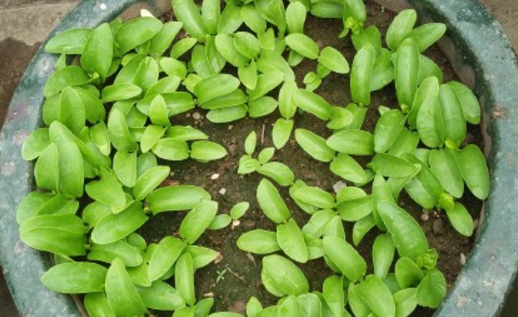
I. What is the balcony sowing method for Ceylon spinach?
1. Sowing temperature for Ceylon spinach
The suitable sowing temperature for Ceylon spinach is 20-25 degrees.
2. Seed treatment for Ceylon spinach
The seed shell of Ceylon spinach is relatively thick and hard, so it is best to soak the seeds before sowing. Pour 45-50 degree warm water into a clean basin, add the seeds and soak them thoroughly for 1-2 days, then scoop out the seeds and place them at a constant temperature of about 30 degrees for germination. When the seeds show white, they can be sown.
3. Sowing Ceylon spinach
Put potting soil into a pot, water it thoroughly with clean water, and evenly scatter the treated seeds on the potting soil. After sowing, cover with a shallow layer of soil, then spray a small amount of water. After sowing, it is best to grow them in an environment of about 30 degrees; usually seedlings will emerge in about seven days.
4. Management after sowing Ceylon spinach
When the seedlings grow one to two true leaves, they can be thinned, removing weak seedlings and keeping strong young seedlings.
When the seedlings grow three to four true leaves, a small amount of nitrogen fertilizer can be applied.
When the seedlings grow four to five true leaves, they can be planted out, following the principle of removing the small and keeping the large.
When the seedlings grow five to six true leaves, they can be harvested.
II. What are its benefits and value?
1. Medicinal value of Ceylon spinach
The whole plant of Ceylon spinach can be used medicinally, with effects of lubricating the intestines, dispersing heat, and promoting urination and defecation. The flowering branches of Ceylon spinach have the effect of clearing blood and detoxifying, and can be used to relieve smallpox toxin. When applied externally, they can treat boils and cracked nipples.
2. Edible value of Ceylon spinach
The leaves of Ceylon spinach contain a variety of vitamins, as well as nutrients such as calcium, iron and phosphorus. Its leaves, seedlings and tender stems can all be eaten. The taste is fresh and tender, fragrant and crisp, but note that people with a cold spleen and pregnant women should not eat it.
3. Ornamental value of Ceylon spinach
Ceylon spinach is a trailing herbaceous plant with purple-red stems and leaves, light red flowers, and purple-black fruits. It looks very cute and can be placed in courtyards and balconies for decoration and beautification.
4. Beauty value of Ceylon spinach
The seeds of Ceylon spinach can be made into face cream, which has the effect of moisturizing the skin. Soak the powder in Ceylon spinach juice and use it as a facial mask to make the complexion more beautiful.
III. What should it not be eaten with?
1. Who should not eat Ceylon spinach
People with bleeding disorders, diarrhea, and pregnant women should eat it with caution.
2. Suitable people for Ceylon spinach
Generally, all people can eat it. It is especially suitable for patients with cardiovascular and cerebrovascular diseases and stone disease, and is particularly suitable for people with iron deficiency, miners, metallurgical workers, textile workers and barbers.
3. Dietary taboos of Ceylon spinach
If there are many small black spots on Ceylon spinach, it is best not to eat it; such Ceylon spinach has already lost its edible value. Ceylon spinach cannot be eaten with milk, as it will affect calcium absorption. Ceylon spinach cannot be eaten with tofu, as it will destroy nutrients.