How to grow Sandersonia (Christmas Bells) seeds? Detailed guide to propagation methods and uses
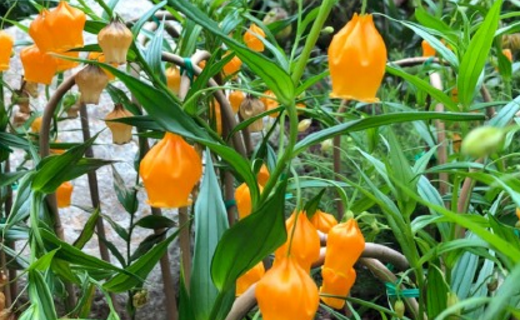
Sandersonia, also known as Christmas bells, lantern flower, Chinese lantern flower, etc. So how do you grow Sandersonia seeds? What are the propagation methods? What are its uses? According to available information, Sandersonia seed propagation yields very few germinating seeds, but the seed harvest is still plentiful. Generally, it needs to go through pollination before capsules can grow on the flower stems, and each capsule can yield around sixty seeds.
I. How to grow Sandersonia seeds?
Introduction
Sandersonia seed propagation yields very few germinating seeds, but the seed harvest is still plentiful. Generally, it needs to go through pollination before capsules can grow on the flower stems, and each capsule can yield around sixty seeds. Although its seed germination rate is very low, if treated with gibberellin, the germination rate will be greatly improved. After the seeds are planted, germination takes a very long time, generally requiring two years, because the seeds have deep dormancy, which is why it takes so long.
Soil selection
You must choose soil with good drainage, smooth air circulation and high organic nutrient content. If the soil pH is too low, alkaline chemicals need to be used to neutralize it. This method can both raise the soil pH and kill harmful insects and various harmful fungi, and can further promote seed germination. If the soil is found to be relatively alkaline, acidic agents need to be used to neutralize it.
Environmental requirements
After the seeds are planted, the most suitable temperature for germination is around 20°C, and the maximum must not exceed 25°C. If the temperature is too high, the germination rate will be lower, and even after germination the seed roots are prone to rotting. In summer, the soil must be kept cool at all times. At night, note that the temperature must not fall below 15°C, as this will also lead to a low germination rate and make it hard for seedlings to emerge, so in winter, heating and insulation are needed.
Light management
After the seeds are planted, some light can be given appropriately, but not too much. Sometimes shading is also needed in summer.
II. What are the propagation methods?
There are two commonly used propagation methods for Sandersonia: seed propagation and tuber propagation
Seed propagation
The germination rate of seed propagation is relatively low. After a series of pollination, Sandersonia can produce 8-12 capsules on each flower stem, and each capsule contains about 60 seeds. The germination rate of Sandersonia seed propagation is relatively low, but if treated with gibberellin, the germination rate of Sandersonia will be improved. Seed propagation and germination are rather troublesome, usually taking about two years to sprout, because the seed coat is relatively hard and the dormancy is deep. Therefore, seed propagation is not as convenient as tuber propagation.
Tuber propagation
When Sandersonia is propagated by tubers, the tubers selected should weigh at least about 5 grams. Generally speaking, the heavier the tuber, the taller the plant will grow and the more flowers it will produce.
When Sandersonia is propagated by tubers, each bulb with two growth points can produce two new daughter bulbs, but the propagation rate of this method is relatively low. During growth, the daughter bulbs will produce secondary bulbs, but the secondary bulbs easily detach from the daughter bulbs, causing the daughter bulbs to lose their growing capacity.
III. What are its uses?
1. Medicinal value of Sandersonia
The medicinal uses of Sandersonia have traditionally been applied all along. For example, the Zulu people used the rootstock of Sandersonia as an aphrodisiac, or used the leaves of Sandersonia for bathing, thereby having effects such as removing grime and refreshing the body. In addition, research has shown that most parts of Sandersonia contain the compound colchicine, so this plant is considered to have a certain potential toxicity; used properly it is a medicinal material, used improperly it is a poison.
2. Ornamental value of Sandersonia
Sandersonia has a unique form, bright colors, and is small and exquisite, very lovely, attracting people to stop and admire it, so its ornamental value is extremely high. Besides being enjoyed as a garden landscape, it is also used as a cut flower material, and in bouquet design and styling it often becomes a symbol that emphasizes texture. In addition, Sandersonia is also a commonly used material for bridal bouquets; its orange-yellow flower bells and fresh green stems and leaves, along with its exquisite and handsome shape, are pleasing to the eye.
3. Cultural value of Sandersonia
In traditional culture, Sandersonia is often given the meaning of resisting the intrusion of evil. In addition, the flower language of Sandersonia includes joy, celebration, true feelings and longing for home. Here it must be mentioned that the etiquette for giving Sandersonia flowers is as follows: first make two or three Sandersonia flowers into a mini bouquet, then wrap it with white silk gauze, then tie it with a thin yellow silk ribbon, and finally place it in a gift box. If possible, you can also tie a yellow satin ribbon or bow on the gift box.