Hydroponic Methods for Lotus Bamboo (Liliales), Differences from Lucky Bamboo, and Its Uses
Lotus bamboo is well suited for home greening and decoration, placed on windowsills, balconies and desks. So what are the hydroponic methods for lotus bamboo? How does it differ from lucky bamboo? What uses does it have? Based on available information, lotus bamboo is a plant that prefers warmth, humidity and diffused light, and well-drained sandy loam that is shady and moist is most suitable; it fears waterlogging, and its optimum growth temperature is 22—30℃. Leaves turning yellow and gradually dropping off may be caused by too much light or insufficient watering.
I. What are the hydroponic methods for lotus bamboo?
Cutting the cuttings
Remove leaves from the base and cut at a slant: before placing in the vase, remove the leaves from the base of the cutting, and use a sharp knife to cut the base at a slant; the cut should be smooth, to increase the area for absorbing water and nutrients.
Controlling the water volume in the hydroponic container
Control the water volume and be selective about the water used; the water only needs to fill about one-third to two-thirds of the bottle. Also, before roots grow, change the water frequently, about once every 3-4 days; after rooting, you hardly need to change the water at all, just add an appropriate amount of water to the bottle. In summer and other dry weather, you should spray the leaves with water more often.
Notes:
Temperature control
You need to get the indoor water-culture temperature for lotus bamboo right, because lotus bamboo prefers warmth, with 16°C to 25°C being moderate; it is not suitable for keeping in cold places, so take good measures against freezing.
Light and ventilation
Lotus bamboo needs enough lighting time; even when grown indoors, it should be exposed to sunlight to a moderate degree, simply placed in a ventilated spot with ample light.
Lotus bamboo needs fertilizing
Some flower enthusiasts, when buying lotus bamboo, were told by the seller that it only needs to be grown in clean water, so they did not fertilize it, and later the leaves turned yellow. In fact, hydroponic lotus bamboo also needs fertilizing.
It depends on the actual situation; on average, fertilize about once every 30 days. Moderate fertilizing can keep its leaves glossy green and spreading for a long time, or you can add an appropriate amount of nutrient solution.
II. How does it differ from lucky bamboo?
1. Appearance
Lucky bamboo is an ornamental plant belonging to the small trees, usually able to grow to a height of 2 m, and its branches and trunk look relatively slender. It also has many branches, and the main stem grows relatively thick and rather straight, making it look very attractive. Its leaves are like bamboo leaves, generally growing in opposite pairs, rather pointed and slender, and relatively dark green in color; the leaves generally reach more than 20 cm in length, and the petioles are relatively short at generally 10 cm. Lucky bamboo can flower and fruit, with the colors being purple and black.
The leaf color of lotus bamboo is lighter than that of lucky bamboo; its stem is round like bamboo, and its leaves are like lotus. Lotus bamboo can survive in dark and damp environments and has relatively strong vitality; as long as it is watered properly, it can grow healthily and vigorously.
2. Growth habits
Lucky bamboo is better suited to a warm growing environment; it can grow normally when the temperature reaches around 20°C, and it is an evergreen plant all year round. Too low a temperature easily prevents the roots from absorbing water well, causing leaves to turn yellow or develop spots, so normal light and temperature must be ensured.
The suitable growing temperature for lotus bamboo is around 26 to 29°C; in winter, the lowest nighttime temperature must be above 10°C. Lotus bamboo relatively prefers humid environments, and it can grow simply by being placed in a spot with diffused sunlight; keeping the soil breathable and well-drained allows it to grow better and faster.
III. What uses does it have?
1. Use of lotus bamboo: home decoration
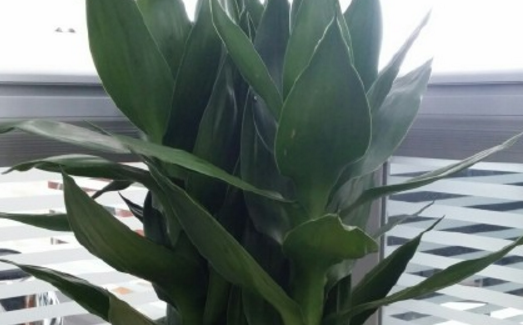
Lotus bamboo has emerald-green leaves and straight stems that are round like bamboo. Its leaves are ovate with pointed tips, and the leaf bases clasp the stem. It is suitable for water culture and potting. Its ornamental value is extremely high, and it is one of the few greenery and decorative items that can be placed indoors for a long time. Lotus bamboo has a short plant form and is suitable for home greening and decoration, placed on windowsills, balconies and desks; it can also be used in rows as accents in halls, and as a filler in cut-flower arrangements.
2. Use of lotus bamboo: purifying the air
Lotus bamboo can absorb harmful gases such as ammonia, acetone, benzene, trichloroethylene and formaldehyde, and its distinctive plant form placed on an office desk has the effect of relieving eye fatigue.
Lotus bamboo, which can purify the air, is perfect for placing in a newly renovated home. For office relocations, you can also place two pots, which both adds to the festive mood of moving and helps ease the sense of unfamiliarity brought by the new environment.
3. Use of lotus bamboo: application in feng shui
The flower language of lotus bamboo: wealth and good fortune, rising step by step, and lasting youth.
Lotus bamboo has extremely high ornamental value and is one of the few greenery and decorative items that can be placed indoors for a long time. Lotus bamboo combines the meanings of “flowers blooming bring wealth” and “bamboo brings peace”, making it the best gift for family and friends. It can also be given for a company relocation, carrying the feng shui meaning of prospering wealth.