How to Grow Dwarf Lilyturf: Cultivation Methods, Precautions, Main Value and Medicinal Benefits
Dwarf lilyturf is a perennial evergreen herbaceous plant of the genus Ophiopogon in the family Liliaceae. Ophiopogon japonicus is native to China, and is also distributed in Japan, Vietnam and India. It is cultivated in southern China and other regions. So do you know what the cultivation methods and precautions for dwarf lilyturf are? What is its main value? What are its medicinal benefits?
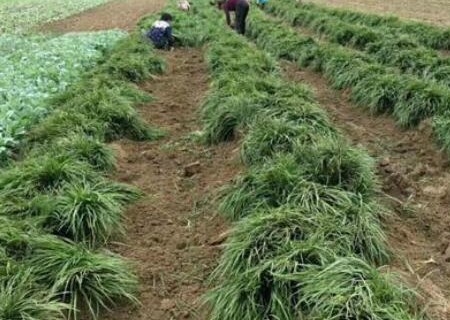
I. Cultivation Methods and Precautions for Dwarf Lilyturf
1. Cultivation Methods for Dwarf Lilyturf
Dwarf lilyturf is planted as soon as it is harvested. When planting dwarf lilyturf, we generally choose a sunny evening or a cloudy day, when the sunlight is not too strong. We only need to plant the seedlings of dwarf lilyturf in the prepared soil. Note that when planting the seedlings, the roots should be kept as vertical to the ground as possible. After planting, press the soil down firmly so that the roots of the dwarf lilyturf are closely combined with the soil, and then water immediately to settle the plants.
After planting the seedlings, it takes about fifteen days to confirm that they have survived, and at this point we should loosen the soil and weed once. After that, choose a sunny day each month to carry out weeding work.
Dwarf lilyturf needs a relatively large amount of fertilizer. We should fertilize dwarf lilyturf reasonably, generally three times a year, choosing to fertilize in July, August and November.
Dwarf lilyturf also has a relatively large water requirement, so it should be watered in time. Dwarf lilyturf prefers a cool and moist environment, so when planting dwarf lilyturf we should pay attention to providing it with shade.
2. Precautions for Planting Dwarf Lilyturf
Dwarf lilyturf has a very large water requirement during its growth period. Increasing the amount of watering during the growth period of dwarf lilyturf helps the tubers of dwarf lilyturf to swell.
Dwarf lilyturf also needs sufficient light. Light is very important during the tuber enlargement period, and sufficient sunlight must be provided during this period.
Dwarf lilyturf also has special requirements for soil. Dwarf lilyturf should be planted in sandy soil with good drainage and sufficient fertility. The soil should be kept at a slightly alkaline pH, and the soil viscosity should not be too high. Only in this way can it help the growth of the dwarf lilyturf tubers.
II. What Are the Main Values of Dwarf Lilyturf
1. Landscaping Role
Although dwarf lilyturf has no delicate and colorful flowers - its flowers are very plain, light purple - dwarf lilyturf is very easy to plant, and it is evergreen all year round, very cold-resistant and very drought-tolerant. On the other hand, dwarf lilyturf is not prone to pests and diseases, so it is very suitable as urban greenery. In addition, although common varieties of dwarf lilyturf are unremarkable in appearance, in recent years new varieties of dwarf lilyturf with higher ornamental value have gradually been cultivated, making them even more suitable for garden viewing.
2. Economic Value
The tubers of dwarf lilyturf have many benefits and are a relatively precious Chinese herbal medicine, so it is an economic crop of relatively high value and has a wide range of uses in traditional Chinese medicine. It does have a certain economic value.
3. Medicinal Value
In traditional Chinese medicine, the nature and flavor of dwarf lilyturf are sweet, slightly bitter, and slightly cold in nature. When used as medicine, dwarf lilyturf has the effect of nourishing the lungs. Dwarf lilyturf can moisten the lungs and clear the heart, resolve phlegm and relieve cough, and can also suppress vomiting. In the "Compendium of Materia Medica", Ophiopogon is considered an excellent medicine for nourishing yin and moistening the lungs. Ophiopogon can also nourish the stomach. If there is a situation of loss of appetite, Ophiopogon can also be used to stimulate appetite and promote eating.
Ophiopogon is generally used to treat symptoms such as dry cough due to lung dryness, restlessness and insomnia, and constipation due to intestinal dryness. Ophiopogon also has a good preventive and therapeutic effect on cardiovascular and cerebrovascular diseases. Ophiopogon can lower blood sugar and resist arrhythmia, and is very good for the elderly. However, Ophiopogon should not be taken for a long time, as it is prone to side effects, and it should be taken under the guidance of a doctor.
III. What Medicinal Benefits Does Dwarf Lilyturf Have
Medicinal Uses of Dwarf Lilyturf:
The "Shennong Bencao Jing" already contains an introduction to dwarf lilyturf. In traditional Chinese medicine, it is generally believed that Ophiopogon is sweet in flavor, slightly bitter, and cold in nature. Long-term moderate consumption can prolong life and strengthen the body.
Main Symptoms Treated by Dwarf Lilyturf:
Dwarf lilyturf has the health-preserving effects of stopping vomiting, promoting digestion, calming the spirit and stabilizing qi, and can also nourish the blood and tonify the kidneys and strengthen the body. In addition, it has a nourishing effect on important organs of the human body such as the cardiovascular system, lungs and stomach. It has good therapeutic effects on conditions such as lung disease, myocardial infarction, kidney deficiency, diabetes, and summer heat in children damaging the stomach.
How to Consume Dwarf Lilyturf:
1. Codonopsis and Ophiopogon Lean Pork Soup
Wash the codonopsis, rehmannia, red dates and ophiopogon. After washing the pork and cutting it into pieces, put it into a pot, add an appropriate amount of clean water, bring to a boil over high heat, then simmer over low heat for 1 hour. Add an appropriate amount of seasoning according to personal taste.
Codonopsis and ophiopogon lean pork soup has the effect of nourishing yin and nourishing the stomach, and can strengthen the spleen and promote body fluid production.
2. Ophiopogon Porridge
After washing the ophiopogon and ginger, add just enough water to cover the surface and soak them. Once the ingredients have absorbed the water, crush them and wrap them in clean gauze.
Squeeze the gauze bundle to extract the juice and set it aside.
Put the rice and coix seed into a pot to cook porridge. When half-cooked, pour in the juice extracted earlier and continue cooking until done. If you find this too complicated, you can also directly crush the ophiopogon and ginger and put them into the pot to cook together.