What are the contraindications for drinking globeflower (Trollius chinensis) steeped in water? How to water and fertilize it? How to grow it from seed?
Globeflower (Trollius chinensis) is a plant in the genus Trollius of the buttercup family (Ranunculaceae), and it is a Chinese herbal medicine with a certain degree of toxicity. So what are the contraindications for drinking globeflower steeped in water? How to water and fertilize it? How to grow it from seed? According to the available information, when drinking globeflower you should be careful not to drink too much, for every medicine has some toxicity. This is especially true for people diagnosed in traditional Chinese medicine as having deficiency-cold of the spleen and stomach; for example, some people feel uncomfortable in the stomach after eating something cold, and their digestive function is not particularly good either, so such people must be cautious and had best not drink it at all.
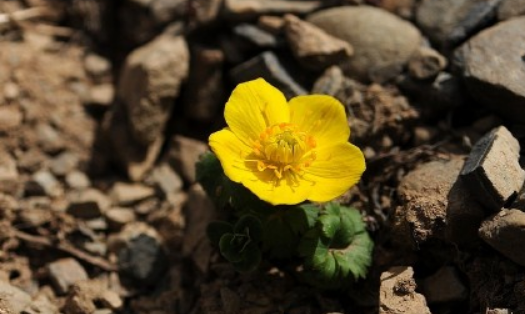
I. What are the contraindications for drinking globeflower steeped in water?
Globeflower (Trollius chinensis) is a plant in the genus Trollius of the buttercup family (Ranunculaceae), and it is a Chinese herbal medicine with a certain degree of toxicity. Therefore, when steeping it in water to drink, it must be taken carefully according to the method so that it can exert its effect, and it must never be taken carelessly or without restraint. From the perspective of traditional Chinese medicine, globeflower is characterized as bitter and cold, which is to say that globeflower tastes bitter and its medicinal nature is cold, and it has the effect of clearing heat and detoxifying.
When drinking globeflower you should be careful not to drink too much, for every medicine has some toxicity. This is especially true for people diagnosed in traditional Chinese medicine as having deficiency-cold of the spleen and stomach; for example, some people feel uncomfortable in the stomach after eating something cold, and their digestive function is not particularly good either, so such people must be cautious and had best not drink it at all.
From the above explanations about globeflower, you probably now have some understanding of its medicinal value, but globeflower must not be misused, and people with deficiency-cold of the spleen and stomach should take it with caution. The above covers the effects of globeflower as well as its side effects. I hope that when consuming globeflower products, everyone will first read the instructions and grasp the precautions described above.
II. How to water and fertilize?
1. Watering globeflower
Globeflower is a plant that grows in a cool and moist environment, so when cultivating globeflower at home you must firmly remember that globeflower likes moisture but cannot tolerate waterlogging. Therefore, the soil moisture for globeflower should be kept at around 50%, and the principle of watering frequently but lightly should be followed. In spring and autumn, water once every 2-3 days or so; in summer, water once a day and frequently spray water on the leaves to maintain good humidity for globeflower.
2. Fertilizing globeflower
During the growing period, fertilize globeflower about once a month; a 20% decomposed soybean cake water can be used as the fertilizer. During the flowering period, globeflower can be fertilized once every half a month, and fertilize once after the flowers fade. Generally speaking, there is no need to fertilize globeflower in summer; fertilizing once in late autumn and early winter can benefit globeflower's growth the following year.
III. How to grow from seed?
Steps for treating the seeds before planting
1. Because the seed coat of this plant is rather thick, if you want it to sprout quickly you must first remove the thick seed coat. At this point you need to prepare a basin of water at around 40 degrees, put them into the water and soak for about 12 hours.
2. After soaking, prepare a pair of tweezers and carefully remove the outer coat of the seeds. You must remove it very carefully and must not damage the inside of the seed.
3. After removing it, continue to put it back into water and soak for another 12 hours; at this time the amount of water should preferably not cover the seeds.
4. After soaking, take out a sheet of unscented paper towel, fold it into 6 to 8 layers, then place the paper towel on a small dish and moisten it with clean water; note that it is best to soak the paper towel thoroughly. Then place the already soaked seeds in the middle of the paper towel and press down gently.
5. Finally, prepare a clean, transparent food bag, put the small dish together with the paper towel and seeds inside, tie the food bag tightly, and give it 15 to 30 minutes of airing each day.
6. If you use the paper towel method to force the sprouts, the sprout tips will generally emerge in about two to seven days. Wait until the sprout tips are two millimeters long, and then you can plant them in the soil.
Steps for planting the seeds:
1. Prepare soil that drains well, does not hold standing water, is nutritious, and allows the roots to breathe well.
2. When planting, leave proper spacing between the seeds, deciding whether to make it more compact or more sparse according to the adult plant form you want to see.
3. Scatter the seeds evenly over the soil layer; there is no need to water much, just keep the soil moist enough, because this plant likes moisture and has relatively poor tolerance to waterlogging.
4. Choose a good sowing time. If sowing in spring, since summer temperatures are too high and not conducive to this plant's growth, spring sowing should be relatively early, preferably from the first ten days of February to the first ten days of March. If you choose to sow in autumn, then sow from the last ten days of September to the first ten days of October.