How to Grow Roselle (Hibiscus sabdariffa) from the Malvaceae Family: Cultivation Methods, Precautions, and the Benefits of Drinking It as Tea
The flower language of roselle is the feeling of being in love. So what are the cultivation methods and precautions for roselle? How do you brew it as tea? What are its benefits? According to available information, roselle likes light and prefers a relatively warm environment, generally growing best between 25°C——30°C. Roselle is relatively drought-tolerant. When growing roselle, be careful to avoid waterlogging, so as to prevent pests and diseases.
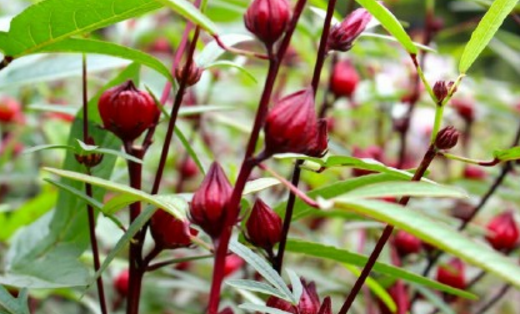
I. Cultivation Methods and Precautions for Roselle
Light for Growing Roselle
Roselle is a plant grown under shaded conditions, so the number of daily sunlight hours affects its growth, and sunshine hours have an extremely significant effect on the flowering stage of the buds.
Humidity for Growing Roselle
Roselle is a plant that relatively prefers dry soil. Generally speaking, if it is grown in an environment with sufficient water and sufficient fertilizer, it is highly prone to disease, while growing it in a relatively dry environment actually makes it grow more vigorously.
Soil for Growing Roselle
Roselle does not have very high requirements for soil and can survive in soil of ordinary fertility. If grown in soil with good fertility, it will have more branches but is prone to lodging, while if grown in relatively poor soil, it will develop the disease of albino seedlings. Therefore, the best soil for growing roselle is semi-weathered yellow earth.
Temperature for Growing Roselle
The most suitable temperature for roselle seed growth is between 20°C and 25°C, and it can germinate when the average daily temperature is around 16°C.
Pest and Disease Control for Roselle
Roselle does not have many pests and diseases. The more common ones include: cabbage caterpillars, aphids, etc., and the diseases include fusarium wilt, albino seedlings, etc. Be sure to control them promptly.
II. How Do You Brew It as Tea?
Steps for Brewing Roselle Tea
Step 1: Pick the calyx together with the fruit. If you do not have fresh fruit, you can also choose to buy dried roselle flower tea directly from the supermarket, which is more convenient.
Step 2: Sun-dry for 1 day, wait for it to dehydrate, then separate it from the calyx, spread it out on a clean mat or bamboo basket and dry it in the sun.
Step 3: Prepare some honey, mint leaves, or some other food ingredients you like.
Step 4: Take about 6 grams of dried roselle flowers, add an appropriate amount of mint leaves, and steep them in boiled hot water for about five minutes. After the tea has cooled to warm, you can add an appropriate amount of honey according to your own taste and stir it, and a delicious and healthy roselle afternoon tea is ready!
III. What Are Its Benefits?
1. Roselle can promote digestion
Roselle is rich in various plant acids, such as amino acids, malic acid, vitamin C, and so on, which can stimulate the secretion of gastric acid and promote digestion. In addition, drinking roselle tea has the effect of stimulating the appetite and strengthening the spleen.
2. Roselle has the effect of clearing heat and reducing internal heat
Roselle is cool in nature and can clear heat and reduce internal heat. Especially in the hot summer, eating roselle can relieve summer heat and is very beneficial for the throat.
3. Roselle has a diuretic effect
The water extract of roselle is weakly alkaline and can promote urination. As a food, it is mainly consumed as tea.
4. Roselle can promote blood circulation and resolve blood stasis
Roselle contains many minerals and a large amount of iron, which can promote blood circulation and accelerate blood metabolism, and has the effect of promoting blood circulation and resolving blood stasis. Roselle can also promote the hematopoietic function of bone marrow. It is also suitable for patients with anemia.
5. Roselle has the effect of beautifying the skin and removing spots
Roselle is rich in vitamins, protein, and so on, and has a certain antioxidant effect, which helps eliminate pigment under the skin and aids the recovery of spots and marks. The skin can become smoother and more delicate, producing a beautifying and skin-nourishing effect.
6. Roselle can protect and nourish the liver
The glutathione and anthocyanins contained in roselle can protect the liver and enhance the detoxification function of liver cells.
7. Roselle has the effect of lowering blood pressure
The various organic acids contained in roselle can lower blood pressure and promote urination to reduce swelling. People with high blood pressure are very well suited to drinking roselle tea.
8. Roselle can also be used against cancer
Roselle contains anti-cancer components such as protocatechuic acid, anthocyanins, and roselle polyphenols. These extracts can inhibit the progress of oxidation in the body and inhibit the appearance and growth of cancerous cells in the body.