Yucca Cultivation Methods and Precautions, Including How to Handle Failure to Set Fruit and Its Uses
Yucca is also known as soft-leaf yucca, hairy-edged yucca, and false pineapple. So what are the cultivation methods and precautions for yucca? What should be done if it flowers but fails to set fruit? What uses does it have? According to available information, the most important value of yucca is its ornamental role. The yucca's flowers and leaves are both beautiful, and the plant has a peculiar form. When it blooms, the tall flower stalks are covered with pure white flowers, and the flowers hang down like little bells, and the flowering period can last a fairly long time. Therefore, yucca is an excellent ornamental garden flower and also a very good material for cut flowers.
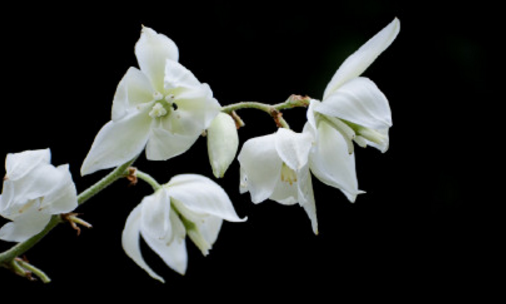
I. What Are the Cultivation Methods and Precautions for Yucca?
Cultivation Methods for Yucca
Yucca is a plant that is relatively easy to keep alive. For plants grown from cuttings and plants raised by division, dig them out intact. While digging, be careful to protect the root system as well as the soil attached to the roots. Then place the dug-out yucca plant into the potting soil, and after watering it several times, it will come back to life. For yucca, be sure to do proper fertilizing work.
Precautions
Growing Environment
The potting soil for planting yucca should be loose, well-draining, and rich in nutrients and humus, so as to ensure that the yucca has sufficient nutrition and grows well.
Sunlight and Temperature
Yucca is a plant that likes a mild environment with good light, but remember not to let direct sunlight hit the potted yucca. In winter, be careful to keep the growing temperature for yucca from getting too low; keeping it at around 10 degrees Celsius is enough.
Water Conditions
Yucca is a plant that likes a moist environment, so make sure it has sufficient water, but do not let water accumulate in the pot, as this will affect the air permeability of the yucca's potting soil and cause root rot, which can lead to the death of the entire plant.
Pests and Diseases
Yucca is relatively seldom affected by pests and diseases, but preventive measures should still be taken. If pest or disease problems appear, carry out pesticide treatment promptly.
II. What Should Be Done If It Flowers but Fails to Set Fruit?
If yucca flowers but fails to set fruit, the most important thing is still to solve the pollination problem in order to increase the chance of seed setting. There are actually two methods to solve this.
First, when growing yucca, carry out artificial pollination during its flowering period, on sunny days, from 8 a.m. to 4 p.m., using small tweezers to remove the stamens and apply the pollen to the stigma of the pistil to complete pollination.
Second, during the yucca's flowering period, cut off some of the flowers, which makes it easier for insects to pollinate inside the flowers.
In addition, asexual propagation can be used, such as division or cuttings, and then there is no need to worry about it flowering but failing to set fruit.
III. What Uses Does It Have?
1. The Ornamental Value of Yucca
Yucca is a very beautiful flower. Its trunk shape is rather peculiar, and when it blooms, the flower shape is very graceful, giving off waves of delicate fragrance. It is a good ornamental tree and can also serve as a good material for cut flowers. Because of its beautiful form, yucca is often planted in very conspicuous positions, such as the center of flower beds and other main locations.
2. The Ecological Role of Yucca
Yucca can absorb some toxic gases, such as sulfur dioxide, hydrogen fluoride, and other harmful gases, and has a good absorption and purifying effect on them. Therefore, in some areas with relatively serious pollution, yucca is planted on a large scale, and yucca is often planted along roadsides, in protective isolation belts, and other such places, to purify air pollution and improve air quality. In today's society, where air quality is getting worse and worse, we should increase the amount of yucca planted, and plant it in useful locations, so as to bring its unique role into play.
3. The Landscape Role of Yucca
Yucca also has a special function: it can serve as a plant for greening rooftops. It adds a patch of green to the rooftop, being both beautiful and achieving the effect of purifying the air. Why not do it?