Peperomia axillaris: How to Grow It at Home, Precautions, and Dealing with Leaf Drop and Stem Rot
Peperomia axillaris is a succulent plant in the genus Peperomia, family Piperaceae, and spring and autumn are its growing seasons. So what are the home growing methods and precautions for Peperomia axillaris? What should you do if it drops leaves? What should you do if the stem rots? According to available information, Peperomia axillaris is native to Peru and needs a sunny, cool and dry environment; it tolerates partial shade, fears waterlogging, and dislikes muggy, humid conditions. It grows in the cool season and goes dormant during high summer temperatures and low winter temperatures.
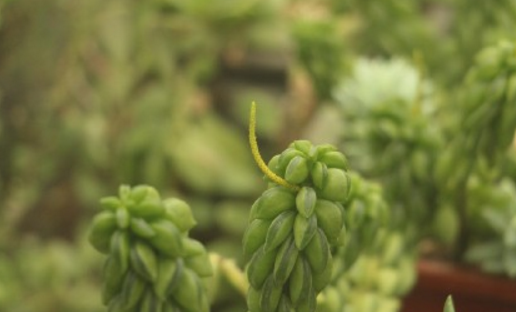
1. What are the home growing methods and precautions for Peperomia axillaris?
Temperature
Peperomia axillaris grows well in a warm, dry, partially shaded environment. It tolerates drought but not cold, and both scorching sun and excessive shade can cause irreversible damage to the plant. It grows well in bright light without direct sunlight. The optimal growing temperature is 18-28°C.
Soil
Peperomia axillaris can be planted in a mix of 1 part leaf mold and 1 part peat soil. This combination gives good soil drainage and is suitable for the growth of Peperomia axillaris.
Watering
Spring and autumn are the growing seasons for Peperomia axillaris, so you can water it thoroughly, but avoid water accumulating in the pot.
When temperatures are high in summer, the plant's growth stalls and it needs only a small amount of water.
When the winter temperature drops to 5°C, you must stop watering, otherwise the plant's roots will rot.
Light
Peperomia axillaris is a light-loving plant. With insufficient light, it easily becomes leggy, the distance between leaves lengthens greatly, the plant's shape becomes loose, and the stems become very fragile.
By contrast, plants grown in a sunny spot have a short, sturdy shape, the leaves are arranged more compactly, and Peperomia axillaris grows slowly.
Propagation methods
Beheading, leaf cuttings, stem cuttings, and division are all possible.
Stem cuttings are the main propagation method for Peperomia axillaris. Cuttings root in 15 to 20 days, and in a greenhouse they can be taken year-round.
Fertilizing
Peperomia axillaris can be given a diluted liquid fertilizer once a month.
In spring and autumn, water thoroughly and apply diluted liquid fertilizer later on.
Precautions:
Precautions during high summer temperatures
When the summer temperature exceeds 35°C, the whole plant's growth basically stalls. At this time, reduce watering to prevent root rot caused by the potting soil being too wet. Also increase ventilation, provide appropriate shade, and avoid scorching sun.
When to repot Peperomia axillaris
Peperomia axillaris grows relatively slowly, so repotting once every 2-4 years is about right. Repot in early spring before the first watering.
Choosing the season for Peperomia axillaris cuttings
Peperomia axillaris can be propagated by cuttings year-round in a greenhouse. However, for cuttings in a natural environment, choose spring or autumn.
2. What should you do if it drops leaves?
1. Treat the cause according to the season of leaf drop: lack of water in spring and autumn
If Peperomia axillaris drops leaves in spring or autumn, it is probably caused by lack of water. When caring for it during the spring and autumn growing seasons, be careful to keep the potting soil slightly moist. If it lacks water, the leaves will fall from where they join the branches and leaves, and the plant will be in poor condition.
For leaf drop in spring and autumn, just water it appropriately and it will be fine.
2. Treat the cause according to the season of leaf drop: too cold in winter
When winter temperatures are low, Peperomia axillaris protects itself by dropping some leaves, reducing the supply of nutrients and water, and keeping its growth at a certain level.
There is no need to worry about leaf drop for self-protection; just move the potted Peperomia axillaris to a place where the temperature is above 5°C.
3. What should you do if the stem rots?
1. Cause of stem rot in Peperomia axillaris: insufficient light
Peperomia axillaris is a light-loving plant, and with insufficient light it easily becomes leggy. A leggy Peperomia axillaris has a greatly increased distance between leaves, a loose plant shape, and soft stems that rot easily.
Remedy: Cut off the leggy branches and leaves, take cuttings, and let the old plant continue growing in a spot with sufficient light.
2. Cause of stem rot in Peperomia axillaris: frequent watering during cuttings
Stem cuttings are very simple: remove a healthy old branch, let it dry, and insert it into slightly moist sandy soil. But if handled improperly, the stem rots easily. If you water frequently when taking cuttings, the plant's stem will rot.
Remedy: Place the potted cutting in a cool, ventilated place for more than 20 days, keeping the potting soil slightly moist. Once roots have grown, resume normal care.
3. Cause of stem rot in Peperomia axillaris: rain
The stems of Peperomia axillaris can reach 10 cm long. If soaked by rain, most of the rainwater will saturate the stems, causing them to rot.
Remedy: If you did not notice the rain or had no time and did not move Peperomia axillaris indoors, then if you discover it in time, move the pot to a ventilated place to dry out. Do not water it for a short period, and once the potting soil has dried slightly, resume normal care with watering and fertilizing.
If you have already found stem rot, you can use cuttings: cut off the leaves or stems, take cuttings and transplant them, and keep the old plant in a ventilated place to grow.