Cultivation and Propagation Methods, Precautions, and Benefits of Nuphar Japonicum
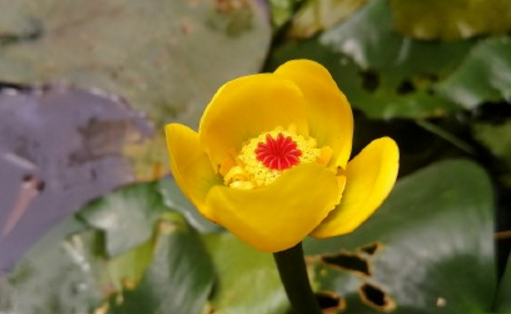
Nuphar japonicum, also known as golden lotus and Nuphar lily, is a plant of the genus Nuphar in the family Nymphaeaceae. So what are the cultivation methods and precautions for Nuphar japonicum? How is it propagated? What benefits and effects does it have? According to available information, Nuphar japonicum prefers a warm, humid, sunny environment and is suited to growing in deep, fertile river mud.
I. What are the cultivation methods and precautions for Nuphar japonicum?
Soil selection for Nuphar japonicum
The Nuphar japonicum plant is not very strict about soil pH and can grow and develop normally under conditions of pH=5.5-7.5. However, fertility is closely related to it: when the soil is fertile, there are more flowers, the colors are brilliant, the flowering period is long, the entire plant grows vigorously, and the ornamental period is long; otherwise, it loses its ornamental value.
Selection of tanks and ponds for Nuphar japonicum
We chose planting conditions with a tank height of 65 cm, a tank inner diameter of 65-80 cm, a pond inner diameter of 1×1 m or 2×2 m, and a depth of 60 cm.
Temperature requirements for Nuphar japonicum
An average temperature of 16.5-21.7°C is most suitable for cultivating seedlings at the seedling stage; the most suitable temperature for plants of the genus Nuphar: the monthly average temperature range is 16.5—24—29—13°C. When the daily average temperature (late November or early December) is about 10°C, the plant stops growing.
Light requirements for Nuphar japonicum
Light has little effect on the growth and development of Nuphar japonicum. It can grow normally under the light conditions in Wuhan.
Pest and disease control
To control Spirogyra (algae), copper sulfate can be sprayed into the water; for aphids, 1000-1200 times dilution of trichlorfon, dichlorvos, or 50% dimethoate emulsion at 2000 times dilution can all achieve an insecticidal effect. For pests such as the tobacco cutworm, spraying 1000-1500 times dilution of deltamethrin on the leaf surface can achieve an insecticidal effect. For snail species, tea cake, quicklime, yellow ginger powder, etc. can all achieve an insecticidal effect. There is also the field management method, namely continuously removing Spirogyra and weeds.
II. How is it propagated?
1. Seed propagation of Nuphar japonicum
Seeds harvested and stored the previous year are artificially germinated in the spring of the following year. The sowing soil is clean mud, with pH between 6.5 and 7.0. Add fertilizer (fully decomposed sesame cake, bean cake, etc. are all acceptable) and mix evenly. After adding water and soaking for 3-5 d (it is best to spread a layer of sand on the surface of the mud), then add water to a depth of 3-5 cm. After the water settles clear, scatter the pre-germinated seeds into it. Add water and change the water in a timely manner according to the growth status of the seedlings, and only transplant when the seedlings grow small coin leaves (floating leaves).
When transplanting Nuphar japonicum, the row spacing is 10 cm per plant and the plant spacing is 15-20 cm, and management during the seedling stage should be strengthened. Only when the plant has grown 4-6 floating leaves (more than 8 cm wide) can it be planted in place. The planting method is one plant per tank (1 plant/sq m). If planted in a large ornamental area and the soil is fertile, it can be planted at 1 plant per 2 m. The storage temperature for Nuphar japonicum seeds is better when kept at 3-5°C, and the germination rate the following year reaches more than 80%.
2. Division propagation of Nuphar japonicum
Asexual propagation is by rhizome propagation and division propagation. Propagation is carried out in March-April, by cutting tubers with the main bud into 6-8 cm lengths, and side buds into 3-4 cm lengths, as propagation material. Division propagation is carried out in May-June, by cutting tubers with the main bud into 6-8 cm lengths, then removing yellow leaves and some old leaves, retaining some adventitious roots for planting. The plants propagated by division quickly enter the growth stage under conditions of sufficient nutrients, that is, they can flower and set seed in the same year.
III. What benefits and effects does it have?
1. Ornamental value
Nuphar japonicum is a typical flowering ornamental plant. Because of its distinctive appearance and aquatic characteristics, it is often used in pond waterscape arrangements at tourist sites. Paired and matched with familiar aquatic plants such as water lilies, Nymphoides peltata, cattails, and yellow flag iris, it also forms a gorgeous and beautiful scenic line on the water surface, attracting attention.
2. Medicinal value
Nuphar japonicum is a plant that can be used as medicinal material. Mainly, when used as medicine, it can strengthen the spleen and improve appetite and can achieve the effect of nourishing the blood and supplementing deficiency. In particular, for modern people's neurasthenia caused by excessive pressure or a fast-paced life, it has a very significant therapeutic effect. It can become an effective medicinal material, safeguarding our bodies.
3. Decorative effect
Nuphar japonicum can not only decorate ponds, but can also be planted in some courtyards or buildings, because Nuphar japonicum not only has ornamental significance in the general sense, but can also play a role in purifying water bodies and achieve the function of effectively utilizing water resources. It is a very good green plant and worthy of our advocacy. The editor also strongly recommends it to everyone.