Rubber Plant Winter Care Methods and Heading-Cut and Fertilizing Techniques
The rubber plant (Ficus elastica) is an evergreen tree of the genus Ficus in the mulberry family, with thick, broad leaves, deep green color and bright red terminal buds, full of charm. The rubber plant has high ornamental value and is a famous potted foliage plant. So do you know what the winter care methods for rubber plants are? How to cut the head? How to fertilize?
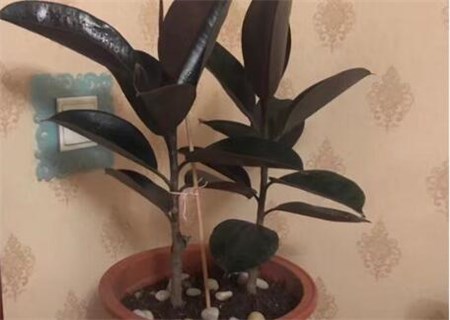
I. What are the winter care methods for rubber plants
1. Winter cultivation methods
In winter, the first thing to pay attention to is temperature. Winter temperatures are very low, so keep the temperature relatively high, and do not let it drop below 5°C at the lowest.
As for light, in general keep it exposed to direct sunlight every day. The rubber plant likes light, so by no means mess around with watering and direct sunlight. In winter, it is generally placed indoors in a spot with sufficient light.
When watering, keep the soil on the dry side, because in winter the rubber plant grows very slowly and no longer needs large amounts of water. The same goes for fertilizing. At this time fertilizer should be applied in moderation, though a little plant ash can be sprinkled on.
2. Precautions for winter cultivation
When cultivating the rubber plant in winter, keep it ventilated, but prevent cold wind. If the rubber plant is accidentally exposed to cold wind, it easily drops leaves and may even die.
In winter you also need to pay attention to humidity, because at this time the rubber plant grows very slowly and consumes less water, so you cannot water too much, and do not let the branches, leaves, potting soil and air be too wet, lest the leaves turn black and the roots rot, causing death.
Actually there is one more thing to note: after the temperature drops, do not rush to move it indoors, but place it indoors and let it endure a period of low temperature first, taking care to protect it from frost.
II. How to cut the head of a rubber plant
1. Rubber plants suitable for head cutting
When cutting the head of a rubber plant, we should observe which rubber plants are suitable for head cutting.
First we should pay attention to the growth state of the rubber plant. Generally the plant must be strong, which can reduce risk and prevent it from dying.
The rubber plant should be kept in a growing state, so that if the head is cut, the plant can grow. Generally, if you want to cut the head, it can be done in summer, because summer is the season of vigorous growth for the rubber plant. If the head is cut at this time, growth will be very vigorous, the time for buds to form is relatively short, and survival is easy.
2. How to cut the head of a rubber plant
Actually, after confirming that the rubber plant is suitable for head cutting, you can cut the head.
Choose the ideal height, then check whether there are bud points below. If there are bud points, it is easier for them to sprout and survive.
Just use pruning shears specially meant for cutting branches to cut the head, and cut off the branch. Note that the wound should be sealed with wax to prevent infection and death.
After the rubber plant's head is cut, generally in about half a month we can see buds, and in about 2 months it can grow fairly well.
III. How to fertilize a rubber plant
1. Summer growing season
The rubber plant grows very vigorously, so midsummer is exactly when the rubber plant grows rapidly. At this time its demand for water and nutrients increases, so we should increase the number of fertilizer applications, using rotted cake soaked into water, then mixing it with liquid fertilizer containing phosphorus and potassium to apply. In spring and autumn, fertilizing is generally done once every 3 weeks, while in summer it can be shortened to once every two weeks. When fertilizing, do it together with watering, so that the rubber plant can grow more healthily and vigorously.
2. Early spring budding period
When early spring arrives each year, tip the soil out of the flowerpot and replace it to ensure the nutrient content of the base fertilizer in the potting soil. At this time the root system can be pruned, then new soil chosen for repotting. If the rubber plant has grown relatively large, choose a slightly larger flowerpot, which will benefit normal growth. If you want the potted rubber plant to grow relatively full, you can pinch out the growing tips during the seedling stage to interfere with it, controlling its height at around 70 cm, which will make the planted rubber plant more attractive.