Growing Methods, Nutritional Value and Dietary Taboos of Andrographis paniculata (Green Chiretta), a Plant of the Acanthaceae Family
The upper surface of the leaves of Andrographis paniculata is green, while the lower surface is grayish-green; both sides are smooth. After about two months of growing, it will also produce a small flower. Though the flower is small, it is very delicate. So do you know how to grow Andrographis paniculata? What nutritional value does it have? What should it not be eaten with?
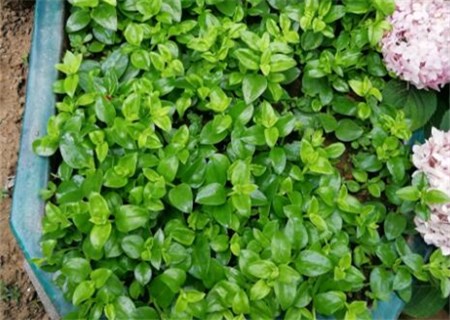
I. How to grow Andrographis paniculata
1. Suitable temperature
Andrographis paniculata likes a hot and humid climate. It likes plenty of sunlight and fertile soil. When the seeds germinate and the seedlings grow, the suitable temperature is around 25-30°C. When the temperature drops to 15-20°C, growth will slow down; when the temperature drops further to around 8°C, it will stop growing. When the temperature falls below 0°C, the whole plant will wither. Therefore, it is best to choose fertile, loose, well-drained sandy soil for cultivation.
2. Transplanting
When Andrographis paniculata grows to about 6 cm tall and has 3-4 leaves, it can be transplanted. Before transplanting, it is best to water the seedbed first so that the seedlings can be lifted with soil, which will give a high survival rate. Transplanting should also be done in the evening or on a cloudy day, with a plant spacing of about 25 cm. After planting, water immediately. Watering once a day is suitable. It is also necessary to loosen the soil slightly for it, which is good for its growth.
3. Fertilizing
(1) Maifanshi (medical stone) fertilizer method: sprinkle a layer of maifanshi granules on the soil in the flower pot. It can not only promote the growth of flowers but also extend the flowering period.
(2) Crushed eggshell fertilizer method: crush eggshells and bury them in the soil of the flower pot. This can make it grow luxuriantly, with bright flowers and abundant leaves.
(3) Cooked soybeans: dig three small holes in the flower pot, put three to five beans in each, about two to three cun deep, and cover them back up.
(4) Rice-washing water: rice-washing water not only does not harm the flower roots but is also a mild compound fertilizer.
4. Pest and disease control
1. Damping-off: it can occur at the 1-2 true-leaf stage. Soil can be treated with 50% carbendazim, or the affected area can be drenched with a 1000-fold dilution.
2. Seedling blight: if it occurs at the 2-3 true-leaf stage, be sure to control the temperature, pay attention to ventilation, and strengthen management of the seedbed.
3. Black stem disease: it generally occurs at the mature-plant stage. Normally, pay attention to draining standing water in time, strengthen management, and by no means practice continuous cropping.
4. Phytophthora blight: during the phytophthora blight period, spray the affected area with 50% carbendazim or a 1000-fold dilution.
In addition, control of cotton bollworm, mole crickets and viral diseases is also essential.
II. What nutritional value does Andrographis paniculata have
Nutritional value of Andrographis paniculata:
Clears heat and detoxifies, cools the blood and reduces swelling. Treats acute bacillary dysentery, gastroenteritis, colds, epidemic cerebrospinal meningitis, bronchitis, pneumonia, whooping cough, pulmonary tuberculosis, lung abscess, cholecystitis, high blood pressure, nosebleeds, swollen and painful mouth and throat, sores, boils and carbuncles, burns and scalds from fire and water, and venomous snake bites.
Effects of Andrographis paniculata:
1. Clearing heat and detoxifying
Used for cough due to lung heat and swollen and painful throat, including upper respiratory tract infections, tonsillitis, bronchitis, pneumonia, etc. It can be used together with honeysuckle and Scutellaria baicalensis.
2. Clearing and transforming damp-heat
Used for damp-heat diarrhea, damp-heat jaundice, and heat strangury with leukorrhea. For damp-heat diarrhea, with symptoms of acute enteritis, abdominal pain, urgent and forceful discharge, watery pouring stools, yellow-brown and foul-smelling, and burning sensation at the anus, it can be used together with Coptis chinensis, talc, and white hyacinth bean; for damp-heat jaundice, with symptoms of yellowing of the eyes and skin, yellow-red urine, distension and fullness in the epigastrium and abdomen, upper abdominal distension and pain, nausea and vomiting, it can be used together with Coptis chinensis, Gardenia jasminoides, Artemisia capillaris, and red peony root; for damp-heat pouring downward, heat strangury, and painful urination, it can be used together with Coptis chinensis and talc; for damp-heat leukorrhea, with symptoms of thick yellow-white or watery yellow discharge, burning and itching of the genital area, it is often used together with Euryale ferox, Rosa laevigata, Phellodendron amurense, and Sophora flavescens.
3. Cooling the blood and reducing swelling
Used for lung abscess, with symptoms of cough, chest pain, and coughing up pus and blood-streaked sputum. It can be used together with Houttuynia cordata, Coix seed, and reed root.
4. Neutralizing snake venom
Used for venomous snake bites; this product can be taken internally or applied externally.
III. What Andrographis paniculata should not be eaten with
Generally speaking, the foods to avoid with Andrographis paniculata mainly fall into two aspects. One is because Andrographis paniculata is a traditional Chinese medicine, and the food properties of those ingredients are not suitable for the digestion and absorption of the medicine in the human body; the other is because Andrographis paniculata is cold in nature, so warming and tonifying ingredients will affect its efficacy.
The ingredients in the first aspect mainly include radish, raw and cold foods, tobacco and alcohol, spicy foods, fishy foods, and greasy foods. Radish has effects such as aiding digestion and breaking qi, which will reduce the medicinal efficacy of Chinese medicine and thus fail to achieve the purpose of treatment. Raw and cold foods are mostly cold and cool in nature, difficult to digest, and easily irritate the gastrointestinal tract, thereby affecting the gastrointestinal absorption of the medicine. The reason for hot and spicy foods is also similar, because they are mostly warm and hot in nature, and the digestion process consumes qi and stirs fire. Greasy foods are mostly sticky and greasy in nature and are also not easy to digest and absorb. At the same time, after greasy foods mix with the medicine, they can further hinder the gastrointestinal absorption of the active ingredients of the medicine, thereby reducing the therapeutic effect.
The foods in the second aspect are mainly some warming and tonifying Chinese medicines. This is because the medicinal nature of Andrographis paniculata is on the cold side. If warming and tonifying Chinese medicines are taken at the same time during medication, the efficacy of Andrographis paniculata will be reduced.