Pothos care requires choosing the best water for watering and eliminating whiteflies or blackflies
Pothos is a relatively common air-purifying plant. Because it can absorb formaldehyde and purify indoor air, it is deeply loved by people. At the same time, it is easy to keep alive and grows quickly, so many people like to place it indoors to decorate their environment. So what kind of water is best for watering pothos? What should you do if whiteflies or blackflies appear? How do you eliminate them?
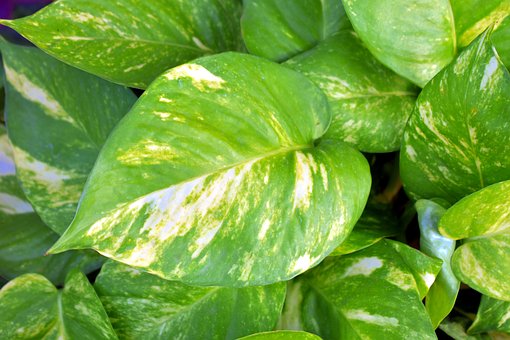
I. What kind of water is best for watering pothos?
1. Aspirin
Many plant lovers probably know about using aspirin to grow flowers. The effect of using it to grow flowers is really first-rate, because aspirin can break down into a substance called salicylic acid in water. It can effectively promote root growth, making the roots thick and strong, and can also achieve the effect of disinfection and sterilization. First, soak one aspirin tablet in 1 kg of water. After it dissolves, use it to water the pothos. Water about once every 2 weeks, and the pothos leaves can become lush green and glossy.
2. Milk water
Milk bought at home can easily expire and spoil if you are not careful, and throwing it away really feels like a waste. It would be better to use it to grow pothos. First, put the milk in the sun to expose it. If it swells, you can release the gas. When it finally stops swelling and has the usual separation inside, that means it has fermented well. Then dilute it with 10 times the amount of clean water and water the pothos directly with it, which can make the pothos grow rapidly upward.
3. Soybean water
Soybeans contain nitrogen, which plants need, and using them to grow pothos also works extremely well. Even soybeans with bugs can be used. First boil the soybeans. After boiling, pour them into a plastic bottle, add an appropriate amount of clean water, and put it in the sun to expose it. Basically, it can ferment successfully in one month. Dilute the soybean water and clean water at a ratio of 1:10, then use it to water the pothos, which can give the pothos sufficient nutrients to grow.
4. Watermelon rind
Collect the watermelon rinds after eating, remove the red flesh and wash them clean, then cut them into small pieces and put them into a plastic bottle. In summer, leave it in the sun for half a month and it will release water. Then stir the watermelon rind water and clean water evenly at a ratio of 1:10 and water the pothos directly with it. This will stop the pothos leaves from turning yellow.
II. What should you do if whiteflies or black insects appear?
Because organic fertilizer is present in the pothos flowerpot, it can breed a kind of small fly: mushroom flies or phorid flies. They feed on fermented plant residue and other materials in the soil, and the fly larvae in the soil are their main base. Their eggs are in the soil, and the fly eggs will also hatch into larvae, so they keep coming endlessly. Especially high-grade, highly nutritious, good fruit is most likely to attract fruit flies. It also causes the fruit to begin rotting locally, so when growing pothos, try not to place it where there is fruit.
1. Where do the small insects on pothos come from?
(1) Pothos anthracnose:
This pathogen mostly harms the middle section of the leaves. At first, the diseased area shows wet reddish-brown or dark brown small pustule-like spots, and the edges of the spots have a faded green halo. After expanding, they form long oval or long strip-shaped patches, with dark brown edges, yellowish-brown interiors, and ring-like markings formed by dark spots gathering together. Because its spots are dark brown, it is also called black spot disease or dark brown disease. It can repeatedly infect the plant during the growing period.
Control methods:
① There are many pesticides that can control anthracnose, such as mancozeb, carbendazim, thiophanate, and Tuzetelin, all of which have a certain control effect.
② The German-made “Sporgon” 1500 times solution is a specific remedy for treating anthracnose.
(2) Pothos root rot:
Control methods: During the disease period, spray 50% carbendazim wettable powder 500 times solution, or use 5% carbofuran granules, and it can also be drenched at the roots.
(3) Pothos leaf spot disease:
Control methods: Remove diseased leaves and pay attention to ventilation. You can use 95% amobam 500 times solution, or 80% carbendazim wettable powder 1000 times solution, etc., for spraying control.
2. How do you eliminate the insects inside?
(1) Plant ash:
In the past, when no insecticide was bought, burned wood ash was used, and it could kill insects. At the same time, because plant ash contains a relatively large amount of potassium fertilizer, it has a very good effect on plant growth. Because plant ash is alkaline, and many insects do not like to live in an alkaline environment, it can both supplement fertilizer and sterilize. It is a very good method.
(2) Baking soda water:
Use 100 g of baking soda, add 50 kg of water, and spray. It also has a very obvious control effect on rose powdery mildew, anthracnose, downy mildew, and gray mold.
(3) Laundry detergent or dish soap:
Use laundry detergent, or dish soap mixed with water. After dilution, spray it, and spray it multiple times.
(4) Spicy:
Take 50 g each of scallion, garlic, and chili, mash them together while wet, wrap them in gauze, put them into 15 kg of water, soak for 24 hours, and spray with the infusion, which can effectively control aphids, red spiders, and others.
(5) Tobacco shreds:
Soak a small amount of tobacco shreds in water for 2 days, then filter out the tobacco shreds and spray the solution directly on the plant stems and leaves. This can play a role in preventing pests and diseases. If you want a better effect, everyone can use laundry detergent together with tobacco shreds, soak for one day, and then spray, and the effect will be even better.
(6) Beer:
Beer is not only for drinking, it also has a very good effect on killing insects. The principle is to use the carbon dioxide in it to eliminate soft-bodied pests. We can use a cup of beer and place it around the plant. Small insects smell the fragrance of beer and become drunk and fall, while larger insects are repelled by the carbon dioxide in the beer. At the same time, we can also add a little salt, which can prevent snails.