Cleome Cultivation Methods, Benefits, Uses and Toxicity Explained - Can It Be Kept in the Bedroom?
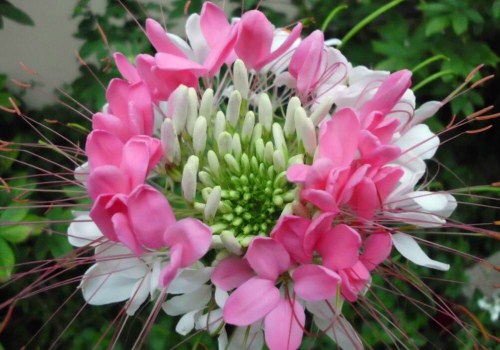
Cleome is an annual herbaceous plant in the order Brassicales, family Cleomaceae, genus Cleome. The flowers are rose-red or white, with lanceolate petals that curl outward. When in full bloom, each small flower looks like a dancing butterfly, very charming. So how do you grow this charmingly shaped cleome? What benefits and uses does it have? Is it toxic? Can it be placed in the bedroom?
I. How do you grow cleome?
1. Soil: Cleome is not demanding about soil. Fertile soil with plenty of water and nutrients, or soil with medium fertility, will both work. However, sandy loam, somewhat heavy clay soil, or alkaline soil will lead to poor growth. You can use a mix of leaf mold and garden soil in equal parts as the growing medium. The soil should be loose and have good drainage.
2. Propagation: Cleome can be propagated by sowing seeds or by cuttings. For seed propagation, first soak the seeds in warm water at 25-30 degrees Celsius for 3-10 hours, then stick the seeds one by one onto the surface of the growing medium, cover with 1 cm of medium, and place the pot into water with a depth of 1/2-2/3 of the pot's height. After the seedlings emerge, they need sunlight every day, and you should thin them appropriately, pulling out any seedlings that grow poorly. For cutting propagation, take the thick, pest- and disease-free top shoots that have been cut off as cuttings and stick them directly into the growing medium. A temperature of 18°C-25°C is best. After cutting, block out 50-80% of the sunlight, mist appropriately every day, and gradually remove the shade netting once roots have grown.
3. Potting or transplanting: First place a 2-2 cm thick layer of coarse-grained medium or clay pebbles at the bottom of the pot as a drainage layer, then sprinkle a layer of base fertilizer, cover with another layer of medium, and then place the plant in. This is to avoid burning the roots. After placing the plant in, backfill the soil to cover the root system, then water thoroughly once.
4. Fertilizing: Cleome has a relatively high demand for fertilizer and water. Follow the fertilizing principle of “light fertilizer applied frequently, small amounts but more often, complete nutrition.” Apply a light fertilizer once at initial planting, control fertilizing during the middle growth stage, and after fertilizing keep the leaves and flowers dry at night. During the bud stage, apply 2-3 times a diluted compound liquid fertilizer.
5. Light and watering: Cleome likes high temperatures and tolerates summer heat relatively well, but hates the cold. Summer is its growing season, and the plant will die as soon as it encounters frost. In midsummer, water every day and water thoroughly. Generally, wait until the soil is dry before watering. Do not water too much; keeping the soil slightly moist is enough. Do not let water accumulate, or the roots will rot. The best times to water are morning and evening; in spring and autumn, water in the morning and afternoon; in winter, water at noon.
6. Pinching: Before cleome blooms, it is generally pinched twice. One to two weeks after potting, remove the top to encourage branching. Carry out the second pinching 3-5 weeks after the first, pinching off the tips of the side branches. After pinching, the plant shape will be more ideal and the number of flowers will also be greater.
II. What benefits and uses does cleome have?
Cleome has excellent ornamental value and medicinal value: Cleome's flowering period is from late summer to early autumn. It generally opens in the evening and withers during the day the next day. When in full bloom it looks like butterflies dancing, and it can be arranged into flower beds, flower borders, or grown as a potted plant for viewing. It is a very good pollution-resistant flower that can resist sulfur dioxide and chlorine gas. It is an excellent nectar plant and can be used to extract high-quality essential oil. The whole plant is slightly toxic, and can dispel wind and disperse cold, kill insects, and relieve itching. The fruit has been experimentally used in folk medicine for liver cancer.
III. Is cleome toxic? Can it be placed in the bedroom? What is its flower language?
Cleome is slightly toxic. Normally it is kept only as an attractive ornamental flower to beautify the environment, and as long as we do not eat it, there is no problem.
Cleome can be placed in the bedroom. Its charming flower shape makes people feel happy just looking at it, and it is highly resistant to sulfur dioxide and chlorine gas. It can also absorb harmful substances from the air, making it a very good pollution-resistant flower.
Cleome's flower language is: mystery.