How to grow a greenhouse clivia so it thrives? Solve leaf spots and yellowing this way
Since ancient times, we have likened the four plants "plum, orchid, bamboo and chrysanthemum" to elegant gentlemen, and scholars and literati have loved writing poems and lyrics to praise the qualities of the "Four Gentlemen." Among them, orchids have over a thousand varieties. Today let us learn about one of the orchids - how to grow clivia so it thrives? What to do about leaf spots and yellowing?
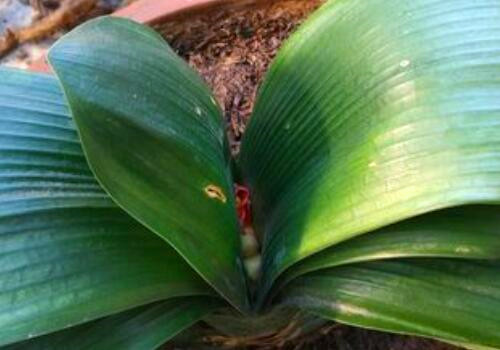
I. How to grow clivia so it thrives?
Clivia is a relatively "long-lived" plant, and has been designated the city flower of Changchun in China. It also has other names such as: large-leaf stone garlic, Damulan, sword-leaf stone garlic, and so on. It is one of the common cultivated varieties among the broad community of "flower lovers." Below, let us learn exactly how to grow clivia so it thrives.
1. For clivia to thrive, the soil must be fertile: Clivia is a plant that likes fertile, loose soil, and orchids all love humus-rich material, so when planting clivia it is best to buy special fertile soil from a flower and bird market, or make your own growing soil from leaf mold, pine needles, river sand, plant ash and base fertilizer.
2. For clivia to thrive, watering must be moderate: Clivia likes to grow in a moist environment, so the soil must never dry out. Watering clivia also has its particular rules:
(1) Choosing the water to use: rainwater, river water, pond water, snow water (note that the water temperature must not be too low, ideally close to room temperature) are all beneficial to clivia's growth. Tap water is of course also fine, but it should be left to stand for a few days before use.
(2) Choosing the watering method: while keeping the soil moist, it must not become waterlogged. When the soil is fairly moist, use a spray method to spray the surface soil; if it needs a thorough watering, just use a watering can to water evenly.
(3) Choosing the frequency and interval of watering: in spring and autumn, water once every two or three days at nine or ten in the morning; in summer, water once a day, preferably in the morning and evening; in winter, clivia is in its dormant period, so watering once a week is enough.
3. For clivia to thrive, light must be reasonable: Clivia is a plant that likes partial shade, so in summer it needs shading, but in winter it must receive a certain amount of light; only then can clivia grow vigorously and produce beautiful flowers.
4. For clivia to thrive, fertilizing must be frequent: with sufficient fertilizer, clivia will grow well and its flowers will be large and vivid. The fertilizer must contain the three elements nitrogen, phosphorus and potassium. You can choose roasted hemp seeds, sunflower seeds and other shelled plant seeds, or plant ash, charcoal, rice bran and well-rotted poultry manure; when fertilizing, do not get it on the leaf surface or the heart of the plant. Fertilize more in winter and spring than in summer, and fertilize on sunny days. Small clivia seedlings should be fertilized once a week, while medium and large clivia should be fertilized about once every ten days.
5. Another most important point: Clivia is a well-known greenhouse plant, so the temperature must not be too high or too low (the suitable temperature is 15°C to 25°C, and it must not go below 10°C), otherwise it will affect growth and flowering.
II. What to do about clivia leaves with spots and yellowing?
1. If clivia develops spots during cultivation, you can:
(1) Directly cut off the leaves that have already developed spots; this only suits the very early stage when there are not many spots.
(2) Change the soil for the spotted clivia. When changing the soil, wash the original soil off the roots, let them dry, then replace with new soil. In addition, unhealthy leaves should also be cut off.
(3) For clivia leaves with spots, you can also spray a chemical agent once every half month until the spotted leaves return to normal.
2. If clivia leaves turn yellow during cultivation, you can:
(1) Yellowing caused by overwatering: if the clivia's root system has not rotted, place it in a ventilated spot and stop watering during this period; if the roots have rotted, cut off the rotted roots of the un-potted clivia, soak them in potassium permanganate, let them dry, then repot with fresh soil.
(2) Yellowing caused by overfertilizing: first stop fertilizing the clivia, then flush the soil with water to wash away the excess fertilizer; if the roots have rotted, you can only change the soil, remove the rotted roots and replant.
(3) Yellowing caused by insufficient light: if light is insufficient, just give it more light, but do not put it directly under the blazing sun; it should receive light gradually.
III. What are the rules for placing clivia?
1. Clivia must not be placed directly on a balcony: summer is too hot and winter too cold, either of which can cause the clivia to die.
2. Clivia must not be placed on the coffee table at home: in feng shui terms, placing clivia on the coffee table may affect feng shui and affect family harmony and wealth.
3. Do not place clivia behind the entranceway: in feng shui terms, this may bring bad luck and may also cause the family's wealth to dissipate.
Although some of the placement rules for clivia are based on feng shui, the part about not placing it on a balcony is true, after all clivia is a "flower in a greenhouse."