How to grow Mimosa pudica? Flowering time and solutions for yellowing leaves
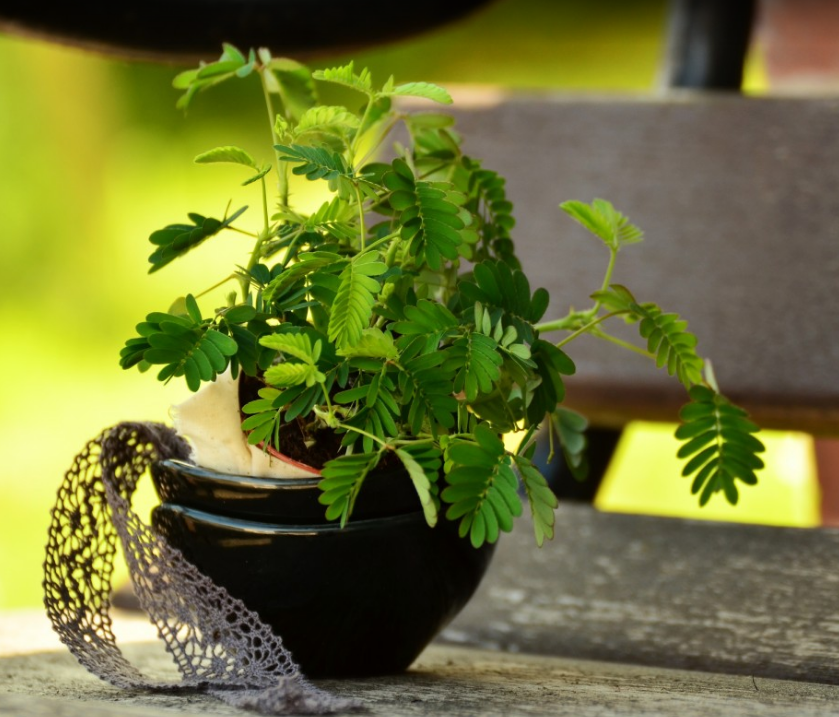
Mimosa pudica is a very interesting plant. If you gently touch it with your hand, its leaves will immediately close up, looking as if it is shy, so people call it mimosa. I believe many friends have grown it at home, but always run into all kinds of problems, so how should mimosa be grown? When does it bloom? What should you do if the leaves turn yellow?
1. How to grow Mimosa pudica?
Key growing point one: watering
Mimosa pudica is a plant that likes moisture. If there is not enough water, it will wither. So water it in time. You can use a spray bottle to mist it often. As long as the soil does not dry out, that is enough. Especially when the weather is hot in summer, the water is easily evaporated, so you can mist it more. But in winter, you can reduce it appropriately.
Key growing point two: soil
Mimosa pudica has fairly low soil requirements. In general, soil from right outside the door can be used for growing it. Of course, if you want mimosa to grow better, using fertile, nutrient-rich soil will definitely help it. For this kind of soil, you can choose leaf mold mixed with sand for growing it.
Key growing point three: sunlight
Mimosa pudica likes sunlight. Ensuring sufficient sunlight is very good for its growth, so do not put it in a shady place, otherwise poor growth will occur.
Key growing point four: temperature
Mimosa pudica likes a warm environment, so in winter you must prevent it from being frostbitten. You can move it indoors to grow it, and water it less to prevent its roots and stems from being damaged by cold and dying.
Key growing point five: preventing pests and diseases
Generally speaking, pest and disease problems on mimosa are very rare. Occasionally slugs may appear, and you can just pick them off by hand or spread some lime.
2. When does Mimosa pudica bloom?
The flowers of mimosa are pink and spherical, very cute, and their ornamental value is still quite high. Mimosa mostly blooms in summer, roughly between July and October, with a flowering period of about 5 days. In autumn it forms seed-bearing pods, which fall off after maturing.
3. What should you do if Mimosa pudica leaves turn yellow?
When growing mimosa, yellowing leaves can occur. To know how to prevent and treat it, we first need to know what is causing it. Generally, it falls into the following four types:
1. Yellowing leaves caused by transplanting
Newly transplanted mimosa may suffer from nutrient deficiency and yellowing leaves because it has not adapted to the environment. In this case, you can put it in a shady place to let it recover first, and after it grows normally, care for it in the usual way.
2. Yellowing leaves caused by low temperature
Generally, winter is likely to cause yellowing leaves. Continuously low temperatures will cause poor growth in mimosa, leading to yellowing leaves. In this case, you can put it indoors, but keep it away from air conditioners and heating. If it is summer, move it out from indoors and place it in warm outdoor sunlight.
3. Yellowing leaves caused by insufficient water
Yellowing leaves caused by insufficient water generally happen in summer. In hot weather, water is easily evaporated, causing mimosa to lack water and grow poorly. If the leaves turn yellow, then when you touch it at this time, it will no longer close. So if you want to keep mimosa green and lush in summer, basically water it once in the morning and once in the evening, and you can also apply fertilizer once every half month to ensure it absorbs nutrients.
4. Yellowing leaves caused by lighting
Although mimosa likes sunlight, and placing it in a sunny spot can make it grow better, it also cannot be exposed to too much harsh sun, otherwise it will also cause yellowing leaves. In this case, we can move it to a place with diffused light and remove the yellowing leaves to prevent loss of nutrients.