Does eating too many kumquats cause internal heat, can the peel be eaten, how many years until it flowers and bears fruit, and how to grow it in pots
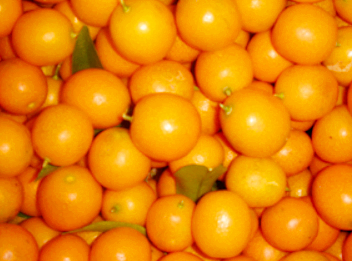
Kumquat, also known as Jingju, is a traditional local famous fruit of Guizhou Province, with a cultivation history of more than 350 years. The kumquat fruit is relatively small, generally weighing 30 to 50 grams each, and comes in several shapes: round, cake-shaped, and oblate. The fruit color comes in several types: tangerine red, orange red, and vermilion. So does eating too many kumquats cause internal heat? Can the peel be eaten? How many years until it flowers and bears fruit? What is the potted planting method?
1. Does eating too many kumquats cause internal heat?
Kumquat is a relatively common fruit in daily life, and its price is not particularly cheap. In fact, its nutritional value is somewhat higher than that of large oranges. It and oranges belong to the same family of fruits, so eating too many kumquats can also easily cause internal heat. In daily life, it is best to eat them in moderation and not too many.
2. Can the peel of kumquats be eaten?
The peel of kumquats can be eaten, and it is rich in vitamin C. 80% of the vitamin C in kumquats is in the peel, which contains more than 170 kinds of plant compounds and more than 60 kinds of flavonoids, most of which are natural antioxidants. The rich nutritional components in oranges have effects such as lowering blood lipids and resisting atherosclerosis, and are greatly beneficial for preventing the occurrence of cardiovascular diseases. Orange juice contains a substance called “nomilin”, which has the ability to inhibit and kill cancer cells and has a preventive and therapeutic effect on stomach cancer.
3. What effects does the peel of kumquats have?
1. Putting orange peel in the refrigerator can help us remove odors. The fresh fragrance of orange peel can eliminate odors. This is something I have experienced personally.
2. Extracting juice from orange peel or soaking it in water to drink can help sober one up and also reduce internal heat. Ordinary doctors all know this. But we have overlooked it.
3. In summer there are many mosquitoes. We do not need mosquito coils; we can use orange peel to repel mosquitoes. This may be a bit surprising to everyone, but the actual effect needs to be verified by everyone themselves. Only through personal experience can one know. Time reveals the truth. The specific method is to light dried orange peel to drive away mosquitoes and flies, which is both environmentally friendly and money-saving.
4. Orange peel can also protect hair. Everyone is surprised, right? At least I was surprised when I heard it. We can soak orange peel in hot water, then use it to wash our hair. The effect is better than using high-quality hair conditioner. The hair will be smooth and soft, and will also shine.
5. Those who like growing flowers can get some good knowledge here. We can soak orange peel in water to make compost, then add it to potting soil as fertilizer. It has no unpleasant smell, and the fertilizer effect can last a long time. Such an effect may not even be matched by chemical fertilizers.
6. Many people have pets at home, but fleas and lice on pets are a headache for all of us. Well, today here you can solve it. We soak orange peel in water, then apply it to the pet's body to remove fleas and lice. Amazing, right!
7. When eating fish, there will inevitably be a fishy smell. So do you all know? Orange peel can help you solve this problem. When steaming fish, we add some orange peel, and the effect of removing the fishy smell is very obvious!
8. Finally, orange peel can also moisturize the skin and prevent and treat dry skin. The specific method is that we put orange peel into a washbasin, then use it to wash the face and wipe the skin.
4. How many years does it take for kumquats to flower and bear fruit?
Kumquats can flower and bear fruit after being planted for one to two years. The flowering period is June, and the fruit ripening period is December.
5. How to grow potted kumquats?
1. The potting soil for potted kumquats can be mixed with 3 parts leaf mold, 2 parts sandy soil, and 1 part cake fertilizer, and the pot and soil should be changed every year from March to April. In spring, move it outdoors and place it in a place with sufficient light. Insufficient light and a shaded environment will cause branches and leaves to grow excessively and produce no flowers or few flowers. In seasons with strong light intensity and high temperature and heat, it can be slightly shaded, and afterward placed in a sunny place. In winter, place it in a greenhouse in a place with sufficient light. Kumquats like fertilizer. In addition to applying base fertilizer when changing soil, the rest of the time it is mainly topdressed with liquid fertilizer. Apply nitrogen fertilizer 10 days before buds sprout to promote budding. In early May, apply flower-promoting fertilizer, mainly organic fertilizer based on nitrogen and potassium. Apply fruit-strengthening fertilizer during the fruit expansion period, mainly phosphorus and potassium. Apply liquid fertilizer once every half month. To improve soil acidity and alkalinity, prepare alum fertilizer water and water it once every 20 days, or it can also be sprayed on the leaves.
2. Kumquats have relatively strict water requirements. During the growing period, the potting soil should be kept moist. From the flowering period to the young fruit period, pause leaf spraying or avoid natural precipitation, so as not to affect fruit setting. At this time, soil that is too dry or too wet can also easily cause fruit drop, so watering should be even. In the high temperature of midsummer, the number of waterings should be increased. In winter, keep the potting soil in a semi-moist state. The air in the north is dry, so it is necessary to spray the leaves frequently and sprinkle water around to increase air humidity.
3. Before Frost's Descent, move the potted flower into a greenhouse in a place with sufficient light. It can overwinter as long as the temperature is above 0°C. At the end of winter and beginning of spring each year, carry out one heavy pruning of the plant, keeping 2 to 3 buds on each branch, and thin out diseased and pest-damaged branches, densely growing branches, and excessively growing branches, so that the branches are evenly distributed. When new shoots grow to 25 cm, pinch off the tips to promote side branches and make it full. When kumquats bloom, appropriately thin flowers and fruits, and promptly remove new shoots, so that the fruits are large and evenly distributed.
4. Kumquats generally need their pots changed about once every three years. Potted kumquats should be repotted before flowering. First knock the plant out of the pot, and use scissors to cut off the overly dense outer roots. The size of the new pot should be determined according to the growth of the plant. If it is growing well, choose a large pot. The bottom of the pot also needs broken pot pieces to make a drainage layer. After cushioning a layer of soil, put in a few pieces of horseshoe slices, then cushion another layer of soil, and then place the plant on the soil. The culture soil should be neutral soil rich in humus, loose and fertile, and well-drained. While filling with soil, press it firmly, and finally water once thoroughly, then place it in a shaded place.