Calendula (Pot Marigold): Benefits, How to Grow It, and When It Blooms
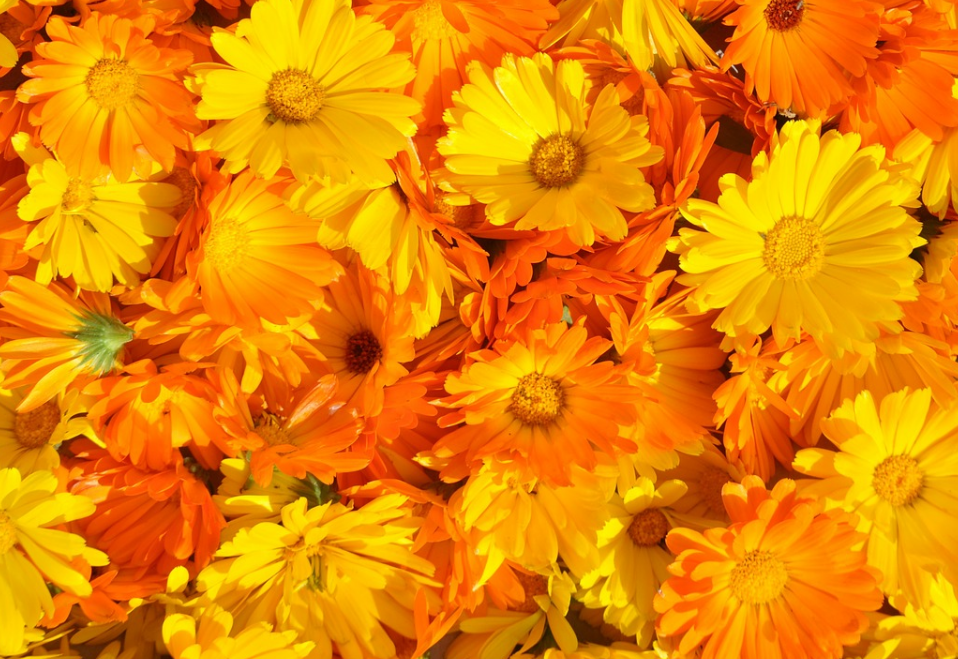
Calendula, also known as pot marigold, is an ornamental flowering plant with high visual appeal. It comes in many flower colors, and its full, plump flower heads paired with lush green leaves look very attractive. So besides that, what benefits does calendula have? How do you grow it? When does it bloom?
1. What benefits does calendula have?
Calendula is rich in the mineral phosphorus and vitamin B. It can help prevent insomnia and reduce anxiety. It can also protect eyesight, nourish the liver and brighten the eyes, beautify the skin, and clear heat and reduce inflammation.
Calendula also has powerful effects when used externally. Used externally, it has a bactericidal effect and can treat skin diseases and wounds. It has anti-inflammatory, bactericidal, anti-mold, and anti-ulcer effects, and can relieve sunburn and scalds. Used regularly for facial steaming, herbal baths, or hand and foot baths, it can make the skin clean and delicate.
Calendula also protects the digestive system, strengthens liver function, and can treat hemorrhoids. Drinking calendula tea can induce sweating, clear damp-heat, and promote urination. Its flowers can also be made into salad and used in cooking to add color, aroma, and flavor. Therefore, calendula is considered one of the best foods that serves as both medicine and food.
2. How do you grow calendula?
1. Light
It likes sunlight and is not shade-tolerant; it grows well in places with plenty of sunlight.
2. Temperature
It is relatively cold-tolerant and must be protected over winter in a sunny cold frame. It likes a mild climate and is not tolerant of heat.
3. Soil
It tolerates poor soil, but grows well in loose, fertile, well-drained sandy loam.
4. Watering
After planting out, water once every 7-10 days, just enough to keep the soil from becoming too dry.
5. Fertilizing
When planting out, apply leaf mold or barnyard manure as a base fertilizer. Generally, no additional fertilizing is needed during the growing season.
6. Pest and disease control
Calendula is easily harmed by red spider mites and aphids. You can spray an 80% dichlorvos solution diluted 1000-1200 times, or a 25% chlordimeform solution diluted 700-1000 times, for control.
7. Uses
It can be used to plant early-spring flower beds, and can also be grown in pots and used as a cut flower.
3. Which month is best for sowing calendula seeds?
Calendula seeds can be sown from February to May each year, or from August to October. Seeds sown during these two periods have the highest germination rate and grow best.
4. When does calendula bloom?
Its blooming period is roughly from June to October each year. When it is about to bloom, we will observe a phenomenon: the leaves in the center of the plant turn a very glossy color. Sometimes we can only observe changes in the leaves on the front, and other times we can observe changes at the top.
5. Is it good to drink calendula often?
Although drinking calendula steeped in water has many benefits for people, it should be consumed in moderation and is not suitable for frequent drinking. If you drink it often without controlling the amount, the disadvantages to the human body outweigh the benefits, so everyone should pay attention to this point.