How to grow a snake plant? Master these 4 points and every pot will be bursting with growth
Modern people no longer have land for growing flowers and vegetables, so they plant flowers and grasses in pots and place them on indoor balconies. Among them, pothos, asparagus fern, snake plant and so on are among the commonly grown potted plants. Let's take a look at how to grow a snake plant. What should you pay attention to when watering and fertilizing?
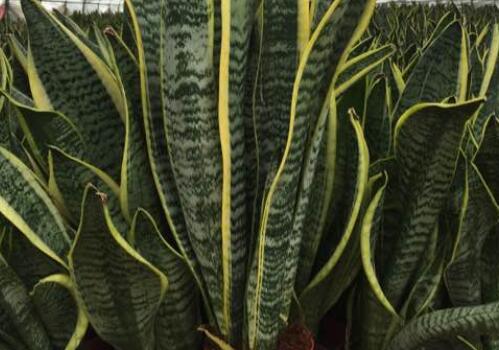
I. How do you grow a snake plant?
The snake plant (Sansevieria) is a cold-tolerant, shade-tolerant evergreen plant, also known as mother-in-law's tongue and thousand-year plant, and is widely cultivated. Although the snake plant is a relatively tough and easy-to-grow plant, if you want to grow a lush snake plant you still need to spend some time and effort. Let's find out more below!
(1) Give the snake plant suitable growing soil
1. The snake plant is a very easy-to-grow green plant, and it is not demanding about soil. If you want to grow a pot of lush, overflowing snake plant, it is still best to prepare loose sandy soil and humus soil.
2. The snake plant is also not demanding about growing space, and it can grow normally in both very large and very small spaces. However, it is still recommended to repot the snake plant once every two years or so in spring, and to use standard soil and fertilizer when repotting. (You can make your own compost using livestock and poultry manure, weeds and fallen leaves, etc., plus soil and minerals.)
(2) Give the snake plant reasonable light
1. The snake plant likes sunlight but cannot be exposed to strong sun. If it is exposed to strong sun or the light is too intense, the leaf color of the snake plant will turn dark or whitish. In summer, for example, it is best to place it in a shady or semi-shady spot. The snake plant also cannot be kept in a shady spot for a long time; it needs appropriate light as well.
2. Although the snake plant is cold-tolerant, the growing temperature cannot be lower than 13 degrees, otherwise it will stop growing. Also, if the winter temperature is lower than the humidity, it can easily cause root rot and death in the snake plant, so the temperature is best kept between 18 degrees and 28 degrees.
(3) Give the snake plant an appropriate amount of water
1. The snake plant is a plant native to western Africa and southern Asia, and it can adapt to harsh environments and drought conditions, so do not water the snake plant too frequently, otherwise it will affect the stripes and color of the snake plant.
2. Spring to autumn is the period of vigorous plant growth, and at this time you should water enough, watering once every two or three days, wetting the soil each time but not letting water accumulate in the pot. You can also appropriately mist the leaves. After autumn, when the air becomes damp and cool, reduce the amount of watering and lengthen the watering interval, so as to keep the soil in the pot slightly dry and enhance its ability to resist the cold.
3. During the high temperatures of summer, maintain the moisture of the soil, and you can water once a day in the morning or evening.
4. In winter, reduce or stop watering the snake plant, and move it indoors.
(4) Give the snake plant reasonable fertilizing
1. The snake plant is not a plant that needs a lot of fertilizer, so during the growing season fertilize once to twice a month with a dilute liquid fertilizer; during vigorous growth, also apply a standard fertilizer once.
2. During the vigorous growth period of the snake plant, you can use decomposed manure and nitrogen fertilizer, potassium fertilizer, and phosphorus fertilizer.
3. During the dormant period of the snake plant (November of each year to March of the following year), you do not need to fertilize.
II. Why does the snake plant not grow tall?
During the process of growing a snake plant, some problems will always appear to a greater or lesser extent. Among them, the snake plant not growing tall has troubled quite a few potted plant enthusiasts. Let's analyze and understand the reasons why the snake plant does not grow tall and the solutions below.
(1) Reasons that cause the snake plant not to grow tall
1. The snake plant does not grow tall due to temperature being too high or too low: as mentioned above, the suitable temperature for the snake plant is 18 to 28 degrees. If it is kept under low-temperature or high-temperature conditions for a long time, it cannot grow tall.
2. It does not grow tall due to insufficient light: everyone knows that in addition to absorbing the nutrients needed for growth from the soil, green plants also produce nutrients through photosynthesis. If they are kept in a dark place for a long time and cannot carry out photosynthesis, the snake plant also cannot grow tall.
3. The snake plant does not grow tall due to insufficient fertilizing: the growth of plants mostly requires fertilizer. If there is no fertilizing or not enough fertilizing, and the nutrients are not enough to support growth, then how can the snake plant grow tall?
(2) How do you grow a snake plant so that it grows tall?
1. Suitable growing environment, temperature and light: when the snake plant grows under conditions that satisfy its own growth needs, are you still afraid it will not grow tall?
2. Reasonable water and fertilizer: life cannot be separated from water, and growth cannot be separated from fertilizer (nutrients), so when you water in the right amount and fertilize reasonably, you no longer need to worry that the snake plant will not grow tall.
III. What are the particular rules for placing a snake plant at home?
1. Taboo positions where the snake plant must not be placed: the snake plant must not be placed in inauspicious positions at home, in the bathroom, or at the main entrance. This is because placing the snake plant in these positions may affect the fortune and wealth of the household.
2. These positions are better for placing the snake plant: the living room, balcony, and bedroom at home can all have the snake plant placed in them (it can also be placed in a company office and storefront). Besides purifying the air, it can also boost luck and fortune.
Through these introductions, you should be able to understand that if you want to grow a snake plant well, just pay attention to light, temperature, water and fertilizer and you basically will not go wrong.