How to grow a peace lily? 6 key points to make it grow better!
The peace lily is also known as "plain sailing" because its name carries a good meaning, it looks beautiful, and it also helps purify the air, so it is very popular in modern household flower growing. But many people do not know how to grow it so that the peace lily grows better, so how do you grow a peace lily?
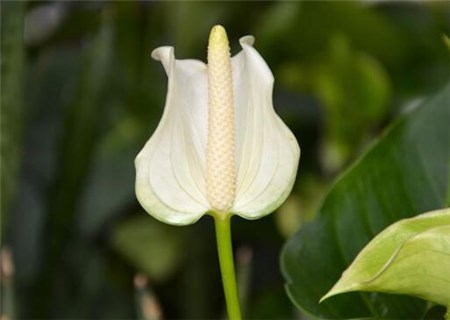
1. How to grow a peace lily? 6 key points to make it grow better!
Key point 1: Soil environment
The peace lily likes to grow in a loose soil environment with good air permeability and drainage, so when choosing soil we should not use soil that is heavy in clay and easily compacted. You can choose soil made by mixing garden soil, leaf mold, perlite or river sand, and add a small amount of organic fertilizer when planting.
Key point 2: Light conditions
Light plays a vital role in the growth of the peace lily. Sufficient light can not only strengthen photosynthesis and promote flowering, but also enhance the peace lily's ability to resist pests and diseases. However, it should not be placed in direct strong light in the hot summer; at this time appropriate measures should be taken to shade it. In winter and spring it can be grown outdoors.
Key point 3: Suitable temperature
The peace lily is a plant that is relatively tolerant of high temperatures, and it grows better in a warm environment, so when growing a peace lily we can place it in a warm spot indoors. Especially in winter when the temperature is relatively low, during the day it is best to keep the temperature at around 25°C, and at night it should not be lower than 14°C. If the temperature is too low for a long time, the peace lily's leaves will turn yellow and wither.
Key point 4: Watering techniques
We know that the growth of most plants cannot be separated from water, but note that you should not water a peace lily too much, otherwise it will cause root rot. Especially in winter when the temperature is relatively low, the amount of watering must be strictly controlled; just keep the soil slightly moist. In the hot summer you can use a spray bottle to spray water on the plant, and you can also spray a little on the ground nearby, so as to maintain air humidity and help its growth.
Key point 5: Fertilization method
The peace lily has a relatively high fertilizer requirement, especially during its growth period. Insufficient nutrients will cause the peace lily's leaves to turn yellow. At this time you can fertilize about once a week, but do not use raw fertilizer. If using solid fertilizer, it should be fully decomposed and then diluted with clean water. After fertilizing, you can loosen the soil appropriately to promote the absorption of nutrients. In summer, fertilize more lightly, and it is best to choose the evening for fertilizing.
Key point 6: Repotting and soil
Generally speaking, when grown in a pot, after a certain period of time the soil no longer has many nutrients, so the potting soil must be replaced in time, about once every 1-2 years. When changing the potting soil, appropriately prune the old roots, dead roots and diseased roots, remove the old soil and add new soil to promote its growth. In addition, if the plant grows more and more, it should also be divided, so as to avoid crowding that causes the plant to grow smaller and smaller.
2. What should be noted during the process of growing a peace lily?
1. During its growth period, the peace lily is relatively prone to pest damage, so we should do a good job of prevention. It is best to regularly spray the peace lily with a pesticide specifically for killing mites. Second, frequently wiping the peace lily's leaves can also remove dust and help prevent pests.
2. When fertilizing a peace lily, be careful not to sprinkle fertilizer on the leaves, so as to avoid making the leaves rot. In addition, pay attention to the timing of fertilization: do not fertilize during high summer temperatures or low winter temperatures, because at these two times the peace lily's growth becomes very slow or even stops.
3. When dividing and repotting a peace lily, you can choose to do it in early spring. In addition, when repotting, if you find that many new shoots have grown from the roots, you can divide them as early as possible, so that the new plants afterward will have new space to grow.
4. Every three or four months, remember to loosen the soil appropriately for the peace lily. If the soil is severely compacted, you can replace it with new loose soil.
5. The peace lily's stamens and sap are slightly toxic. When growing it, be careful not to touch it or eat it by mistake, and place it somewhere children cannot reach, so as to avoid poisoning.
3. How much does a peace lily cost per pot?
The market price of peace lilies varies, determined by whether there are many plants in the pot and whether it is flowering. Generally speaking, the price of a peace lily is around 10-25 yuan. If there are more plants and it is flowering, the price is about 25 yuan. The specific price is subject to the actual market price.
Summary: The above is the relevant introduction to the key points of peace lily growing methods, precautions and how much it costs per pot. I hope it is helpful to friends in need.