Jasmine cultivation methods and precautions: 4 tricks to make the flowers bloom and fill the garden with fragrance
Whenever jasmine is mentioned, it reminds me of a song, and one of its lyrics goes “What a beautiful jasmine flower.” Jasmine blooms every year from May to August, and the flowers are usually pure white, but if you do not grow it well, it will not bloom. So what are the jasmine cultivation methods and precautions? Let the jasmine cultivation experts explain the care instructions in detail as follows:
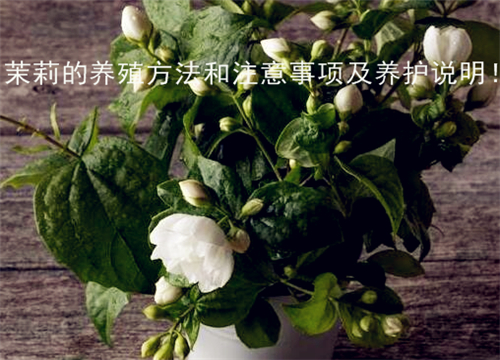
I. Detailed explanation of jasmine cultivation methods and precautions!
1. The 5 major steps of jasmine cultivation methods
(1) Choosing pots and soil for jasmine cultivation
For jasmine cultivation, the soil chosen is generally one that holds water and drains well. Among the three soil types in our country, which one is more suitable? Of course, loam is the most suitable! Buying some leaf mold from the market for cultivation is also fine. What kind of pot is good for jasmine cultivation? Generally, ordinary plastic pots, ceramic pots, and clay pots are the best choices. Do not buy porcelain pots, because they are not very breathable.
(2) Potting methods and timing for jasmine cultivation
The timing of potting jasmine is quite particular. The most suitable time for potting is when jasmine grows new buds each year, which is around March to April in spring. Potting must be completed during these two months. Repotting and changing the soil can also be done, which is beneficial to the growth and propagation of jasmine. After potting, avoid direct sunlight, and once it has recovered, move it to a sunny place.
(3) Watering methods for jasmine cultivation
Too much or too little watering in jasmine cultivation is a key point that directly affects whether jasmine grows well. If you water too much every day, the jasmine leaves will turn yellow. If the potting soil is too wet, the jasmine roots and stems will rot, and eventually it will die. If either of the above two situations occurs because of watering, be sure to stop watering, move it to a place without sunlight for recovery, and resume normal watering after it recovers.
Watering jasmine also has a method. In spring, water once every 3 days. In summer during high temperatures, water once in the morning and once in the evening, but do not water too much; a little is enough, just enough to moisten the potting soil. In autumn, watering once every 2 days is enough, but in late autumn you can water once every 3 days. In winter, water once a week. Note that if you find the leaves turning yellow, stop watering.
(4) Fertilizing methods for jasmine cultivation
During the jasmine cultivation process, it likes fertilizer quite a lot, especially in the month before it is about to bloom. We need to do the fertilizing work well to ensure that when it blooms, the garden will be full of fragrance. From the time new buds grow each spring until September, jasmine needs to be fertilized once every fifteen days. It is best to use dilute thin cake fertilizer water, because jasmine likes acidic fertilizer. After October, no fertilizing is needed, which helps jasmine get through the winter.
(5) Pruning methods for jasmine cultivation
Jasmine can generally begin to be pruned every year in March, because once new tender buds have grown, some old branches can be cut off from the base, but you can cut at most only 20 cm, not too much, otherwise it will affect jasmine growth. After pruning, jasmine will soon bloom. Pruning in this way is beneficial to flowering.
The above are the five major steps and key points of jasmine cultivation methods summarized by jasmine cultivation experts. None can be omitted, so please save them well!
2. Jasmine cultivation precautions: master 4 small tricks to make its flowers bloom and fill the garden with fragrance
Jasmine cultivation experts tell us that these 4 precautions must be followed. These 4 precautions are equivalent to mastering 4 small tricks. Doing these four points well can make your jasmine flowers bloom and fill the garden with fragrance.
(1) Jasmine cultivation precautions: a small trick for light
Jasmine loves sunlight very much and does not like shady places. Without light, it cannot grow, flowering is not favored, and it may even fail to bloom. But if you put jasmine in a place with light and water and fertilize it reasonably, with your careful care, blooming is completely not a problem.
(2) Jasmine cultivation precautions: a small trick for pest and disease control
When spring comes, many insects also come out and become active. At this time they will endanger your jasmine, so you must observe carefully every day. If you find pests or diseases, immediately spray medicine to treat them in time. Only in this way can you ensure normal flowering later.
(3) Jasmine cultivation precautions: a small trick for preventing and treating yellow leaves
Generally, jasmine leaves turn yellow because the soil has become alkaline, so at this time you need to repot and change the soil, or loosen the soil in time. You can also apply dilute thin alum fertilizer water to the yellowing leaves, once every 7 days. After applying it for a period of time, the leaves can turn from yellow to green! After that, paying attention to fertilizing and watering can avoid yellow leaves.
(4) Jasmine cultivation precautions: a small trick for repotting every year
Every year, spring is the best time to repot jasmine. Never repot in winter or summer. In winter, jasmine fears the cold the most, and sometimes it is better to put jasmine on an indoor balcony. In summer, it is too hot to repot, which is also not good for growth. So repotting in spring is best. When repotting, add some base fertilizer to the new soil, then water appropriately. This year, your jasmine can bloom more brilliantly and the flowering period can also last longer!
The above are the precautions for jasmine cultivation. Do not forget the small tricks in them!
II. Is jasmine cultivation suitable for indoors? Cultivation experts tell you the truth!
Jasmine has fragrance when it blooms, so it can be grown indoors. When jasmine blooms, it releases an oil that can help sterilize the home, and after smelling it, people immediately feel refreshed. So those rumors saying it cannot be grown indoors are all deceptive. Specifically, it depends on your own preference for where to place green plants.
Summary: The above content in this article is the 5 major steps of jasmine cultivation methods and the 4 major cultivation precautions compiled for everyone. I hope it can help when caring for jasmine. This article is compiled from the internet.