Peony planting methods and profits: how much can you earn per mu?
The peony is a perennial deciduous small shrub of the genus Paeonia in the family Ranunculaceae. It is a valuable woody flower unique to China, with thousands of years of natural growth and more than 1,500 years of cultivation history. It is widely cultivated in China and was introduced to all parts of the world long ago, earning the reputation of “king of flowers.” So how do you grow peonies? How much can you earn by planting one mu?
I. How do you grow peonies?
1. Planting: The soil should be loose, fertile, neutral to slightly alkaline. Cut off broken and diseased roots from the peony seedlings to be planted, dip them in insecticide and fungicide, and place them in a pre-prepared pot or pit. The roots should be spread out. Fill with soil to more than half the depth of the pot or pit, then lift the seedling gently and shake it, firm the soil and seal it, with the depth such that the root crown is slightly below the pot surface or ground level.
2. Watering: Water thoroughly once after planting. Peonies dislike waterlogging, so water as appropriate during the growing season. In arid regions of the north, generally water before flowering, after flowering, and before the ground freezes. For potted plants, to make management easier, you can cut off the spent flowers after blooming and bury the whole pot in the ground.
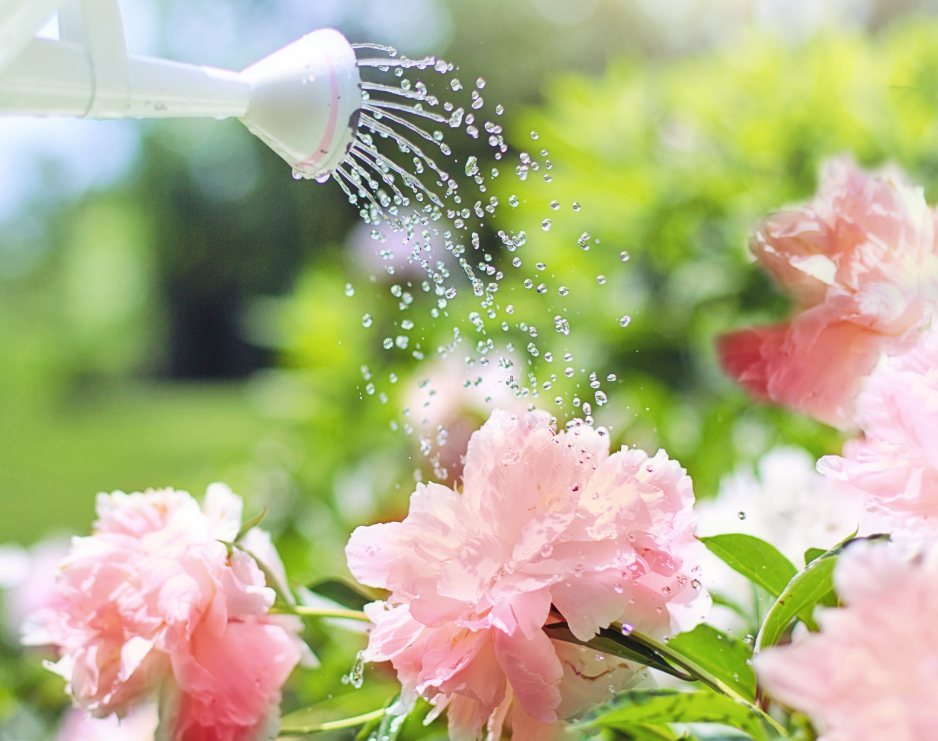
3. Fertilizing: One year after planting, fertilizing can be done in autumn, mainly with decomposed organic fertilizer. It can be applied in combination with loosening the soil, by broadcasting, or by hole application. In spring and summer, chemical fertilizers are mostly used, applied with watering as pre-flowering and post-flowering fertilizer. For potted plants, liquid fertilizer can be applied along with watering.
4. Pruning: In the year of planting, cut back to the base. After sprouting in spring, keep about 5 branches and remove the rest to concentrate nutrients, so that the flowers in the second year are large and brightly colored. In autumn and winter, along with clearing the garden, cut off dry flower stalks and thin, weak, flowerless branches. For potted plants, trim them into the shape you like as needed.
5. Cultivating: During the growing season, cultivate the soil in time, pull out weeds, and watch for the occurrence of diseases and pests. In autumn and winter, plow the soil around peonies more than two years old.
6. Repotting: When potted peonies have grown for three or four years, they need to be moved in autumn into a larger pot with new fertilized soil or divided and replanted separately.
7. Forcing blooms: To add flowers for festivals or celebratory events, peonies can be warmed about 50 days in advance depending on the variety, with the temperature controlled at normal room temperature of 10—25℃, averaging around 15℃ per day. In the early stage, keep the plants moist; after buds appear, ensure ventilation and light; after the buds are fully formed, control the temperature according to flowering requirements. Normally, apply foliar fertilizer and ensure an adequate water supply. In this way, flowers can be seen at any time in winter and spring.
II. How much can you earn by planting one mu of peonies?
The peony is a plant of the genus Paeonia in the family Paeoniaceae, a perennial deciduous small shrub. Among cultivated types, it can be divided into hundreds of varieties mainly by flower color, with yellow, green, flesh red, deep red, and silver red being superior, and yellow and green especially prized. Peony flowers are large and fragrant, hence the name “national beauty and heavenly fragrance.” Peonies have many uses: ornamental, medicinal, and for pressing peony oil. Taking oil peonies as an example, according to current nursery stock market trends and planting density, the first-year investment per mu is about 1,000 yuan, and depending on the intercropping method, the investment per mu increases accordingly. That is, after planting peonies, the returns in the first two years are relatively low, and there may even be no return in the first year, so intercropping is needed, combining short-term and long-term crops to ensure returns. Sowing and planting in the third year, or planting established seedlings for two full years, will show benefits. The high-yield period lasts more than 30 years, and in the high-yield period each mu can produce 400 kg. Referring to the current guaranteed purchase price of 20 yuan/kg, and calculating with 30 years as one production cycle for peonies, the average annual net income per mu is more than 6,000 yuan, which is 4-5 times that of traditional crop planting.