Detailed Guide to the Cultivation Methods and Precautions for the Chinese Medicinal Herb Safflower
Safflower is familiar to many people who enjoy watching palace intrigue dramas. It is a commonly used Chinese medicinal herb, an annual herbaceous plant also known as "grass safflower," with the effects of promoting blood circulation to remove blood stasis, reducing swelling and relieving pain. It is cultivated throughout China and has significant economic benefits. So let me introduce the cultivation methods and precautions for safflower:
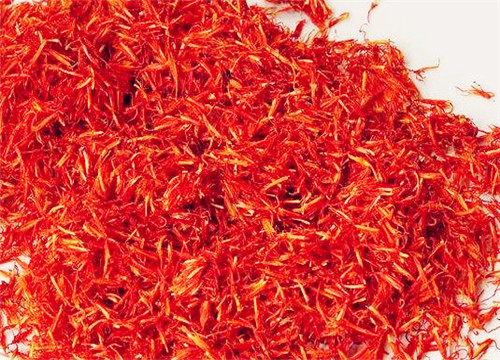
I. Cultivation Methods for Safflower
1. Site Selection and Land Preparation
Safflower is not very demanding about soil conditions. It can generally survive in dry, fertile, or even poor soil, but when planting, be careful not to choose damp, waterlogged, low-lying areas, as these are unfavorable for its growth. Dry land or wasteland is best for planting safflower. In addition, the previous crop before planting safflower is best as soybean, winter melon, or taro. After the previous crop is harvested, plow the plot finely and harrow it smooth, which makes the soil looser and improves drainage. When plowing, apply 1000 kg of decomposed farmyard manure per mu, plus 15 kg of superphosphate.
2. Sowing
The sowing time for safflower is not fixed and can be chosen according to different regional climates. Generally, in regions such as Jiangsu and Zhejiang, safflower is sown in winter; in Shandong, it is sown in autumn; in ** and the cold regions of Northeast China, it is sown in spring. When sowing, high and low beds should be made according to the terrain, generally two rows per bed. Sowing can be done by drilling or dibbling, with 6-7 seeds per planting spot at a certain spacing. Then cover with soil and water. After about 14 days, seedlings will emerge. The seeding rate is 1.5-2.5 kg per mu.
3. Field Management
After sowing, when the seedlings grow to about 6-7 cm, thinning should be carried out. Before thinning, remove weak seedlings and keep strong ones. Generally, keep about 2-3 strong seedlings per hole. If there are missing seedlings, replant them promptly. When the seedlings grow to 4-5 leaves, apply a thin dose of human manure and urine fertilizer. For later topdressing, to prevent seedling lodging, first apply it beside the roots. The second fertilization is around the time of Awakening of Insects (Jingzhe), with 500-600 kg per mu.
4. Pests and Diseases
During safflower cultivation, it may be affected by various pests and diseases. To avoid affecting safflower growth or even causing death, pest and disease control should be done in advance. Common pests and diseases mainly include root rot, rust, cutworms, crickets, etc. Targeted spraying of pesticides and other methods can be used for control according to the type.
II. Precautions for Planting Safflower
1. Safflower originally comes from tropical regions and likes to grow in warm environments. Although safflower has relatively strong adaptability to temperature, the most suitable growth temperature for safflower is between 20-25°C. Although different safflower varieties have different cold tolerance, note that the temperature generally should not be lower than 10°C, otherwise it will cause poor flower bud growth and then affect fruiting.
2. Safflower is suitable for growing in an environment with sufficient light. Especially during the mature stage, giving it enough light can make it grow better, and the seeds it produces will be fuller and more plump. Therefore, when planting, it is best not to choose a shaded environment, otherwise its flower buds will develop poorly or even die.
3. If you want to increase safflower yield, pay attention to weeding, watering, drainage, and pruning/pinching. Generally, weeding should be done three times, at the same times as fertilization. When safflower has little water, water it to maintain normal growth. But if there is heavy rainfall during the rainy season, drain the water from the field promptly to prevent waterlogging and root rot. When safflower grows to about 30 cm, in order to make it grow new side branches and increase the chance of flowering, appropriately pinch off some growing tips on the branches.
4. During the development period of safflower, topdressing should be done at least three times, and each application should not exceed 500 kg. The first topdressing is 7 days after the safflower seedlings break through the soil; the second topdressing is when the safflower seedlings grow to about 30 cm; the third topdressing is when they are about to enter the flowering stage. The topdressing fertilizer can be a compound fertilizer mixed with potassium fertilizer, phosphate fertilizer, zinc fertilizer, and boron fertilizer.
Summary: The above is the relevant introduction to the cultivation methods and precautions for safflower. I hope it is helpful to friends in need!