Hyacinth (Dutch hyacinth) growing methods and toxicity
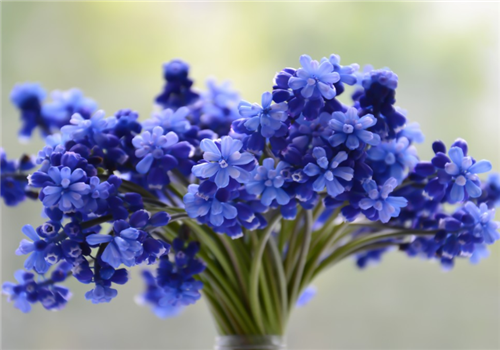
Hyacinth, also called Dutch hyacinth, is a perennial herbaceous plant. Its flower colors are vivid and varied, its fragrance is fresh and light, and its plant form is elegant with particularly high ornamental value. So how do you grow hyacinth? Is it toxic?
I. How do you grow hyacinth?
1. Bulb disinfection: Before planting hyacinth, it is recommended to first disinfect and sterilize the bulb to prevent rot. Remove the dried outer skin and old roots of the bulb, soak it in potassium permanganate solution (concentration based on a light purple-red color) for a quarter of an hour for soaking disinfection. After the bulb is disinfected, shake off the water from the bulb and let it dry naturally in the shade for one day.
2. Bulb planting: Because the flower buds of the hyacinth bulb have already differentiated and formed, no base fertilizer is needed during planting. Plant the bulb into the potting soil, with the soil height based on covering the highest point of the bulb by 2 cm. If you have no experience growing bulbs, it is recommended to leave the highest point of the bulb tip exposed half a cm above the soil (mainly to prevent stem rot caused by overwatering; the latter is recommended). After planting is complete, water the pot thoroughly.
3. Early care: After planting hyacinth, it can be placed in an environment no higher than about 10 degrees to force roots and sprouts. The entire root-forcing and sprouting period is about 20-30 days (it may vary depending on the ambient temperature). When watering, water thoroughly only after the soil has dried out. Be sure not to water at will. You can judge the degree of dryness and moisture by weighing the pot.
4. Later care: After hyacinth sprouts, the temperature of the growing environment can be appropriately raised to shorten the time needed for flowering. The growing temperature is best kept at about 15-20 degrees. Below 10 degrees, growth is relatively slow, but it does not have much effect on growth. Above 25 degrees, blind flowers are likely to occur (flower buds do not grow well and cannot bloom). Usually, the sunshine duration can be extended. With more sunlight, the plant is relatively shorter and the plant form is more graceful. Under normal care, it takes about 30 days from sprouting to flowering. If the ambient temperature is high, it blooms earlier.
5. Care during the flowering period: The flowering period of hyacinth is about 10-15 days. If the ambient temperature is low, the flowering period is relatively longer. After flowering, it can be moved indoors for viewing, with an appropriate amount of light given daily to prevent leggy growth of leaves and flower stems.
6. Post-flowering treatment: After the hyacinth flowers fade, the spent flowers can be removed to nourish the bulb. In routine management, apply a nitrogen fertilizer (cake fertilizer) about once every 2 weeks to promote bulb development in the soil. The quality of bulb nourishment directly affects flowering again the next year. After summer arrives, the leaves will gradually turn yellow naturally. The amount of watering can be gradually reduced. After the bulb enters dormancy, stop watering completely and place it in a cool place (below 30 degrees is best; too high a temperature is unfavorable for flower bud formation).
7. Precautions: During hyacinth cultivation, be sure to water only after the soil has dried out, so as to avoid bulb rot from excessive moisture.
II. Is hyacinth toxic?
It is actually a flower that contains a small amount of toxin. The flowers it produces are not toxic, but the pollen it produces can cause allergic reactions in people with overly pollen-sensitive constitutions. Its flowers have a light fragrance, but do not be deceived by its scent, because this fragrance should not be smelled up close for too long. Its bulb is somewhat toxic. Eating it by mistake may cause stomach pain, diarrhea, and dizziness. If too much is ingested, it may very likely be life-threatening. If there are children or pets at home, then more attention should be paid to the placement location to avoid accidents.
III. Can hyacinth be placed in the bedroom?
Although hyacinth generally will not cause much of a problem if it is not touched, its pollen can spread in the air, and this pollen easily causes allergies in the human body. The fragrance can affect people's sleep. If it is placed in the bedroom, smelling too much of the fragrance at night while sleeping may cause insomnia, make the fresh air in the bedroom become stale, and bring adverse effects on the body. At the same time, try not to place it in the study either, because that can easily affect reading efficiency and cause a lack of oxygen to the brain. Therefore, do not place hyacinth in the bedroom; you can choose other flowers to place instead.