Detailed Guide to Growing Ornamental Peppers and Points to Note
Ornamental pepper, also known as five-color pepper, is a variety of chili pepper. Unlike other chili peppers, this pepper comes in a great many colors, and its peppery flavor is ten times hotter than that of ordinary chili peppers. This pepper is also deeply loved by people, and some even grow it as a potted flowering plant. It is not only a chili pepper but also an ornamental plant. So let me introduce the growing methods and points to note for ornamental peppers:
I. Growing Methods for Ornamental Peppers
1. Raising Seedlings
Before cultivation, we must first prepare the seedlings. First, disinfect and screen the soil. Disinfection can be done by high-temperature treatment or sun exposure, making the soil clean, killing bacteria and insect eggs in the soil, and giving the plants a healthy growing environment. First spray the seedbed with water, and after it seeps in, scatter the seeds and then transplant.
2. Container Growing
Choose the pot size according to the size of the potted variety. Try to choose a slightly larger flower pot, because ornamental peppers may grow larger in the later stages, so we should prepare a larger pot, which can reduce the number of times they need repotting. Fertilizer should mainly be farmyard manure, supplemented by compound fertilizers such as phosphate fertilizer and urea. In addition, the soil should remain loose and keep good air permeability.
3. Field Growing
If field growing is used, that is, planting in an open field, sufficient base fertilizer should first be applied in the field, and the best time is from March to May. The planting density should not be too high, and the seedlings should be spaced apart to maintain plant spacing. If conditions at home allow, plant vitality stimulants such as Yemianbao can be applied.
4. Pest and Disease Prevention
When summer temperatures are high or during long periods of rainy weather, the growth trend of ornamental peppers becomes very weak. Water them promptly when dry. If growing in the field, build the drainage ditches well, which can prevent flower drop and leaf drop. For pests, spray pesticide according to the specific situation.
5. Daily Management
After planting, observe the field every day, keep the field moist, weed the field on time, and apply some plant vitality stimulants such as Yemianbao and Fengchanling. In high-temperature weather, replenish water promptly. During the rainy season, keep the field ditches unobstructed to prevent waterlogging.
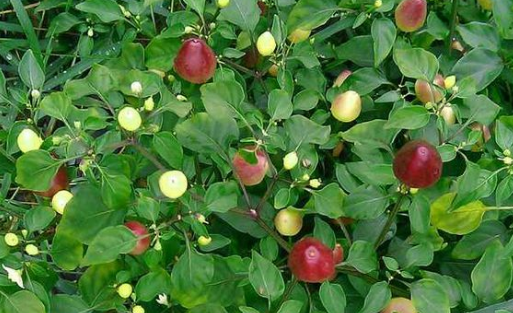
6. Harvesting
Generally, ornamental peppers grown in the open field mature in August. They can be harvested with scissors and then sold on the market, or dried to remove moisture and sun-dried into dried peppers to sell as food.
II. Points to Note When Growing Ornamental Peppers
1. The correct planting time for ornamental peppers is best from July to December, because when planted during this period there are fewer pests. However, if sowing is too late, there is also the fear that frost may stunt the tender sprouts. If they barely survive, growth will also be affected. Of course, in Guangdong and Guangxi, the temperature generally is not too low, so insulation is not needed; it is much the same all year round, as long as it does not coincide with the frost period.
2. The root system of ornamental peppers grows slowly, so the soil must be loosened before planting. After the seedlings sprout, while keeping the surface moist, also maintain a deep, loose and fertile soil environment. It is recommended to use a ring-shaped hollow pit for the planting hole. In this way, after the pepper seedlings grow out, the soil under the roots and moisture retention can play a great role.
3. During the flowering and fruiting period of ornamental peppers, manual help is needed to thin flowers and fruits. So-called thinning of flowers and fruits means pinching off excess side branch buds before flowering. While ensuring air circulation, it can also ensure the fruit's size, nutrition and space to expand, and it can also improve light conditions by using a cross fruit-setting method. Promptly remove black and yellow diseased leaves under the pepper plant to avoid breeding pests and nutrient loss.
4. After the ornamental pepper fruits stop expanding and change color, harvest them promptly. Harvesting in the morning is required. When harvesting, remove the entire fruit stalk and do not leave a stalk in the leaf axil. This is more conducive to the growth of other fruits and does not damage the pepper plant.