What are the planting methods and precautions for bowl lotus?
Bowl lotus is also called pot lotus. Because it is petite and cute and can beautify the environment, it is loved by many flower enthusiasts, who then want to grow it. So below, the editor will briefly introduce the planting methods and precautions for bowl lotus:
I. Bowl lotus planting methods
1. Planting environment
Bowl lotus is suitable for growing in a warm, humid, and sunny environment, where the temperature must not be lower than 15°C, otherwise it is unfavorable for the growth of bowl lotus. Second, the best soil environment is fertile clay rich in organic matter, and the pH value is best maintained at around 6.5.
2. Sowing time
Bowl lotus can actually be sown all year round, because bowl lotus seeds have no dormancy period throughout the year, but the temperature must be maintained above 16°C for it to work. Generally, if bowl lotus seeds are under conditions with suitable temperature and light, the time from spring sowing to flowering is about 50-60 days, and in autumn, from sowing to flowering takes about 60-80 days.
3. Seed treatment
Before sowing, bowl lotus needs seed soaking treatment, but because the outer shell of bowl lotus seeds is hard, manual breaking is needed before soaking. Specifically, first observe the bowl lotus seed: one end has a small pointed tip, and the other end has a small concave dot. Use pliers to crack the end of the bowl lotus seed with the small concave dot, or grind a small opening on rough rough cement ground, but be careful not to injure the seed embryo or remove the shell. In this way, water can seep in through the small opening, and the seed can absorb water and swell.
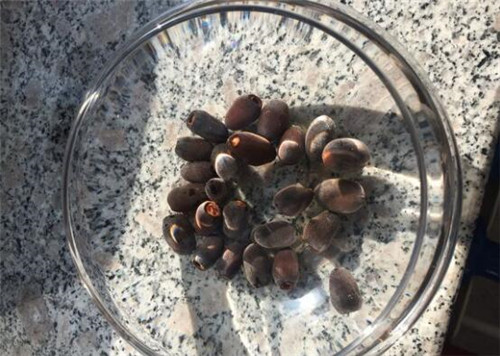
4. Seed soaking and sprouting
Place the treated bowl lotus seeds in water at about 20-40°C. The soaking container is determined according to the number of seeds, as long as it can submerge the seeds. Then place it indoors, changing the water once a day during this period. After about a week, they can sprout. After sprouting, they can be moved from indoors to outdoors and given sufficient light. During this period, they must not lack water. After about two weeks, fine roots and a few tender leaves can grow. When the root system has formed and the leaves have grown to an appropriate stage, transplanting can be carried out.
5. Transplanting seedlings
First prepare a plastic flower pot with a diameter of 45-75 cm or an unglazed pottery pot without a drainage hole. Add half a pot of river pond mud or garden soil free of chemical pollution to the pot, then add water about 14 days in advance to soak it. Note that no fertilizer is needed during this period. Then it is ready for transplanting. During transplanting, press the fine roots of the rooted bowl lotus seedlings into the mud, one plant per pot. After transplanting, add an appropriate amount of water, with the water amount suitable so that it does not submerge the bowl lotus leaves.
6. Autumn and winter management
Two to three weeks after transplanting is completed, when it grows to the vigorous growth stage, if the leaves turn yellow, topdressing should be carried out at this time. The topdressing fertilizer can be a small amount of nitrogen, potassium, and phosphorus ternary compound fertilizer, and it is best to apply thin fertilizer frequently. In addition, bowl lotus likes to grow in warm, humid, and sunny places, so do not place it in a shady place. When the outdoor temperature is below 16°C, it will hinder the growth of bowl lotus. At this time, it should be moved into a shed with sunlight.
II. Precautions for planting bowl lotus
1. When choosing a container for planting bowl lotus, note that it should be appropriately larger, because if the container used is too small or too shallow, it cannot hold much nutrient soil, the growth of bowl lotus cannot get sufficient nutrients, and the root system cannot spread well. In this way, the planted bowl lotus will not grow well, and planting bowl lotus will be meaningless.
2. Because the growth environment of bowl lotus cannot do without sufficient sunlight, note that it cannot always be placed in a shady place or indoors where it cannot see light, otherwise it will affect the growth of bowl lotus. Therefore, in order to make bowl lotus grow more vigorously, remember to often move bowl lotus to a sunny place outdoors.
3. During the process of planting bowl lotus, sufficient fertilizer should be ensured. Insufficient fertilizer can easily cause slow growth of roots and leaves. Therefore, in addition to appropriate fertilization when planting, topdressing is also needed, but topdressing should also depend on the size of the flower pot. If the flower pot is small and too much fertilizer is applied, it will cause bowl lotus not to bloom or even burn to death.
4. During the growth period of bowl lotus, its leaves will become denser and denser. At this time, because the leaves will compete for the nutrients of the bowl lotus and affect its growth, some leaves should be properly removed at this time. This can also help the plant breathe and bloom.
5. In order to prevent bowl lotus from being harmed by pests and diseases, during the period of planting bowl lotus, the water quality should be kept clean and the plant's air permeability should be maintained. When pests and diseases are found, deal with them in time and cut off the leaves affected by pests and diseases to block the source of infection.
Summary: The above is the relevant introduction to the planting methods and precautions for bowl lotus. I hope it is helpful to friends in need.