How to Grow Jasmine? A Detailed Explanation of Six Key Cultivation Methods
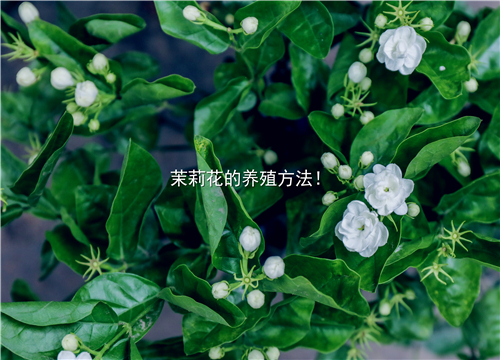
Many people have heard of jasmine, but few have seen it in person. Whenever jasmine is mentioned, it reminds me of a lyric: "What a beautiful jasmine flower." It usually blooms from May to August each year, and the flowers are white. As soon as jasmine blooms, its fragrance fills the whole garden, so many people like to grow jasmine in pots at home. Today we will use six key points to explain how to grow potted jasmine!
1. Jasmine Cultivation Methods: Environmental Requirements
(1) Temperature control: The suitable growing temperature for jasmine is between 25-35 degrees. Pay special attention to controlling the temperature well in winter and summer. When the summer weather exceeds 35 degrees, you must shade it. In winter, you need to take antifreeze measures, and the most common one is to paint it with white paint.
(2) Light requirements: Jasmine is a plant that loves sunlight. When growing it in a pot, it is best to place it in a sunny spot so it can grow healthily. Especially when it is blooming, placing it in the sun can make the flowers fuller.
(3) Soil selection: The soil requirements for growing jasmine in pots are particularly high because it is relatively sensitive. It is best to use soil made by mixing leaf mold and garden soil, as this is the best for growing it. This way, the base fertilizer is also sufficient, allowing it to absorb some nutrients during its growth.
In short: The environmental requirements for jasmine cultivation methods are strong light, long sunshine hours, and high temperature.
2. Jasmine Cultivation Methods: Fertilizer and Water Management
(1) Fertilization tips: Jasmine likes fertilizer relatively much, so it needs to be fertilized in the early spring season. The fertilizer should best be mainly phosphorus fertilizer, with less nitrogen fertilizer. Applying too much nitrogen fertilizer will lead to a situation where it only grows leaves and does not bloom.
(2) Watering tips: In summer, because the temperature is relatively high, jasmine needs to be watered once a day, and the watering should be set at 7-8 a.m. If you see the leaves turning yellow, that means you have watered too much, and you need to appropriately reduce the amount of watering. In spring, autumn, and winter, watering once every 3-5 days is enough; there is no need to water as frequently as in summer.
3. Jasmine Cultivation Methods: Propagation
The main propagation method for jasmine is hardwood cutting. Generally, propagation is carried out in March, as this gives a slightly higher survival rate. When propagating jasmine by cuttings, you must use them right after cutting and must not store them for too long, otherwise they will lose water and be difficult to keep alive. Twenty days after the cuttings are completed, you can sprinkle water on the newly grown leaves. After the young seedlings grow out, they can be transplanted into pots.
4. Jasmine Cultivation Methods: Pruning
Pruning the branches and leaves and spent flowers of jasmine is an important part of ensuring normal growth and extending the flowering period. Cutting off spent flowers can reduce nutrient consumption and prepare for the next wave of blooms. Cutting off branches and leaves provides nutrients to the main root so it can grow luxuriantly, and it also gives new branches a chance to grow.
5. Jasmine Cultivation Methods: Repotting and Changing Soil
In the process of growing jasmine, repotting and changing the soil is the most important. If you do not change the pot and soil for three years, the jasmine will grow less and less. This is because of insufficient nutrients. Too much watering can cause the potting soil to clump and become nutrient-poor, and it also cannot provide nutrients to the jasmine. Therefore, it is best to change the pot and soil once a year, and March is the most suitable time to do so.
6. Jasmine Cultivation Methods: Pest and Disease Control
When growing jasmine, it is inevitable that it will be disturbed by pests and diseases. The most common pests are scale insects and red spider mites. You can buy specialized pesticides online to kill these two pests and spray them on the plant. The main diseases include root rot, southern blight, and branch blight. You can use lime powder from home and sprinkle it beside the potting soil to treat them.
Summary: The above is a compilation of the 6 key points of jasmine cultivation methods, hoping to help all flower lovers. This article is compiled from the internet.