How much does a pot of hydrangea (Hydrangea macrophylla) cost, and how do you grow it?
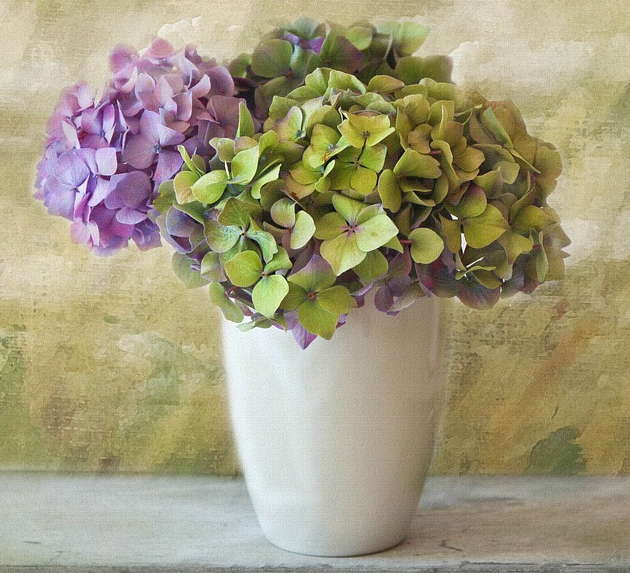
Hydrangea is also known as "Eight Immortals flower" and is a famous ornamental plant of the Yangtze River basin. Its flower form is full and beautiful, and its flower color can be red or blue, giving it extremely high ornamental value. In daily life, many people who love flowers and plants are especially fond of hydrangeas and want to grow them, but they do not know how. So how much does a pot of hydrangea cost? How do you grow it?
1. How much does a pot of hydrangea cost?
Many people think that because hydrangea is full and beautiful and is a famous ornamental plant of the Yangtze River basin, its price must also be very expensive. But in fact, hydrangeas are relatively cheap on the market. Generally, a hydrangea costs only 4-5 yuan per plant, and potted hydrangeas are also very cheap, about ten-plus yuan per pot, while even the better ones cost only a few dozen yuan. Hydrangeas are generally planted in gardens in sparse shade, beside tree-lined paths, or planted in masses on shady slopes. At present, parks and scenic areas plant hydrangeas in masses as landscape plants, and in home cultivation they are commonly grown in pots.
2. How do you grow hydrangea?
1. Soil
Hydrangea is suited to growing in loose, fertile, well-drained sandy loam. In addition, soil pH is one of the factors affecting changes in hydrangea flower color. If you want to deepen the blue color, you can apply aluminum sulfate during the bud formation period. If you want to grow pink flowers, you can apply lime to the soil.
2. Watering
When growing hydrangea, the potting soil needs to stay moist, but watering must not be excessive. Especially in the rainy season, to prevent waterlogging from causing root rot, attention must be paid to drainage. In winter it is better to keep it slightly dry, because if it is too moist the leaves rot easily.
3. Light
Unlike other plants, hydrangea is a short-day plant, so in addition to avoiding direct blazing sun, maintaining 60-70% shade is best. In midsummer, when the light is too strong, appropriate shading can extend the flowering period.
4. Temperature
The most suitable temperature for hydrangea growth is 18-28°C. In winter the temperature must not be lower than 5°C. During flower bud differentiation, a temperature of 5-7°C must be maintained for 6-8 weeks. The suitable temperature for promoting flowering is 20°C, and after flowers appear, a temperature of 16°C can extend the flowering period. Note that too high a temperature will make the flowers fade quickly.
5. Fertilizing
Fertilizing during the hydrangea growth period plays a vital role in promoting its growth. Generally, fertilizing is done about once every 15 days, and the fertilizer should mainly be thin cake fertilizer water. To keep the potting soil consistently acidic, liquid fertilizer can be applied together with 0.2% ferrous sulfate mixed into alum fertilizer water. During the hydrangea bud stage, 1-2 applications of 0.5% superphosphate soaking liquid can be added.
6. Pruning
After hydrangea finishes flowering, the flower stems should be removed to encourage new branches. In addition, appropriate pruning can maintain a graceful plant shape. The pruning time is March in early spring. Keep 3-5 strong main branches and cut them back, remove diseased and dead branches and weak slender branches from the base, and leave 2-3 buds on each branch.
7. Pests
During the hydrangea growth period, it is prone to pests and diseases. Generally, the main diseases of hydrangea include wilt disease, leaf spot disease, and powdery mildew. For control, 65% zineb wettable powder at 600 times dilution can be sprayed. The main pests of hydrangea include aphids and mirid bugs. For control, 40% omethoate emulsifiable concentrate at 1500 times dilution can be sprayed to kill them.
8. Repotting
To promote hydrangea growth, generally the pot and soil should be changed once a year. When repotting, also cut off the hydrangea's rotten roots, decayed roots, and overly long root fibers. After the hydrangea is placed in the new pot, firm the soil and water it thoroughly, then place it in a shaded spot for about 10 days, and finally move it outdoors for normal care.
Summary: The above is the relevant introduction to the price of hydrangea and its cultivation methods. I hope it is helpful to friends who need it!