Is the begonia flower toxic? The correct way to grow the "Flower Concubine"
Because of its rich colors and beautiful, delicate blooms, the begonia flower has extremely high ornamental value, which is why it also enjoys the reputation of “Flower Concubine.” It is loved by many gardening enthusiasts, but those who want to grow it are also somewhat worried because rumor has it that it is toxic. So is the begonia flower really toxic? How do you grow it?
I. Is the begonia flower toxic?
According to research, the begonia flower is indeed toxic, but only mildly so. Its toxicity is concentrated in the stem sap, roots, leaves, and flowers. As long as it is not eaten, the human body cannot take in the toxin, and it will not cause harm to the human body. Therefore, generally speaking, there is no problem with growing begonia flowers at home. However, note that if there are young children or elderly people in the home, to avoid them touching it and putting it in their mouths, it is still best to place it somewhere they cannot easily reach. In particular, begonia should preferably be moved outside at night. In the event of poisoning, it can cause symptoms such as vomiting, itchy skin, diarrhea, sore and swollen throat, and even difficulty breathing. In fact, many flowers grown in homes contain mild toxins. As long as attention is paid to things like air circulation during cultivation, there generally will not be very serious consequences, so there is no need to worry too much. If you are really worried, you can also consult someone in advance before growing it.
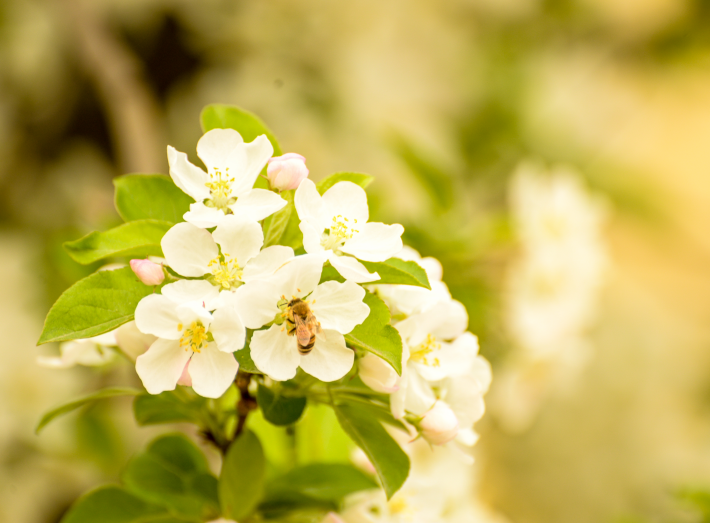
II. How do you grow the begonia flower?
1. Soil selection
The rhizome part of the begonia flower is relatively tender and fragile, so before growing it, the soil requirements are relatively high. When choosing soil, be sure to select a loose, fertile, and well-drained soil as the growing medium, because if the soil is too clayey or too hard, it will affect its growth and hinder root development. Of course, if conditions allow, you can also mix your own growing medium. To mix the soil, use leaf mold and river sand in a 7:3 ratio, stir them together, then add an appropriate amount of cake fertilizer and mix well.
2. Watering method
The begonia flower has strong drought tolerance but cannot tolerate waterlogging, so during cultivation, watering only needs to keep the soil moist. However, be careful not to make it too wet, to avoid water accumulation. Secondly, it must not be too dry either. If the soil is too dry, the plant's root absorption capacity will weaken, causing the leaves to dehydrate, turn yellow, or wither, and in severe cases may even cause the plant to die. As for watering frequency, in spring it is generally once every 3-5 days; in summer, because temperatures are higher and water evaporates quickly, the watering frequency needs to be once every 1-2 days; in autumn, the watering frequency is once every 4-6 days; and in winter, due to low temperatures, little evaporation, and low plant activity, the watering frequency is generally once every 15-20 days.
3. Fertilizing method
If you want the begonia flower to have vivid colors and grow quickly, fertilizing is one of the indispensable steps. In addition to fertilizing when mixing the nutrient soil, you should also apply a top dressing once every year after it blooms. When fertilizing, each time open a furrow beside the plant, apply decomposed organic fertilizer, then cover with soil and water so it can slowly absorb it. This can provide what it needs for growth. In autumn, the organic fertilizer used for top dressing should mainly be phosphorus and potassium fertilizer. This can not only meet its nutrient needs for growth but also promote flower bud differentiation.
4. Light and temperature
The begonia flower blooms in spring. Under normal circumstances, it can bloom only once a year, but if light and temperature are managed properly, it can bloom once more in autumn. The specific method of light and temperature management is to cool it down and shade it. When temperatures are high and there is a lot of rain from June to July in summer, the begonia flower can be moved to a cool, rain-sheltered place to lower the temperature. Of course, you can also set up sunshade and rain-shelter facilities and reduce the amount of watering, which can also control the plant's vegetative growth. After that, the amount of watering can be gradually reduced until the begonia flower's leaves wither and fall off and it enters dormancy, after which a small amount of watering can be given to maintain what it needs for growth. After the dormancy period has passed, place it under sufficient light conditions and water and fertilize it, so that the begonia flower's flower buds can sprout and it can bloom again.
Summary: The above is the relevant introduction on whether the begonia flower is toxic and how to grow it. I hope it is helpful to friends who need it!