Is water lotus (lotus) easy to grow? Detailed cultivation methods explained
Water lotus is also called lotus, and lotus and lotus refer to the same plant, now mostly called lotus. Lotus also has two other names, handan and furong. Handan refers to the flower of the lotus, the unopened flower, while the fully bloomed one is called “furong.” What we call water lotus is the common lotus. So, is water lotus (lotus) easy to grow? What are the specific cultivation methods?
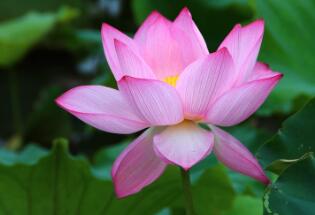
I. Is water lotus (lotus) easy to grow? What are the specific cultivation methods?
1. Water management
Water lotus is an aquatic plant and cannot do without water throughout its entire growing period. Summer is the peak growth period for water lotus, and its demand for water is also greatest, so throughout the summer you must make sure the tub or pot does not dry out. During the plum rain season, rainfall is relatively concentrated, and the water level for pond-planted water lotus must not submerge the standing leaves. Pay attention to timely drainage to avoid the lotus suffering a catastrophe.
2. Fertilizer management
Water lotus likes fertilizer, but too much fertilizer will burn the seedlings, so apply thin fertilizer frequently. Summer is the flowering period for water lotus, and its demand for fertilizer is greater than at the seedling stage. If after the flower buds emerge the lotus leaves are yellow and thin with no disease spots, it indicates a lack of fertilizer, and phosphorus and potassium fertilizer should be added promptly. After that, fertilizer can be applied once every 15 to 20 days (cake fertilizer or compound fertilizer are both fine). For water lotus grown in tubs or pots, depending on the size of the tub or pot, insert the fertilizer into the mud in the center of the tub or pot and let it release slowly.
3. Light management
Water lotus is a long-day plant, and the cultivation site should have sufficient light. For potted water lotus, the spacing between plants and rows should be appropriate; if too crowded, the plants will be thinner and taller with fewer standing leaves. When cultivating water lotus at home in containers such as tubs, pots, or bowls, the water lotus should be placed in a spot with sufficient light or moved outdoors every day to receive light. After water lotus buds appear, daily light exposure must be no less than 6 hours, otherwise the plant will show yellowing leaves, withered flower buds, and similar problems.
4. Pest and disease control
Black spot disease
In the early stage, irregular brown spots appear on the leaf surface, with slight concentric rings. Later, black mold-like growth appears on the spots, and several spots often join together to form large patches. In severe cases, the entire plant dies. Control method: in the early stage of the disease, promptly spray 50% carbendazim or 75% chlorothalonil at 500 to 800 times dilution for control.
Rot disease
In the early stage, bluish wilt-colored patches appear on the leaf margins, later joining into sheets and spreading inward, and finally the entire leaf turns brown. After the lotus rhizome is affected, the central part turns brown and gradually necroses longitudinally toward the rhizome nodes and the water lotus stem. Control method: in the early stage of the disease, spray 50% carbendazim at 500 to 600 times dilution for control.
Spodoptera litura
Newly hatched larvae gather on the underside of leaves and chew the leaf flesh, leaving the epidermis and veins, so the damaged leaves look like window screens and appear grayish white. After the larvae grow a little larger, they disperse to feed, biting notches in the leaves and also feeding on flower buds and flowers. Damage is most severe from June to October each year. Control method: promptly pick off and destroy infested leaves, and when the larvae are gathered and causing damage, spray methamidophos at 1000 times dilution in the evening for control.
Aphids
Aphids have strong adaptability to climate and are widely distributed. They mainly pierce and suck the stems and leaves of the plant, especially the young tender parts. Aphids have strong reproductive capacity and adaptability, and their population is huge, so it is very difficult for any method to achieve complete eradication. It is necessary to regularly spray 80% dichlorvos emulsifiable concentrate diluted 500 to 1000 times.
II. Is water lotus suitable for growing indoors?
In hotel lobbies and family living rooms, why can foliage plants such as broadleaf lady palm, fishtail palm, lucky bamboo, and lilyturf be displayed, yet water lotus cannot be grown well?
Because these plants are very shade-tolerant or relatively shade-tolerant and can grow normally under scattered light, while water lotus is the most light-loving long-day plant. Without more than 6 hours of direct light within a day, its growth and development will be poor: at first the leaves lose greenness and turn yellow, then the flower buds wither back, until the whole plant wilts. Therefore, when cultivating water lotus, it should be placed in an open area under full light or on a balcony. Moving it indoors for appreciation for one or two days is fine, but on the third day it must be moved to outdoor sunlight for care.