How much is a jin of lotus seeds? Detailed explanation of water lily planting methods
Lotus, also known as “water lily”, has always been a very popular flowering plant. It not only has extremely high ornamental value, but its fruit and lotus root are also edible, giving it good economic benefits and attracting many people to grow it. So how much is a jin of lotus seeds? How do you grow it?
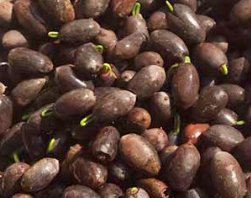
1. How much is a jin of lotus seeds?
The price of lotus seeds varies. Because of differences in seed quality, place of origin, variety and market, the price differences are also relatively large, but under normal circumstances the market price is about 20-30 yuan/jin. Before using lotus seeds for seedling cultivation, the shell must first be broken. At 5-6 months, the sunken end of the seed should be rubbed open on a rough stone or concrete surface for soaking and seedling cultivation. During seedling cultivation, the water needs to be kept clear and changed frequently. After about 7 days, sprouts can appear, and after 14 days roots can form and it can be transplanted. Under normal circumstances, it can bloom in the same year, but the amount of blooming is not large.
2. How do you grow lotus?
1. Planting environment
Lotus is an aquatic plant and does not have high requirements for water quality, as long as it is not seriously polluted. For example, a pond can be chosen for planting, but it requires slow water flow, a stable water level, and a water depth of about 1-1.5 m. The bottom of the pond requires deep soil layers. In addition, lotus needs to maintain more than 10 hours of light every day. Before planting, all fish and shrimp in the pond should be removed to prevent the lotus from being eaten by fish and shrimp, and protective measures should be taken to prevent fish from entering.
2. Sowing
Because the outer shell of lotus seeds is relatively hard, the shell must first be damaged during planting so that they can sprout smoothly. Generally, scissors can be used to cut a small hole in the shell, then the seeds are placed in clean water to soak for about 14 days so they fully absorb water. After sprouting and growing leaves, sow them. When soaking the seeds, be careful to change the water every day to prevent water quality deterioration from affecting seed germination. Before sowing, first drain the pond water and expose it to the sun for several days, so that the bottom soil is in a slightly dry state, then bury the seeds and maintain light.
3. Fertilizer and water management
Lotus has different water requirements at each stage. Generally, shallow water is needed in the early growth stage, deep water in the middle growth stage, and less water in the late growth stage, and the water level should be controlled within 1.5 m. If you want lotus to grow quickly, fertilization is very important. Before planting, sufficient base fertilizer can be applied. The base fertilizer is generally applied at about 3000 kg per mu, mainly organic fertilizer with an appropriate amount of phosphorus and potassium fertilizer. For topdressing, light application is needed at the seedling stage, heavy application is required during the flower bud formation stage, and frequent application is required during the flowering and fruiting stage. At the seedling stage, 30 kg of phosphorus and potassium fertilizer and 10 kg of nitrogen fertilizer can be applied per mu. During the flower bud stage, it should be increased by one or two times based on the seedling stage according to the plant's growth condition. During the flowering and fruiting stage, topdressing is generally applied once every 20 days, which can improve the seed-setting rate.
4. Field management
In order to avoid lotus death affecting yield, when planting lotus you need to pay attention to changes in water quality and bottom sediment. Once water quality or bottom sediment is found to have deteriorated, deal with it promptly. In addition, during the planting period, weeds should also be removed promptly to avoid hindering lotus growth. Spray herbicide once a month to inhibit weed growth. In addition, also promptly remove aquatic plants such as algae and water moss from the water surface. When lotus grows 3-5 standing leaves, remember to plow in time, once every half month, for three or four consecutive times until the rhizomes fill the pond.
Summary: The above is the relevant introduction to lotus seed prices and planting methods. I hope it is helpful to friends in need!