How to grow pothos? Do these 4 things well and it will easily fill its pot
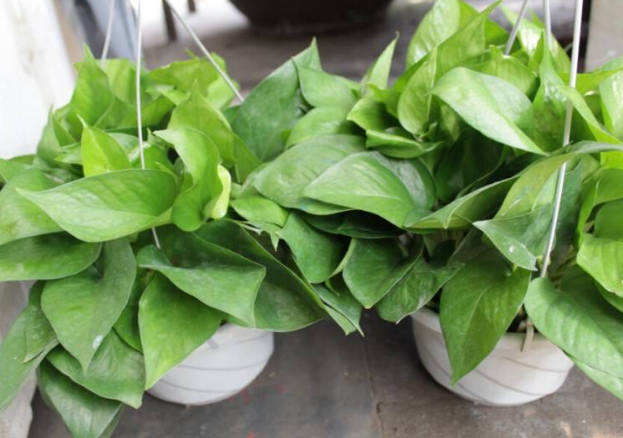
Pothos is one of the most popular green plants on the market. Whether at home or in the office, everyone likes to keep a pot of it. Pothos is very easy to care for in daily life and has strong vitality; basically, it can survive as long as there is water. But if you want it to thrive, it still needs careful attention. Below is an introduction to how to care for the "flower of life," pothos. Do these 4 things well and it will easily fill its pot!
1. Suitable light
The original growing environment of pothos in the wild is relatively favorable. Pothos originally lived at the base of towering trees in tropical and subtropical rainforest regions, where the soil is fertile and moisture is abundant. The fierce sun is blocked by the large trees, so it does not have to endure scorching sunlight, and scattered bits of sunlight still shine through, enough to meet the growth needs of pothos.
Therefore, pothos kept at home is best placed in a spot with ample light, preferably indirect sunlight, and should avoid harsh sun exposure, otherwise the leaves are prone to drying out and scorching. Pothos is fairly shade-tolerant, but it should not be kept in a shaded indoor environment all the time. It should be moved to the balcony every now and then to get some sun for a while, otherwise the leaves are prone to turning yellow.
2. Watering and misting the leaves
The leaves of pothos are relatively large, and transpiration from the leaves normally releases a lot of moisture, so the leaf surface should be misted with water often. Misting the leaf surface more often can wash away dust on the surface, allow the leaves to carry out photosynthesis better, and also make the pothos leaves look glossy green and more attractive. In summer, when temperatures are high, transpiration is more obvious, so mist 2 or 3 times a day and water once. In autumn and winter, when temperatures drop, transpiration becomes less, so watering once a month is enough.
Pothos has a high demand for water, but the soil absolutely must not become waterlogged. This is because pothos roots are fleshy roots, and too much standing water in the soil will cause the fleshy roots of pothos to become damp, soft, and rotten. Watering too much or too little is not good for the growth of pothos, and both can be reasons for the leaves turning yellow.
3. Repotting and root pruning
Repotting is an important step that many people overlook. Many people skip this step because they find it troublesome, but this is not right. The potting soil in a pot has limited fertility. When pothos has been grown for half a year, it can be repotted, because the potting soil inside is basically out of nutrients by then. At this time, prepare new growing soil mixed with base fertilizer, remove the pothos, prune away all the bad roots and diseased roots, then plant it into the new growing soil. Finally, press the soil firm and water thoroughly once.
Not repotting will hinder the growth of pothos. When pothos has grown to a certain extent, reaching 1.5 times the size of the original pot opening, it is time to prepare for repotting. The new pot should be chosen with a diameter suitable for pothos, giving it enough room to grow. This is also a trick to make pothos grow until it fills the pot.
4. Fertilizing in measured amounts
An appropriate amount of fertilizer water can make pothos grow faster and denser. The fertilizer for pothos can be flower fertilizer bought at a flower shop, or homemade rice-washing water, eggshells, and so on. Fertilizer only needs to be applied once a month. Too much fertilizer may burn the roots and stems and have the opposite effect.