Is the Hibiscus poisonous? Seven details to note when growing it
The hibiscus, also known as the Chinese hibiscus (Hibiscus rosa-sinensis), is a common ornamental plant. Its leaves resemble mulberry leaves, and its large blooms look like peony flowers. The flowers open in the morning and fall at dusk, the blooming period is very long, and it is very easy to grow with strong adaptability and few requirements for the soil it is planted in, making it deeply loved by flower growers. The hibiscus is often planted in courtyards and indoors, where it not only adds an artistic touch but also absorbs waste gases from the air. Is the hibiscus poisonous? What are the key points of its growing method?
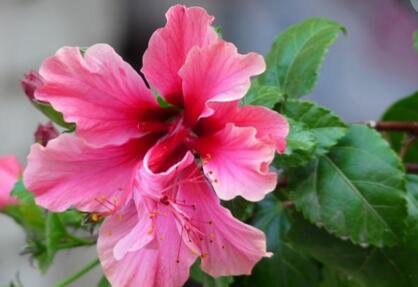
I. Is the hibiscus poisonous? Can it be kept indoors?
Indeed, the sap of many highly ornamental plants is somewhat toxic, such as the rubber plant, hydrangea, and arrowhead plant (Syngonium podophyllum). But the beautiful hibiscus is not toxic. In addition, it has certain economic and ornamental value, so we can care for it with peace of mind. Then, since its flowers are very fragrant, could they be toxic? The answer is also no; even smelling them for a long time will not harm the human body.
As for whether the hibiscus can be kept indoors, we need to look at it dialectically. Generally speaking, if the indoor temperature, light, water and fertilizer, humidity and other conditions can all be met, and you are diligent enough, it can also grow well, but it will not necessarily bloom. Of course, if you have an open-air balcony, the flowers it produces can also be very beautiful. But generally we recommend against keeping it indoors for a long time, especially in the bedroom. The bedroom not only has poor light conditions, but smelling the fragrance for a long time may also lead to poor sleep.
Here, a reminder for everyone: if you want good flowers and good growth, it is best to grow it outdoors for a long time.
II. Key points of the hibiscus growing method
1. The hibiscus has low soil requirements
Generally speaking, whatever soil other plants need, it can also use, such as fertile, well-draining, loose soil.
2. The most suitable growing temperature for the hibiscus is between 15-25°C
Generally speaking, as long as the winter temperature is not lower than 5°C and the summer temperature is not higher than 30°C, the hibiscus can grow normally. So when caring for it, we must pay attention to frost protection and sun protection.
Therefore, in winter, be sure to move it indoors before frost, and the room temperature is best above 10°C, otherwise it will enter a dormant state. In summer, you must pay attention to sun protection to avoid high temperatures scorching the leaves, and spray water in time to cool it down.
3. Watering the hibiscus
Watering should always be based on the moisture level of the potting soil. Generally, there is no need to water too much, because too much standing water can easily cause root rot. If the leaves turn yellow, pay attention, and adjust and observe in time so as not to affect the whole plant.
In winter, water according to the growth situation and room temperature; generally indoors, watering once a week is enough. In spring and autumn, you can water once every two days, depending on the potting soil. In summer, not only should you water, but you should also spray water to keep the leaves clean and increase air humidity.
4. The hibiscus must have sufficient light
As a sun-loving plant, the hibiscus needs sufficient light if it is to bloom normally, especially in the month before blooming, otherwise it can easily fail to bloom or produce small flowers. But in summer, you should still pay attention to shading at the right time; generally choose to give it sun in the morning or afternoon.
5. The hibiscus should be fertilized less after autumn
To prevent the hibiscus from sending out new shoots again in autumn, generally fertilize less in autumn, otherwise in winter these new shoots cannot withstand the cold climate. During the peak growing season, topdress appropriately, and do not make the fertilizer concentration too strong.
6. The hibiscus should be pruned at the right time
To make the hibiscus plant look better as a whole, grow better, and promote new branches, pruning is very necessary. Generally, after pruning, pay attention to reducing watering and fertilizing.
7. Pest and disease control for the hibiscus
If it is kept indoors for a long time in winter, insufficient light and poor ventilation can make it prone to infestations by scale insects, aphids and the like. So prevent and treat it in time, use the right pesticide, and improve the indoor environment.
In summary, the hibiscus is a beautiful flower that is not poisonous. If you want it to grow well and bloom well, you must pay attention to details such as temperature, light, soil, water and fertilizer, pruning, and pest and disease control.