Broccoli Sowing Time and Key Planting Techniques Explained in Detail
Broccoli, also known as cauliflower, is loved by many people. Whether stir-fried or served cold as a salad, it has a very crisp and refreshing texture. There is a saying that the darker green a vegetable is, the higher its nutritional value. Broccoli is dark green in color, and its nutritional value truly surpasses that of ordinary vegetables. In recent years, the economic benefits of broccoli cultivation have increased, so when is broccoli generally sown? What are the key planting techniques? Let us find out together.
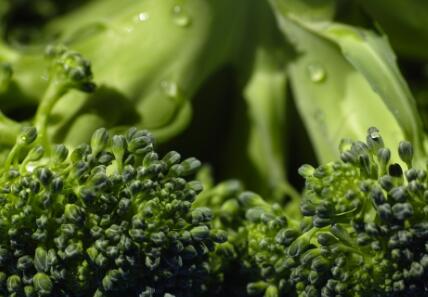
1. When is broccoli generally sown?
Broccoli is a vegetable variety with relatively high requirements for light and growing temperature, so before sowing, choosing a suitable variety is very important. Generally, early-maturing or mid-maturing varieties with strong adaptability to temperature and light and good marketability are selected for cultivation.
We generally choose to sow broccoli in autumn, so that after growing through winter, it can generally be sold on the market around the Spring Festival. If growing seedlings for transplanting, you can choose to plant in March or July. The temperature at this time is more suitable for seedling growth, and harvesting can generally be done in about three months.
However, with the development of technology, greenhouse cultivation techniques are becoming more and more mature, so broccoli can basically be eaten all year round, with only differences in price. Generally, the price is relatively cheap during the peak season, and a bit more expensive in the off-season market. Of course, this does not stop everyone from loving broccoli.
2. Key Broccoli Planting Techniques
1. Soil requirements
Broccoli is a vegetable with low soil requirements, and it can grow well in ordinary soil. However, if you want a high yield, it is generally recommended to choose soil or sandy loam rich in organic matter, with good looseness, good drainage, and a pH of around 6.
2. Light
Broccoli is a vegetable that likes sufficient light. If there is insufficient light, growth and development may be abnormal, such as sparse heads and pale color, which affects its quality and reduces its market value. Therefore, sufficient light must be provided.
3. Temperature
Broccoli has different growth temperatures at different stages. The temperature during seed germination is 15-30°C, the temperature during the growing period is 8-24°C, and the growth temperature during head formation depends on the variety: 18-24°C for early-maturing, 15-20°C for early-to-mid-maturing, 13-18°C for mid-maturing, and 5-7°C for late-maturing. Everyone must clearly understand this. Too high or too low a temperature will affect head formation, and sunburn or frost damage is unacceptable.
4. Watering
Broccoli likes moisture, especially when forming heads, when it needs a particularly large amount of water. If water is insufficient, the quality of broccoli will be seriously reduced. Of course, if there is too much water, root rot will occur. Dew and rain in summer also need attention; if the heads are accidentally exposed to them, they will rot.
5. Fertilization
In addition to the base fertilizer in the soil, broccoli needs a lot of fertilizer for growth. If there is sufficient nitrogen, phosphorus, and potassium during head development, the head quality will be relatively higher. If it remains in a state of fertilizer deficiency for a long time, the heads will crack or the leaves will turn yellow.
6. Pest and disease control
Common pests of broccoli in autumn include aphids and cabbage caterpillars, and common diseases include soft rot, downy mildew, black rot, and so on. In addition to paying attention to prevention at ordinary times, when disease occurs, targeted treatment should be applied promptly to avoid harming healthy plants.
In addition, some details need attention when harvesting broccoli. The harvest time should be earlier rather than later; if too late, it will flower or fall apart. Generally, if side heads are well maintained, continuous harvesting can be done 2-3 times.